Hypericum, Genus, spp., Multiple species,
- Genus
- Multiple species
St. John's worts
Overview
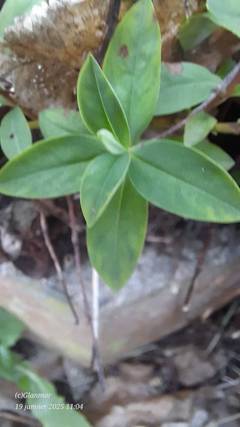
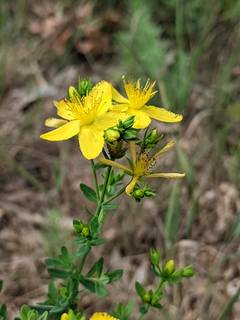
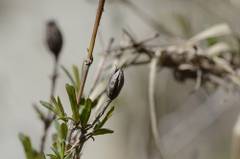
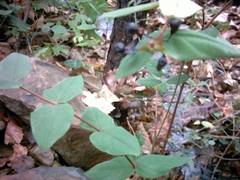
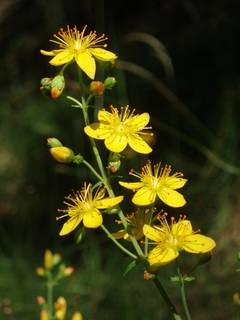
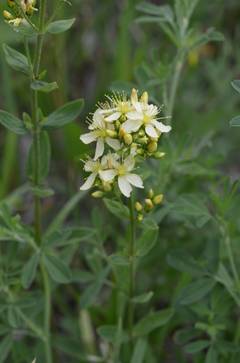
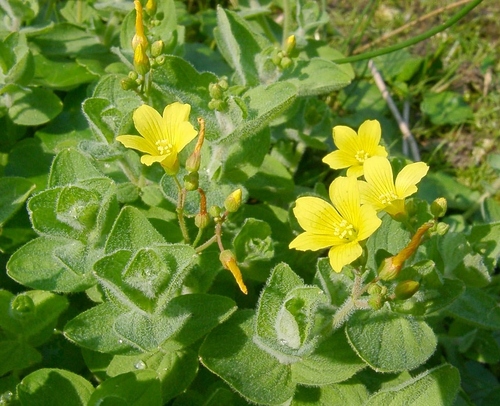
Hypericum is a genus of about 500 species of herbs, shrubs, and small trees in the family Hypericaceae, distributed across temperate and subtropical regions worldwide. Plants range from low, spreading groundcovers to upright shrubs 1–2 m (3–6.5 ft) tall. Leaves are usually opposite, simple, and stalkless, and in many species dotted with translucent or black glands that show when held to the light. The flowers are yellow, five-petaled, 1–6 cm (0.4–2.4 in) across, and centered on a dense brush of many stamens that gives the genus much of its character. Some species follow the flowers with red, pink, or black berry-like capsules. The common St. John's wort, H. perforatum, contains hypericin and related compounds and is grazed only with caution, as it causes photosensitivity in livestock that eat large amounts. Several species spread by rhizomes or self-seeding and can colonize disturbed ground. Flowering is long, often running through much of the summer, though individual flowers are short-lived.
Native Range
The genus occurs nearly worldwide in temperate and subtropical regions, absent only from the harshest deserts and polar zones. Centers of diversity lie in the Mediterranean, the mountains of Asia, and the Americas.Suggested Uses
Used as groundcover, low hedging, and filler in shrub borders and on banks, where the yellow summer flowers and tolerance of poor soil suit difficult sites. The spreading species hold soil on slopes. The toxicity of some species to grazing animals limits use in pasture and paddock edges.How to Identify
Appearance
Size & Dimensions
Height1' - 6'
Width/Spread1' - 5'
Bloom Information
Flowering runs through summer, broadly June to September, with a long succession of yellow flowers though each lasts only a day or two. Shrubby species often flower most heavily in midsummer. Some species follow the bloom with colored seed capsules that extend the display into autumn.
Detailed Descriptions
Foliage Description
greenGrowing Conditions
Sun Requirements
Requires 4-8 hours of direct sunlight daily
• Full Sun: 6+ hours of direct sunlight
• Partial Shade: 3-6 hours of direct sunlight
• Full Shade: Less than 3 hours of direct sunlight
Water & Climate
Water Needs
Drought Tolerance
Drought tolerant when established
Care & Maintenance
Care Guide
Most species grow in full sun to part shade and tolerate a wide range of soils across a pH of 5.5 to 7.5, provided drainage is reasonable. Established plants are drought-tolerant, and the shrubby species are widely planted for their toughness in poor ground. Hardiness ranges from USDA zones 4 to 9 depending on species. Some species are damaged by hard winters but resprout from the base in spring. Rust disease disfigures the foliage of certain species in humid summers. Rhizomatous groundcover species spread steadily and may need containing.Pruning
Shrubby species are cut back hard in early spring, since they flower on new wood produced that season. Groundcover species can be sheared to the ground every few years to renew tired growth. Removing spent capsules is optional and does little to extend bloom.Pruning Schedule
Prune: March
early spring
Container Growing
Suitable for container growing
Minimum container size: 3 gallons