Image 1 of 22
1 / 22
Plant Reference
Hypericum, Genus, hybrids, Species,
- Genus & species
hybrid hypericum
Garden origin — hybrid cultivars derived from crosses between European and Asian {Hypericum} species
Overview
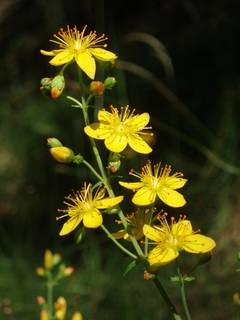
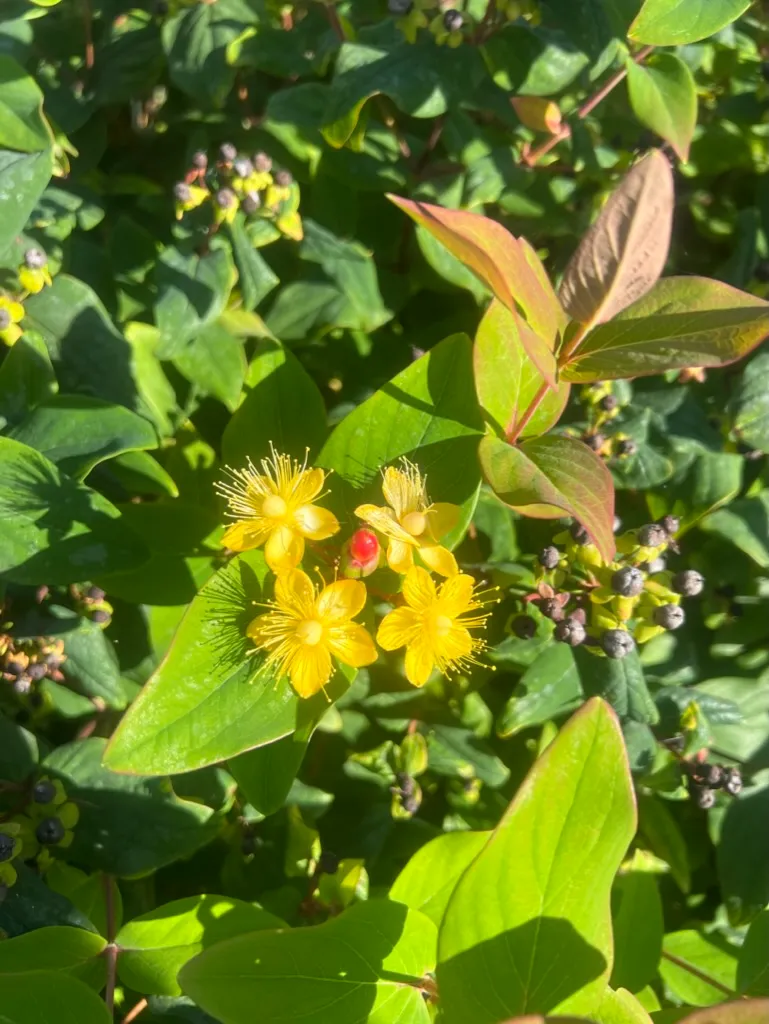
Hypericum Hybrids is hybrid hypericum (shrubby St. John's wort), a mounding semi-evergreen shrub growing 2-4 feet (60-120 cm) tall and 3-5 feet (90-150 cm) wide. Bright yellow cup-shaped flowers 1-2 inches (2.5-5 cm) in terminal cymes of 3-7 from June through August (6 weeks). Persistent ornamental berries in cream, pink, red, or burgundy (cultivar-dependent) from late summer through winter. Medium green to blue-green foliage with purplish cold-weather tints. In Hypericaceae. Garden-origin hybrids bred primarily for colorful berry display — widely used in the cut-flower industry. Common series: Magical and FloralBerry. Flowers and berries develop on current-season growth — prune hard in late winter (February-March) to 6-12 inches (15-30 cm). The berries are the primary ornamental feature, not the flowers. Contains hypericin — toxic to pets (photosensitization). Drought-tolerant once established. Deer-resistant. Zones 5-9. Full sun to partial shade. Growth rate is moderate to fast.
Native Range
Garden origin — hybrid cultivars derived from crosses between European and Asian Hypericum species.Suggested Uses
Grown in mixed borders, cut-flower gardens, and in containers of at least 5 gallons (19 L), spaced 3-5 feet (90-150 cm). Colorful persistent berries. Cut-flower berry stems. Toxic to pets. Zones 5-9.How to Identify
Appearance
Size & Dimensions
Height2' - 4'
Width/Spread3' - 5'
Colors
Bloom Information
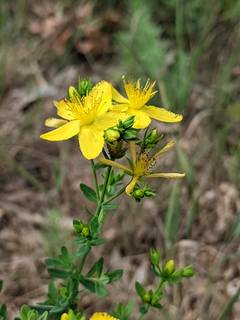
Summer (June-August). Bright yellow cup-shaped flowers 1-2 inches (2.5-5 cm) in terminal cymes. 6 weeks. Bee- and butterfly-visited. Colorful persistent berries follow from late summer through winter.
Detailed Descriptions
Flower Description
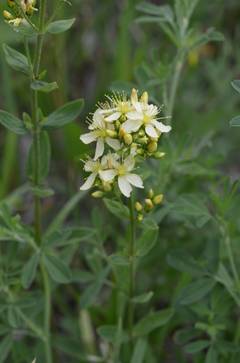
Bright yellow, 5-petaled, 1-2 inches (2.5-5 cm), cup-shaped, with prominent yellow stamen boss; in terminal cymes of 3-7; June-August; followed by persistent ornamental berries in cream, pink, red, or burgundy (berry color varies by cultivar) from late summer through winterFoliage Description
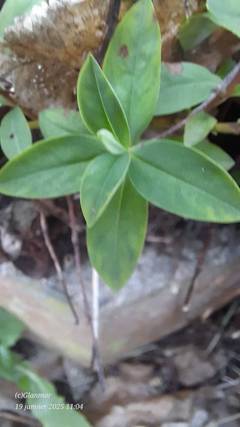
Medium green to blue-green, ovate to oblong, 1-3 inches (2.5-7 cm); semi-evergreen — purplish tints in cold weather; retained in mild winters, deciduous in zones 5-6Growing Conditions
Sun Requirements
Requires 4-8 hours of direct sunlight daily
• Full Sun: 6+ hours of direct sunlight
• Partial Shade: 3-6 hours of direct sunlight
• Full Shade: Less than 3 hours of direct sunlight
Care & Maintenance
Care Guide
Full sun to partial shade (4-8 hours). Well-drained soil pH 5.5-7.0. Drought-tolerant once established. Prune hard in late winter (February-March) — flowers and berries on current-season growth. Do not deadhead (berries are the display). Toxic to pets (hypericin). Deer-resistant. Zones 5-9.Pruning
Prune hard in late winter (February-March) — cut all stems to 6-12 inches (15-30 cm). Flowers and berries develop on current-season growth. This annual hard prune maintains a compact habit and maximizes berry production.Pruning Schedule
Prune: February–March
late winterearly spring
Container Growing
Suitable for container growing
Minimum container size: 5 gallons