Image 1 of 6
1 / 6
Plant Reference
Hypericum, Genus, calycinum, Species,
- Genus & species
St. John's wort
Southeastern Europe and southwestern Asia — Bulgaria, Turkey, and the Republic of Georgia; forest edges, rocky slopes, and disturbed sites
Overview
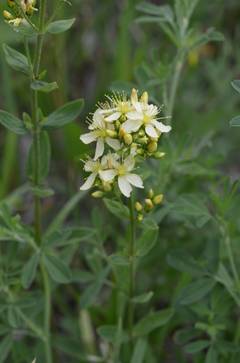
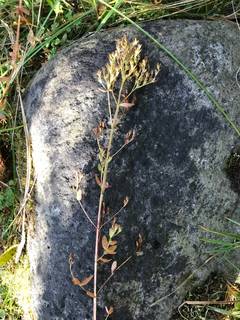
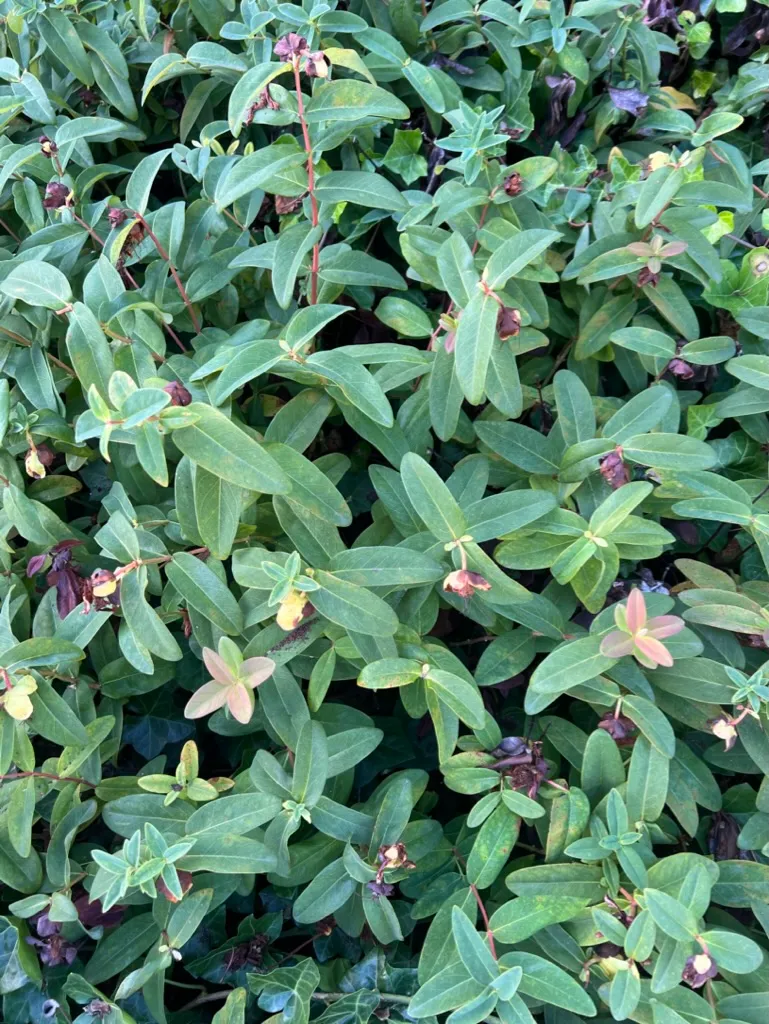
Hypericum calycinum is creeping St. John's wort (Aaron's beard), a spreading semi-evergreen shrub growing 12-18 inches (30-45 cm) tall and 24-48 inches (60-120 cm) wide per plant. Bright yellow 5-petaled flowers 3-4 inches (7-10 cm) with a prominent central stamen boss, solitary at branch tips, from June through September (12 weeks). Blue-green oblong leaves 2-4 inches (5-10 cm); purplish-red winter tones. In Hypericaceae. Calycinum = with a large calyx. Spreads aggressively by underground stolons to form a dense weed-suppressing mat. This aggressive spread is the primary management limitation — invades adjacent beds if not contained. Tolerates deep shade, drought, poor soil, clay, chalk, and salt spray. Native to southeastern Europe and southwestern Asia. Mow or shear to 3-4 inches (7-10 cm) in early spring for fresh dense growth. Contains hypericin — toxic to pets (photosensitization). Deer-resistant. Zones 5-9. Part sun to full shade. Growth rate is fast (via stolons).
Native Range
Native to southeastern Europe and southwestern Asia — Bulgaria, Turkey, and the Republic of Georgia. Found on forest edges, rocky slopes, and disturbed sites.Suggested Uses
Grown as a ground cover on slopes, under trees, in dry shade, and in difficult sites where other plants fail, spaced 24-48 inches (60-120 cm). Aggressive spreader. Shade-tolerant. Drought-tolerant. Toxic to pets. Zones 5-9.How to Identify
Appearance
Size & Dimensions
Height1' - 1'6"
Width/Spread2' - 4'
Colors
Bloom Information
Detailed Descriptions
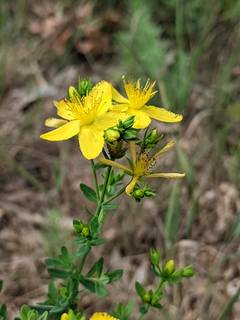
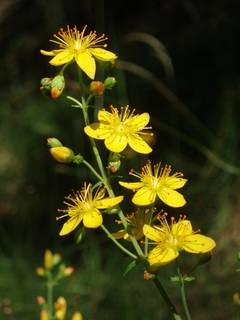
Flower Description
Bright yellow, 5-petaled, 3-4 inches (7-10 cm) — among the largest flowers of any Hypericum species; with a prominent central boss of yellow stamens; solitary at branch tips; June-SeptemberFoliage Description
Blue-green above, paler beneath, oblong, 2-4 inches (5-10 cm); develops purplish-red tones in cold weather; semi-evergreen — retained in mild winters, deciduous in zone 5Growing Conditions
Sun Requirements
Requires 2-8 hours of direct sunlight daily
• Full Sun: 6+ hours of direct sunlight
• Partial Shade: 3-6 hours of direct sunlight
• Full Shade: Less than 3 hours of direct sunlight
Care & Maintenance
Care Guide
Part sun to full shade (2-8 hours). Tolerates clay, chalk, sand, poor soil, drought, and salt spray. Mow or shear to 3-4 inches (7-10 cm) in early spring (February-March). Spreads aggressively by stolons — contain or allow to naturalize. Toxic to pets (hypericin). Deer-resistant. Zones 5-9.Pruning
Mow or shear the entire planting to 3-4 inches (7-10 cm) in early spring (February-March) before new growth. This encourages fresh dense growth and heavier flowering. Edge plantings to contain stoloniferous spread.Pruning Schedule
Prune: February–March
early spring