Hypericum, Genus, perforatum, Species,
- Genus & species
common St. johnswort
Europe, western Asia, and northern Africa; dry grasslands, roadsides, and disturbed ground from sea level to approximately 7,000 feet (2,100 m).
Overview
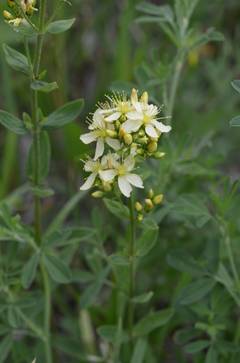
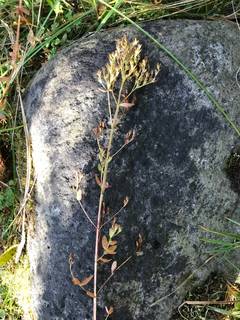
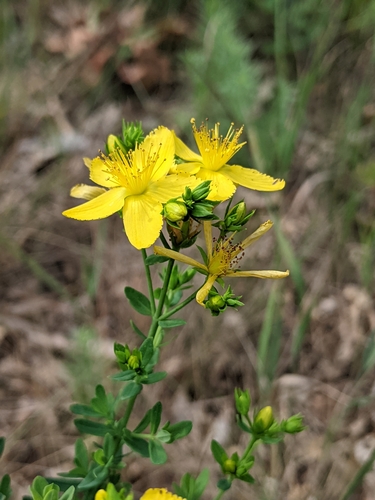
Hypericum perforatum is a rhizomatous semi-woody perennial reaching 12-36 inches (30-90 cm) tall and 12-24 inches (30-60 cm) wide, spreading by lateral root buds and short rhizomes to form expanding colonies. Stems are erect, branching, with two raised ridges running along the length (a key identification feature). Leaves are opposite, sessile, oblong to elliptic, 0.5-1.2 inches (12-30 mm) long, with tiny translucent glandular dots scattered across the blade that are visible when the leaf is held against the light — the perforations that give the species its name. Black glandular dots also occur on leaf margins and on the edges of the petals. Five-petaled bright yellow flowers 0.6-1 inch (15-25 mm) across with numerous prominent stamens open from June through August in terminal cymes, and crushing yellow petals between the fingers produces a reddish-purple stain from the pigment hypericin. A single plant produces 15,000-30,000 seeds annually, and seeds remain viable in soil for 10+ years. All parts of the plant contain hypericin and pseudohypericin, photosensitizing compounds that cause severe photosensitization in light-pigmented livestock on ingestion, leading to skin lesions, weight loss, and death in severe cases. The species is listed as a noxious weed in most western U.S. states, where it has naturalized across rangeland, roadsides, and forest clearings. Hardy in USDA zones 3-9 (-40°F / -40°C).
Native Range
Hypericum perforatum is native to Europe, western Asia, and northern Africa, where it grows in dry grasslands, roadsides, and disturbed ground from sea level to approximately 7,000 feet (2,100 m). Introduced to North America in the 17th century as a medicinal herb, the species has naturalized across the United States and Canada, particularly in the Pacific Northwest, where it has spread into rangeland, roadsides, and forest clearings.Suggested Uses
The species is used in biological control education as a case study in the introduction of Chrysolina leaf beetles as biological control agents against western rangeland weeds, and is cited widely in integrated pest management curricula. The species is studied in photosensitization toxicology and in plant secondary chemistry (hypericin, pseudohypericin, hyperforin). Standardized extracts of hypericin are used in herbal medicine for mild to moderate depression, and pharmacology courses cover the cytochrome P450 induction that drives clinically significant drug interactions between St. Johnswort preparations and a number of prescription medications. The species is not grown ornamentally because of its noxious weed classification in most western U.S. states and its photosensitization risk to light-pigmented livestock.How to Identify
Appearance
Size & Dimensions
Height1' - 3'
Width/Spread1' - 2'
Bloom Information
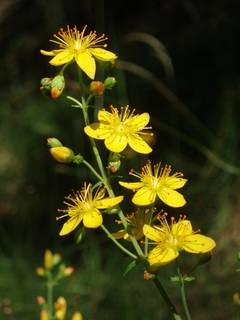
Five-petaled bright yellow flowers 0.6-1 inch (15-25 mm) across with numerous prominent stamens open from June through August in terminal cymes, with individual flowers lasting 2-3 days and terminal cymes in color for 3-5 weeks. In the Pacific Northwest, peak bloom runs through late June and July, coinciding with the traditional feast of St. John on June 24, the source of the common name. Seeds mature by August through September. Flowers are both self-pollinating and insect-pollinated.
Detailed Descriptions
Flower Description
Bright yellow; five-petaled flowers 0.6-1 inch (15-25 mm) across with numerous prominent stamens in terminal cymes; petal margins bear black glandular dots, and crushing yellow petals between the fingers produces a reddish-purple stain from the pigment hypericinFoliage Description
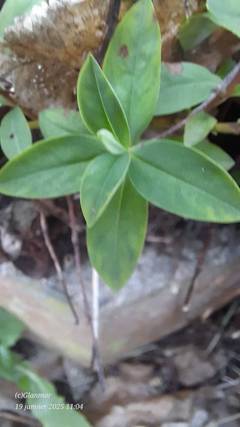
Medium green; oblong to elliptic, opposite, sessile, 0.5-1.2 inches (12-30 mm) long; tiny translucent glandular dots scattered across the blade are visible when the leaf is held against the light (the perforations for which the species is named); black glandular dots occur along the leaf marginsGrowing Conditions
Sun Requirements
Requires 6-10 hours of direct sunlight daily
• Full Sun: 6+ hours of direct sunlight
• Partial Shade: 3-6 hours of direct sunlight
• Full Shade: Less than 3 hours of direct sunlight