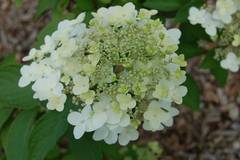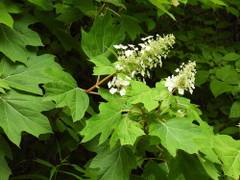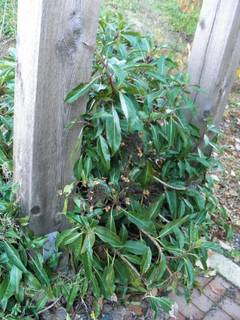
Image 1 of 14
1 / 14
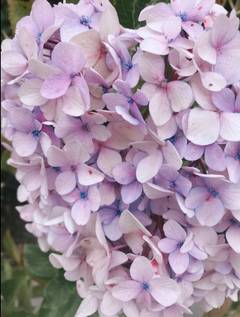
Species photo — your cultivar may vary
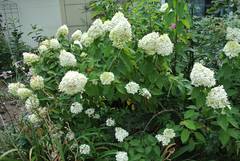
© magabyrd, some rights reserved (CC-BY-NC) · iNaturalist
Hydrangea, Genus, macrophylla, Species, 'Penny Mac', Cultivar,
- Genus & species
- Cultivar
Penny Mac Hydrangea
Japan; discovered Atlanta, Georgia; named for Penny McHenry, founder American Hydrangea Society
Overview
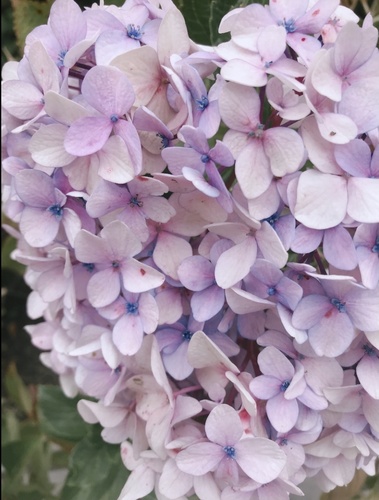
Hydrangea macrophylla 'Penny Mac' is a rounded deciduous shrub reaching 4–6 feet (1.2–1.8 m) tall with a spread of 4–6 feet (1.2–1.8 m). The cultivar is distinguished by blooming on both old and new wood—a trait rare among H. macrophylla cultivars, which typically carry flower buds only on the previous year's growth. The dual-wood flowering means 'Penny Mac' continues to produce flowers after severe winter dieback or hard spring pruning: the current season's new wood generates flower buds that open later in the same growing season, preserving bloom even in years when old-wood buds have been frost-killed. Dense rounded mophead clusters 5–7 inches (13–18 cm) across carry flat single florets in medium blue on acidic soils and shift to pink on alkaline soils. Glossy dark green broadly ovate leaves 4–8 inches (10–20 cm) long carry the standard species foliage character. Named for Penny McHenry, founder of the American Hydrangea Society. Growth rate is moderate to fast. Hardy to zone 5, which positions the cultivar at the cold-tolerant edge of the species' general cultivation range.
Native Range
Hydrangea macrophylla is native to Japan, growing in coastal cliffs and mountain woodlands along the Pacific coast of Honshu and Shikoku. 'Penny Mac' was discovered in the Atlanta, Georgia garden of Penny McHenry in the 1990s as a spontaneous seedling carrying the rare dual-wood flowering trait, propagated through the American Hydrangea Society that McHenry had founded, and introduced to North American commerce in the late 1990s. The cultivar predates the similar commercial Endless Summer line and carries priority as the first widely distributed reblooming H. macrophylla.Suggested Uses
Planted in borders and containers of at least 7 gallons (26 L) at 4–6 foot (1.2–1.8 m) spacing. The dual-wood bloom trait makes the cultivar a matched choice for zones 5 and 6 where late spring frost frequently eliminates old-wood flowers on traditional mopheads, and the cultivar continues to flower reliably in years when traditional H. macrophylla selections produce no blooms at all. Named for the founder of the American Hydrangea Society. Full sun and dry soils are poor fits for the cultivar.How to Identify
Appearance
Size & Dimensions
Height4' - 6'
Width/Spread4' - 6'
Bloom Information
Dense rounded mophead clusters 5–7 inches (13–18 cm) across of flat single florets, medium blue on acidic soils and pink on alkaline soils, open from June through September. Bloom occurs on both old and new wood: old-wood flowers appear first in June; new-wood flowers follow in July through September. Total active bloom duration runs 8–12 weeks across the combined old-wood and new-wood flushes, which gives the cultivar a longer continuous flowering window than traditional single-flush mopheads.
Detailed Descriptions
Flower Description
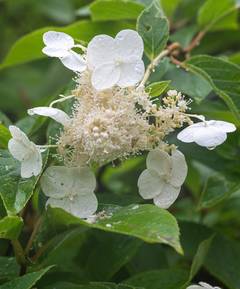
Medium blue (acid) to pink (alkaline); flat single florets; mophead 5-7 inches; blooms on old + new woodFoliage Description
Glossy dark green, broadly ovate, 4-8 inchesGrowing Conditions
Sun Requirements
Requires 3-5 hours of direct sunlight daily
• Full Sun: 6+ hours of direct sunlight
• Partial Shade: 3-6 hours of direct sunlight
• Full Shade: Less than 3 hours of direct sunlight
Care & Maintenance
Care Guide
Partial shade in moist humus-rich well-drained soil matches the cultivar's cultivation needs. Hardy to zone 5 (−20°F / −29°C); cold-hardiness rare among H. macrophylla combined with new-wood flowering extends reliable bloom into colder climates where typical H. macrophylla cultivars fail to flower after cold winters. Soil pH controls flower color: acidic soils below pH 5.5 with available aluminum produce blue flowers; neutral to alkaline soils produce pink. Even after complete winter dieback to ground level, new growth carries flower buds and produces flowers by midsummer.Pruning
Pruning in late winter or early spring removes dead wood and shapes the shrub. The dual-wood flowering trait means hard pruning does not eliminate the year's bloom: the current season's new wood carries flower buds that open July through September, so even severely cut-back plants bloom reliably in the same year. Old-wood pruning reduces early (June) flowers; new-wood flowers in late summer remain independent of pruning operations.Pruning Schedule
Prune: February–March
late spring
Container Growing
Suitable for container growing
Minimum container size: 7 gallons