Hydrangea, Genus, involucrata, Species,
- Genus & species
Bristly hydrangea
Overview
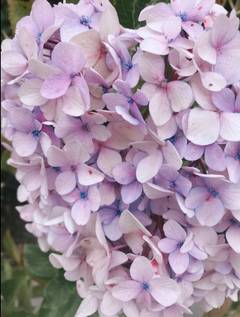
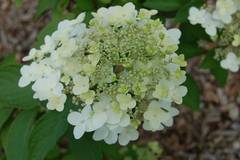
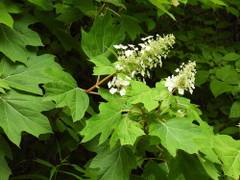
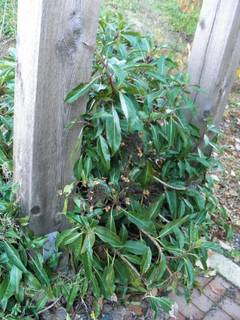
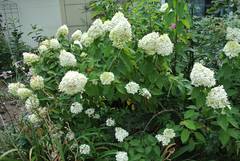
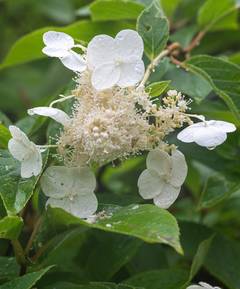
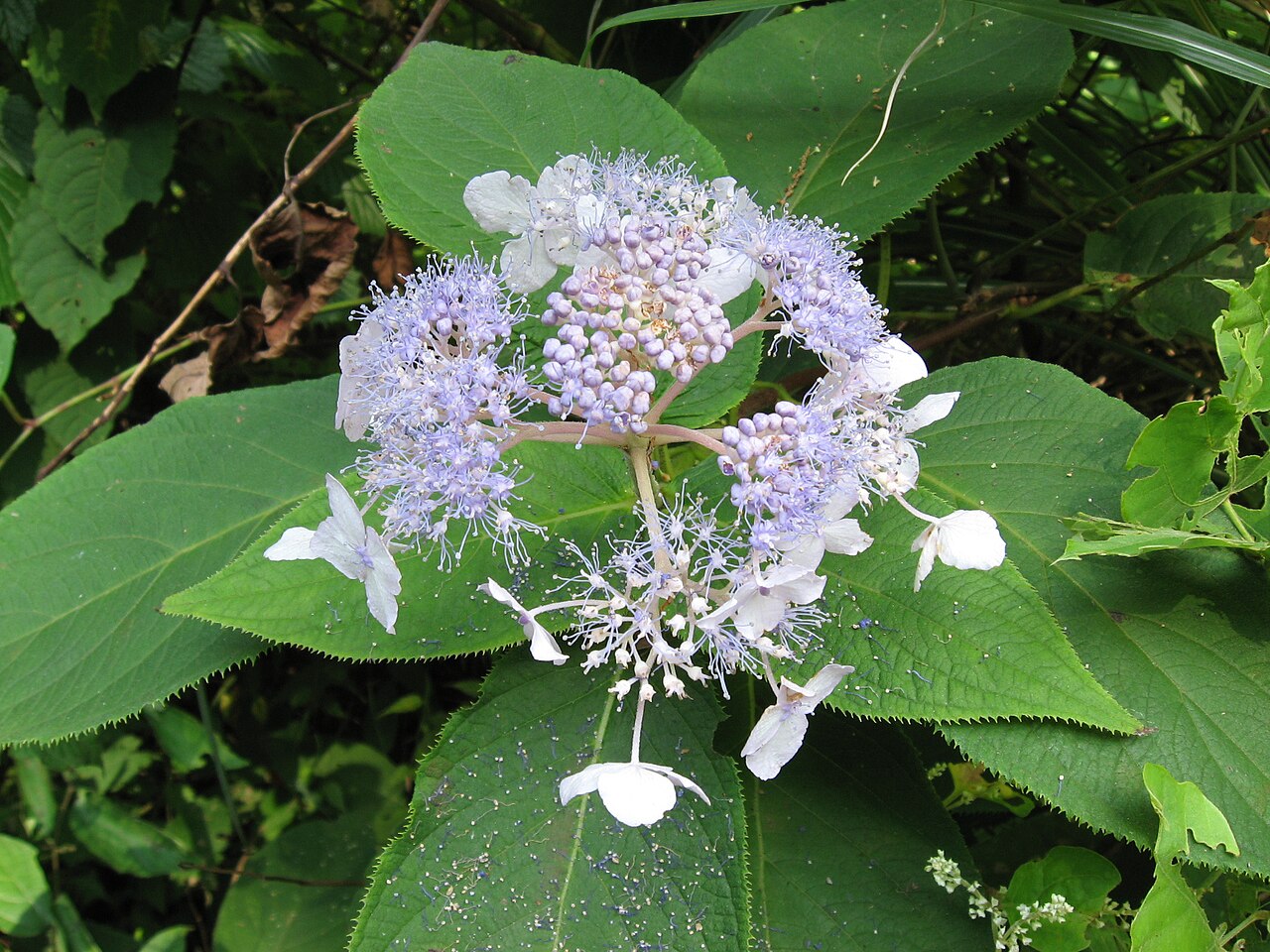
Hydrangea involucrata is a deciduous shrub in the hydrangea family (Hydrangeaceae), 2–4 feet (0.6–1.2 m) tall and 3–5 feet (0.9–1.5 m) wide, with upright stems that form a mounded clump. Stems and leaves are covered in stiff bristles. Leaves are opposite, ovate to elliptic, 4–8 inches (10–20 cm) long, with toothed margins and a rough texture. Flower buds are rounded, 0.75–1 inch (2–2.5 cm) wide, and enclosed by 2–4 papery bracts that split open to release the flower heads. Heads are flat-topped, 3–5 inches (7.5–13 cm) wide, with small fertile flowers in pale blue-lilac surrounded by a ring of white to pink sterile flowers 0.75–1 inch (2–2.5 cm) wide. Flowers open from July to September. Growth is 12–24 inches (30–60 cm) per year. Stems are damaged by winter freezes below 0°F (−18°C) and regrow from the base. Leaves wilt in dry soil, and all parts contain cyanogenic compounds that cause vomiting in pets if eaten.
Native Range
Hydrangea involucrata is native to Japan and Taiwan. It grows in moist woodland and along stream banks in mountain regions.Suggested Uses
Used in woodland gardens and shaded borders, spaced 3–4 feet (0.9–1.2 m) apart, and in containers of 5 gallons (19 L) or more. Plants are used as a low shrub under taller trees.How to Identify
Appearance
Size & Dimensions
Height2' - 4'
Width/Spread3' - 5'
Bloom Information
Detailed Descriptions
Flower Description
Pale blue-lilac fertile flowers with white to pink sterile flowersFoliage Description
Medium greenGrowing Conditions
Sun Requirements
Requires 3-6 hours of direct sunlight daily
• Full Sun: 6+ hours of direct sunlight
• Partial Shade: 3-6 hours of direct sunlight
• Full Shade: Less than 3 hours of direct sunlight
Care & Maintenance
Care Guide
Grows in part shade in moist, humus-rich, well-drained loam with a pH of 5.5–6.5. Hardy in USDA zones 7–9, and stems regrow from the base after freezes below 0°F (−18°C). Plants receive 1–1.5 inches (25–38 mm) of water per week, and leaves wilt within hours in dry soil. A mulch layer 2–3 inches (5–8 cm) deep reduces moisture loss. Powdery mildew develops in humid, shaded sites, and slugs and aphids affect new growth.Pruning
Stems are cut back to 6–12 inches (15–30 cm) above the ground in late winter or early spring, because flowers form on current-season growth. Dead stems are removed at the base. Heavy pruning in summer removes developing flower buds.Pruning Schedule
Prune: February–March
early spring
Container Growing
Suitable for container growing
Minimum container size: 5 gallons