Hydrangea, Genus, arborescens, Species,
- Genus & species
Smooth hydrangea
Overview
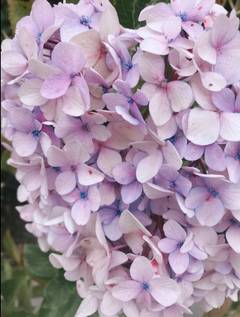
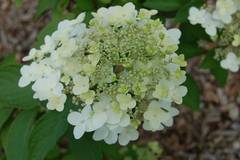
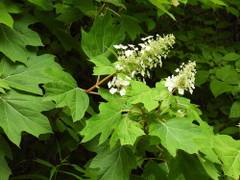
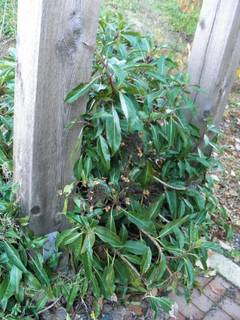
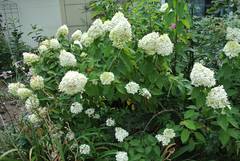
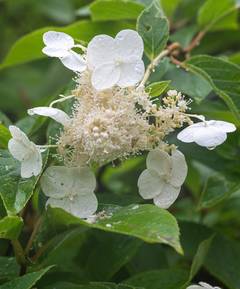
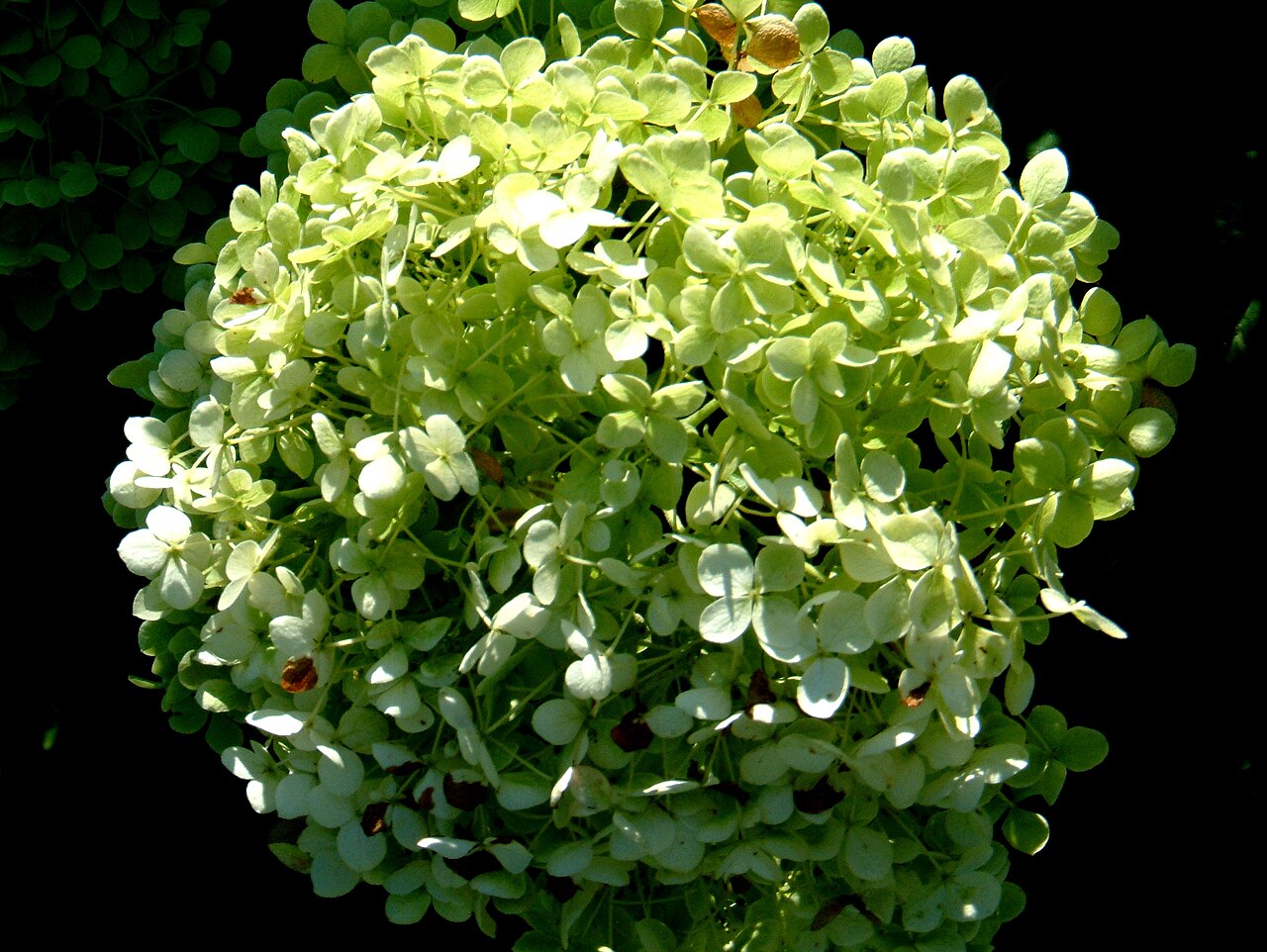
Hydrangea arborescens is a suckering, deciduous shrub in the hydrangea family (Hydrangeaceae), forming mounds 3–5 feet (0.9–1.5 m) tall and 3–6 feet (0.9–1.8 m) wide. Stems are slender, upright to arching, and bear opposite, ovate leaves 3–8 inches (7.5–20 cm) long with serrated margins, a rounded to heart-shaped base, and a bright green upper surface that is paler beneath. Flat-topped to rounded flower clusters 4–6 inches (10–15 cm) across open from June to September and are composed mainly of small, fertile, creamy white to greenish flowers, with a few sterile flowers 0.5–1 inch (1.3–2.5 cm) across at the margin. Cultivars with mostly sterile flowers form rounded heads 8–12 inches (20–30 cm) across. Flowers form on new wood, and stems that freeze to the ground in winter still bloom the same year. Fall foliage is yellow-green and drops after frost. Fruits are small, ribbed capsules 0.1 inch (3 mm) long that persist through winter. Stems flop under the weight of wet, heavy flower heads, and leaves wilt in afternoon sun without constant moisture. Plants spread by suckers to form colonies 6–10 feet (1.8–3 m) wide over 10 years.
Native Range
Hydrangea arborescens is native to the eastern and central United States, from southern New York and Pennsylvania south to northern Florida and west to Iowa and Louisiana. It grows in rich, moist woodland, on shaded stream banks, and on rocky bluffs, usually in the understory of deciduous forest.Suggested Uses
Used in shaded borders, woodland gardens, and foundation plantings, spaced 3–4 feet (0.9–1.2 m) apart. Plants are grown in mass plantings and on slopes, where suckers form colonies, and flowers are cut for fresh and dried arrangements. Bees and butterflies visit the clusters in summer.How to Identify
Appearance
Size & Dimensions
Height3' - 5'
Width/Spread3' - 6'
Bloom Information
Flower clusters open from June to July in warm regions and continue through September in cool climates, with each cluster lasting 3–4 weeks. Flowers form on new growth, so late spring frost that kills stem tips delays bloom rather than preventing it. Colors fade from creamy white to pale green and then tan as heads age.
Detailed Descriptions
Flower Description
Creamy white to greenish whiteFoliage Description
Bright green above, paler beneathGrowing Conditions
Sun Requirements
Requires 3-8 hours of direct sunlight daily
• Full Sun: 6+ hours of direct sunlight
• Partial Shade: 3-6 hours of direct sunlight
• Full Shade: Less than 3 hours of direct sunlight
Care & Maintenance
Care Guide
Grows in part shade to full sun in moist, humus-rich, well-drained soil with a pH of 5.5–7.0. Hardy in USDA zones 3–9. Plants receive 1–1.5 inches (2.5–4 cm) of water per week, and leaves wilt in afternoon sun in dry soil. Soil color does not change flower color in this species. Mulch 2–3 inches (5–7.5 cm) deep retains moisture. Stems 4 feet (1.2 m) or taller can lean when wet flower heads are heavy, and rich soil produces more lax growth. Powdery mildew, leaf spot, and aphids occur occasionally, and all parts contain cyanogenic glycosides.Pruning
Stems are cut to 6–12 inches (15–30 cm) above ground in late winter, February–March, because flowers form on new wood. Cutting back to 12–18 inches (30–45 cm) yields more flower heads per stem on shorter stems, while leaving stems taller yields larger clusters on weaker stems. Spent flower heads are left in place through winter or removed after bloom.Pruning Schedule
Prune: February–March
winterearly spring
Container Growing
Suitable for container growing
Minimum container size: 5 gallons