Hydrangea, Genus, spp., Multiple species,
- Genus
- Multiple species
hydrangeas
Overview
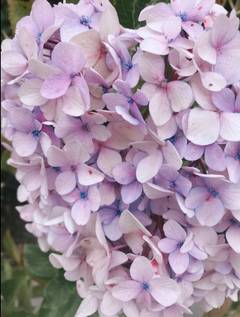
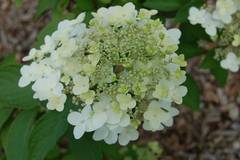
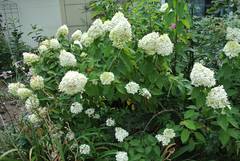
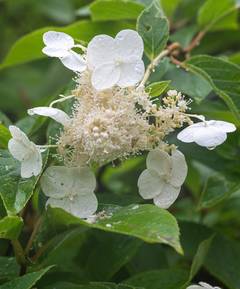
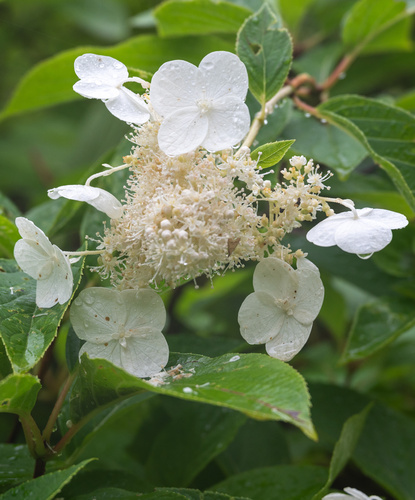
Hydrangea is a genus of about 70 to 75 species of deciduous shrubs, small trees, and woody climbers in the family Hydrangeaceae, native to eastern Asia and the Americas. The shrubby species, grown more often than the climbers, reach 3 to 15 feet (0.9 to 4.5 m) tall and wide, with large, opposite, toothed leaves 4 to 8 inches (10 to 20 cm) long. Flowers are carried in rounded or cone-shaped clusters that combine small fertile flowers with larger, showy sterile florets, in white, pink, blue, purple, red, and green. In some species, including H. macrophylla, the sterile florets shift toward blue in acid soil and pink in alkaline soil. Bloom runs from early summer into fall, and the dried flower heads often persist into winter. Hydrangea grows in USDA zones 3 to 9 in moist, well-drained soil. The plants wilt quickly in dry heat, the buds of some species are killed by late frosts, and the foliage and flower buds contain cyanogenic compounds toxic if eaten.
Native Range
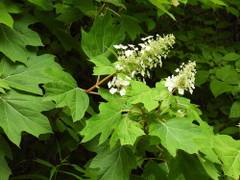
Native to eastern Asia, especially Japan, Korea, and China, and to the Americas, including the southeastern United States. North American species such as smooth hydrangea H. arborescens and oakleaf hydrangea H. quercifolia grow in woodlands and along streams.Suggested Uses
Grown as flowering shrubs in borders and foundation plantings, as informal hedges, in woodland and shade gardens, and in large containers. Climbing species are trained on walls and trees. The long-lasting flower heads are cut for fresh and dried arrangements.How to Identify
Appearance
Size & Dimensions
Height3' - 15'
Width/Spread3' - 12'
Colors
Bloom Information
Blooms from early summer into fall, with flower heads opening over several weeks and holding their shape long after the color fades. Many species dry to tan or brown and persist through winter. Species that flower on old wood set their buds the previous summer, while those flowering on new wood bloom on the current season growth.
Detailed Descriptions
Flower Description
white, pink, blue, purple, red, or greenFoliage Description
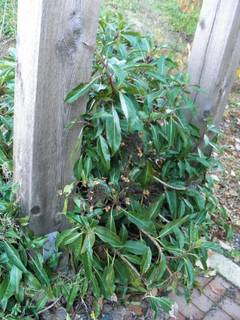
greenGrowing Conditions
Sun Requirements
Requires 4-6 hours of direct sunlight daily
• Full Sun: 6+ hours of direct sunlight
• Partial Shade: 3-6 hours of direct sunlight
• Full Shade: Less than 3 hours of direct sunlight
Care & Maintenance
Care Guide
Grows in morning sun with afternoon shade in hot climates, or full sun where summers are cool, in moist, humus-rich, well-drained soil. The plants need steady moisture and wilt quickly in dry heat, recovering when watered. Hardiness spans USDA zones 3 to 9, though late frosts can kill the flower buds of species that bloom on old wood. Soil pH changes the flower color of H. macrophylla, with acid soil giving blue and alkaline soil giving pink. Powdery mildew and leaf spot appear in damp, crowded sites. The foliage and buds contain cyanogenic compounds toxic if eaten.Pruning
Pruning timing depends on the species: types that bloom on old wood are pruned right after flowering, while types that bloom on new wood are cut back in late winter or early spring. Removing spent flower heads and weak stems renews the plant. Cutting old-wood types in winter removes the coming season flowers.Pruning Schedule
Prune: February–March
winterearly spring
Container Growing
Suitable for container growing
Minimum container size: 5 gallons