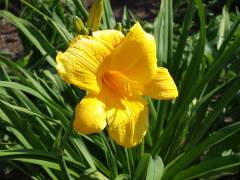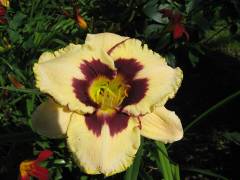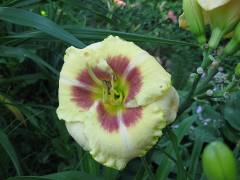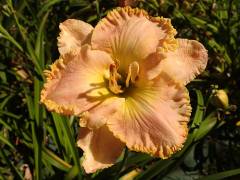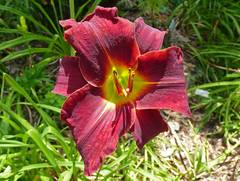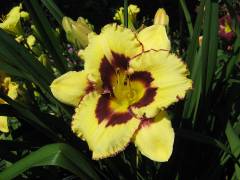
Hemerocallis, Genus, lilioasphodelus, Species,
- Genus & species
yellow daylily
Overview
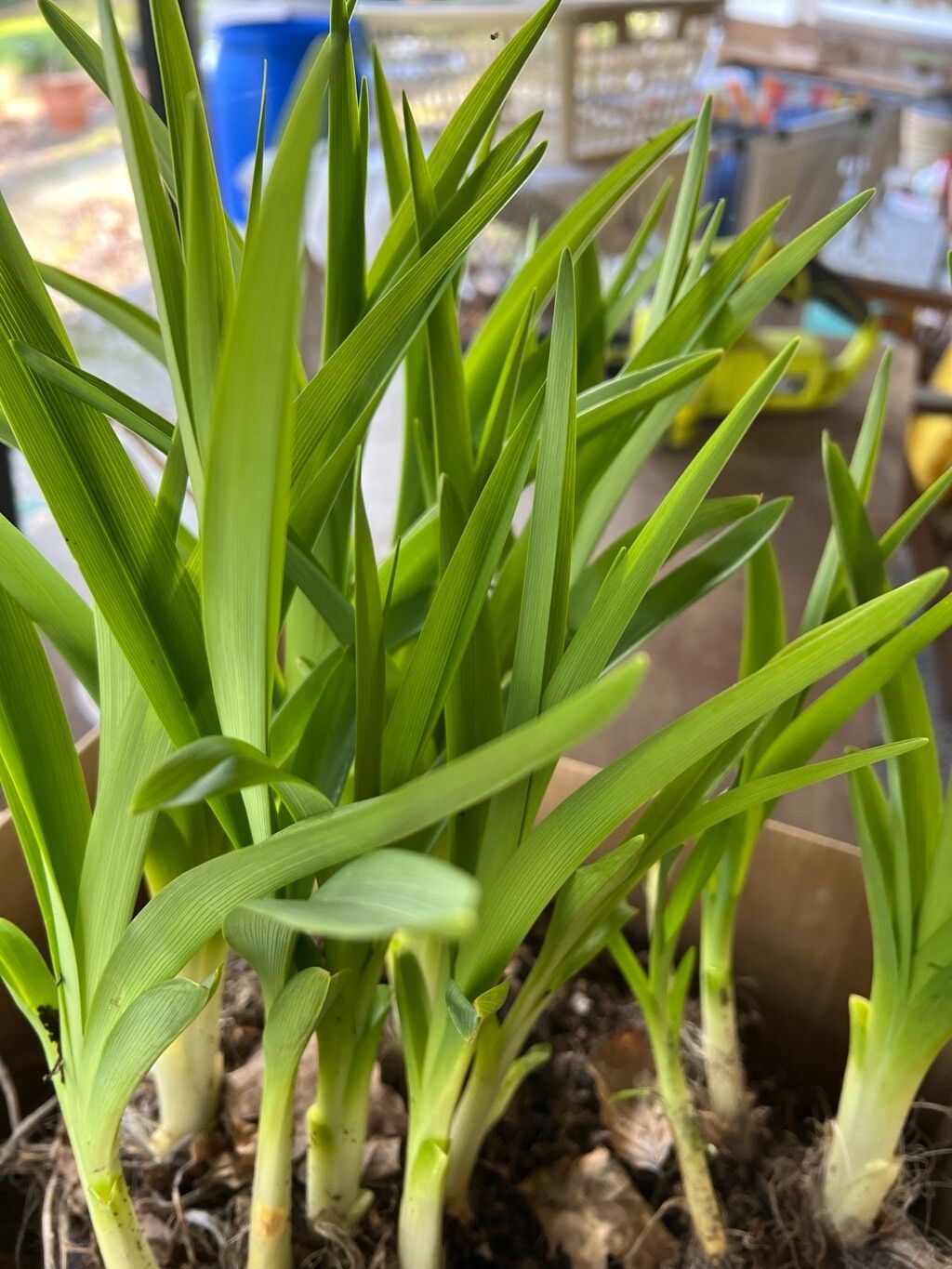
Hemerocallis lilioasphodelus is a clump-forming herbaceous perennial reaching 24-36 inches (60-90 cm) tall in bloom, with arching, strap-shaped leaves 18-30 inches (45-75 cm) long and about 0.5 inch (1.3 cm) wide. Branched flower stalks rise just above the foliage, each carrying several lemon-yellow, trumpet-shaped flowers 3-4 inches (8-10 cm) across. Flowers are fragrant and open in late spring, each lasting a single day, with new buds opening in succession over three to four weeks. The plant spreads by short rhizomes to form colonies 2-3 feet (60-90 cm) wide over several seasons. Foliage emerges early in spring and dies back after frost. Flowering is concentrated in a single flush rather than repeating through summer, so the display is shorter than that of modern reblooming daylily hybrids.
Native Range
Native to temperate eastern Asia, including Siberia, Mongolia, northern China, and Korea. Grows in damp meadows, forest margins, and streamsides. Long cultivated and naturalized in parts of Europe and North America.Suggested Uses
Planted in perennial borders, along paths, and in mass plantings at 18-24 inch (45-60 cm) spacing, where the fragrance is noticeable near seating and entries. The early, single bloom flush suits combinations with later-flowering perennials. Grows in containers of at least 3 gallons (11 L).How to Identify
Appearance
Size & Dimensions
Height2' - 3'
Width/Spread2' - 3'
Bloom Information
Blooms in late spring, typically May into June, ahead of most garden daylilies. Each flower lasts a single day; a clump flowers for three to four weeks as successive buds open. Cool springs delay the start of bloom, and the plant does not rebloom later in the season.
Detailed Descriptions
Foliage Description
greenGrowing Conditions
Sun Requirements
Requires 4-10 hours of direct sunlight daily
• Full Sun: 6+ hours of direct sunlight
• Partial Shade: 3-6 hours of direct sunlight
• Full Shade: Less than 3 hours of direct sunlight
Care & Maintenance
Care Guide
Grows in full sun to part shade in average to moist, well-drained soil. Water during establishment and in dry spells through the bloom period; flowering decreases in prolonged drought. The plant tolerates a range of soils and needs little feeding. Dense clumps flower less after several years and can be lifted and divided in early spring or after bloom every three to four years. Daylily rust and aphids occur in some regions but are seldom serious on this species. All parts are toxic to cats and can cause acute kidney failure if ingested.Pruning
Remove individual spent flowers and seed pods during bloom to keep stalks clean and limit self-seeding. Cut flower stalks to the base once flowering ends. Cut foliage to ground level after it yellows in autumn.Pruning Schedule
Prune: June & November
summerfall
Container Growing
Suitable for container growing
Minimum container size: 3 gallons