Hemerocallis, Genus, spp., Multiple species,
- Genus
- Multiple species
daylilies
Overview
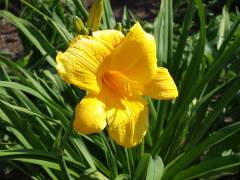
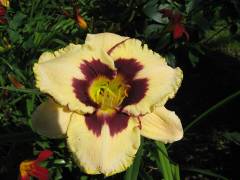
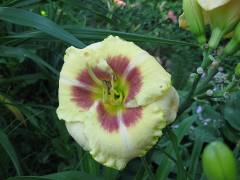
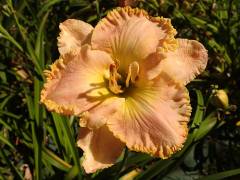
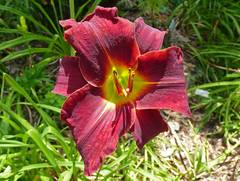
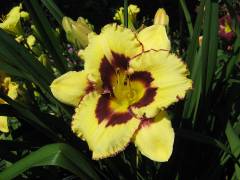
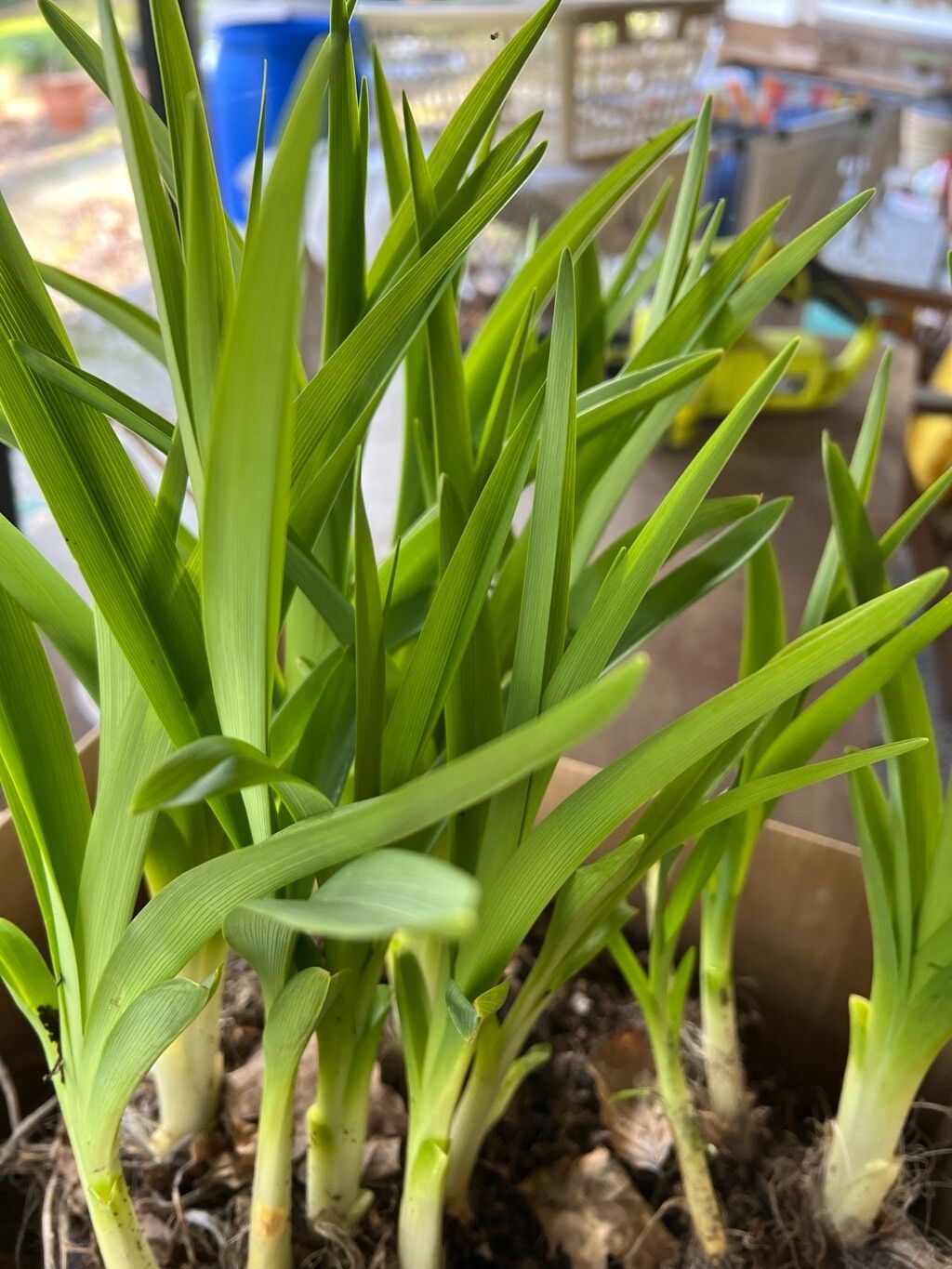
Hemerocallis is a genus of about 15 species of clump-forming herbaceous perennials in the family Asphodelaceae, native to eastern Asia. Despite the common name daylily, the plants are not true lilies. They grow from thickened, fleshy roots into dense clumps of arching, strap-shaped basal leaves 1–3 ft (30–90 cm) long. Leafless flowering stems, called scapes, rise 1–4 ft (30–120 cm) tall and carry clusters of funnel-shaped, six-tepaled flowers 2–6 in (5–15 cm) across. Each flower opens for a single day, which gives the genus its name from the Greek for day and beauty, but a scape produces many buds that open in succession over weeks. Wild species flowers are yellow, orange, and rusty red, while breeding has produced tens of thousands of cultivars in nearly every color except true blue. The fruit is a three-chambered capsule holding black seeds. Plants spread by short rhizomes to form wide clumps, and some species, including H. fulva, spread far enough to naturalize along roadsides and stream banks. All parts are toxic to cats and can cause kidney failure if eaten.
Native Range
Hemerocallis is native to eastern Asia, from China and Mongolia through Korea to Japan and the Russian Far East. The orange daylily H. fulva and lemon daylily H. lilioasphodelus have naturalized widely in North America and Europe after long cultivation. No species is native to North America.Suggested Uses
Hemerocallis species are grown in perennial borders, mass plantings, and on slopes for erosion control. Vigorous species such as H. fulva are used as groundcover in rough areas where their spread is contained. The flowers and buds of some species are used in East Asian cooking.How to Identify
Appearance
Size & Dimensions
Height1' - 4'
Width/Spread1' - 3'
Bloom Information
Most Hemerocallis species flower in early to midsummer, roughly June to August, with each flower open for only one day. A single established clump opens many flowers over a 3 to 5 week period as successive buds mature. Some species and cultivars rebloom later in the season. The wild species flower in yellow, orange, and red.
Detailed Descriptions
Flower Description
yellow, orange, or rusty red in wild speciesFoliage Description
greenGrowing Conditions
Sun Requirements
Requires 6-10 hours of direct sunlight daily
• Full Sun: 6+ hours of direct sunlight
• Partial Shade: 3-6 hours of direct sunlight
• Full Shade: Less than 3 hours of direct sunlight
Care & Maintenance
Care Guide
Hemerocallis species grow in full sun to part shade and tolerate a wide range of soils with a pH around 6.0 to 7.0, performing well in moist, well-drained ground. Established clumps are drought tolerant once their fleshy roots develop, though flowering is heavier with steady moisture. Plants need little feeding and few pest controls, and they grow in climates from USDA zones 3 to 9. Clumps enlarge over years and flower less as they crowd, so they are lifted and divided every 3 to 5 years. Division is done in spring or after flowering. Spent scapes are cut to the base once all buds have opened.Pruning
Spent Hemerocallis flowers and scapes are removed after flowering to keep clumps tidy and reduce seed set. Yellowing leaves are trimmed through the season, and deciduous foliage is cut to the ground in late autumn or early spring. Lifting and dividing crowded clumps every few years maintains flowering.Container Growing
Suitable for container growing
Minimum container size: 3 gallons