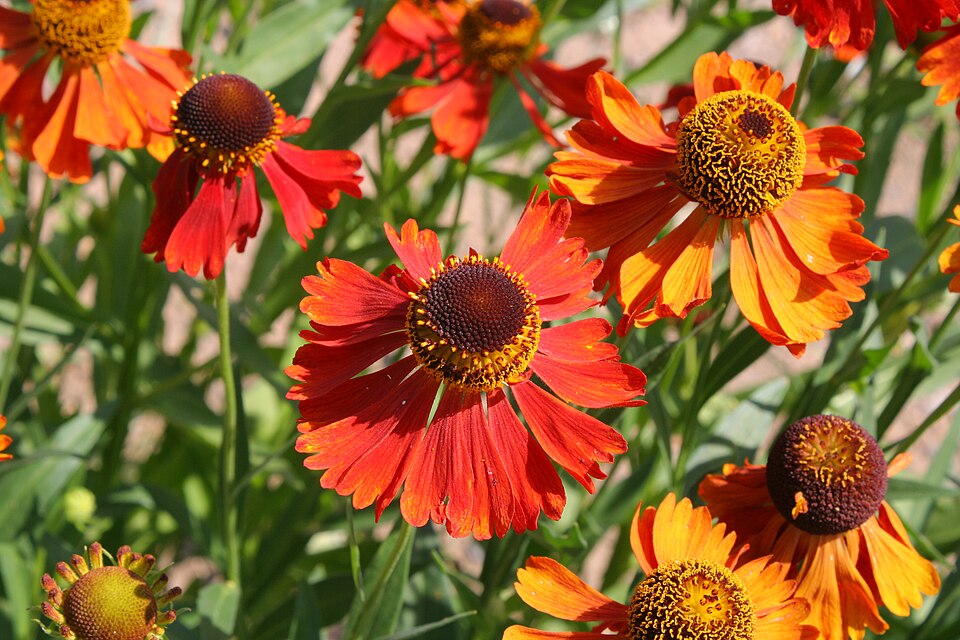
Helenium, Genus, 'Moerheim Beauty', Cultivar,
- Genus
- Cultivar
Moerheim beauty sneezeweed
Garden cultivar derived from North American Helenium species (moist meadows, streambanks, wet prairies); bred by B. Ruys of Moerheim Nursery, Netherlands, 1930
Overview
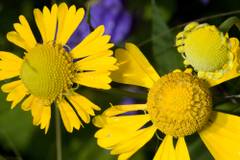
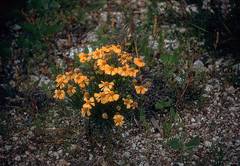
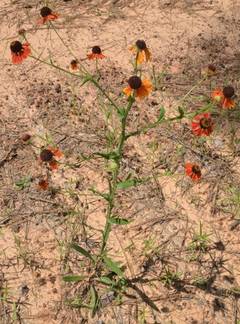
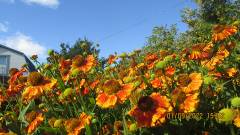
Helenium 'Moerheim Beauty' is an upright clumping deciduous perennial in the composite family (Asteraceae) reaching 30–42 inches (75–105 cm) tall with a spread of 18–24 inches (45–60 cm). This long-established cultivar was introduced by B. Ruys of Moerheim Nursery in the Netherlands in 1930 and has remained in continuous trade for nearly a century since its release. Flowers are daisy-like flower heads 2–2.5 inches (5–6 cm) across carrying rich mahogany-red to bronze-red ray florets and a prominent dark brown central cone at the flower center. Ray petals run reflexed (swept backward) from the dome-shaped center, which gives the flower face the backward-swept profile typical of the genus and separates Helenium visually from other composite-family daisies. Flowers are carried in branching clusters from July through September. Foliage is lance-shaped medium green at 3–5 inches (8–13 cm) long, on stiff upright stems that support the flower clusters through summer wind and rain. Growth rate runs moderate. Hardy to zone 3.
Native Range
Helenium 'Moerheim Beauty' is a garden cultivar derived from Helenium autumnale and related North American species. The parent species are native to moist meadows, streambanks, and wet prairies across eastern and central North America. The cultivar was bred by B. Ruys in the Netherlands for a warmer flower color than the yellow species type.Suggested Uses
Grown in mixed borders and prairie-style plantings at 18–24 inch (45–60 cm) spacing. The warm mahogany-red tones complement the late-summer yellow, orange, and purple flower colors that dominate the July–September garden, which gives the cultivar a color-composition role in naturalistic and prairie-inspired plantings. The plant functions as a cut flower for late-summer arrangements. Tall flower stems may need support in exposed sites with strong summer winds. Consistent moisture is required across the active growing season — the species carries no drought tolerance and declines in dry conditions. Dry soils, deep shade, and positions without supplemental summer water are all unsuitable given the cultural preferences.How to Identify
Appearance
Size & Dimensions
Height2'6" - 3'6"
Width/Spread1'6" - 2'
Bloom Information
Daisy-like flower heads 2–2.5 inches (5–6 cm) across, mahogany-red to bronze-red ray florets with a dark brown central cone, open in branching clusters from July through September across an 8–10-week bloom window. Deadheading spent flowers continues the bloom flush through the later summer into early fall.
Detailed Descriptions
Flower Description
Mahogany-red to bronze-red ray florets with dark brown central cone; reflexed ray petalsFoliage Description
Medium green lance-shaped 3-5 inches long on stiff upright stemsGrowing Conditions
Sun Requirements
Requires 6-10 hours of direct sunlight daily
• Full Sun: 6+ hours of direct sunlight
• Partial Shade: 3-6 hours of direct sunlight
• Full Shade: Less than 3 hours of direct sunlight
Care & Maintenance
Care Guide
Grows in full sun in moist fertile well-drained soil at pH 5.5–7.0, tolerating loam and clay. Hardy to zone 3. The cultivar requires consistent moisture across the growing season and performs poorly in drought conditions — dry summer positions should be irrigated through the growing season or planted with drought-tolerant alternatives. Pinching the stem tips in late May (the Chelsea chop technique) reduces the final mature height by 6–12 inches and triggers branching at the cut point, which produces a bushier plant with more flower stems. Dividing clumps every 3–4 years maintains vigor across the long lifespan. Tall flower stems may require staking in rich soils or in shaded positions where the stems grow soft.Pruning
Growing tips are pinched by one-third in late May (the Chelsea chop) to reduce the final mature height by 6–12 inches and trigger branching from the cut points. Deadheading spent flowers extends the bloom season through September. All growth is cut to the ground after the first hard frost kills the foliage. Clumps are divided in spring every 3–4 years to maintain vigor.Pruning Schedule
Prune: May
late spring