Image 1 of 5
1 / 5
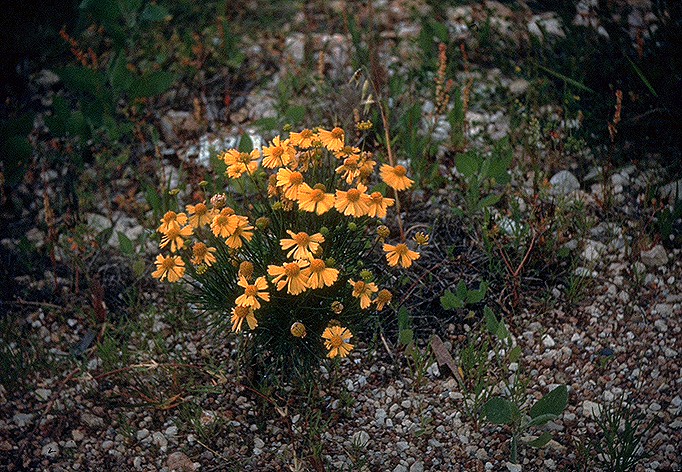
Clarence A. Rechenthin @ USDA-NRCS PLANTS Database, no rights reserved (CC0) · Wikimedia Commons
Helenium, Genus,
- Genus
sneezeweeds
Overview
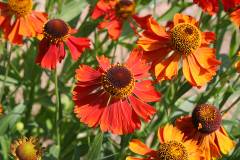
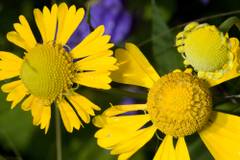
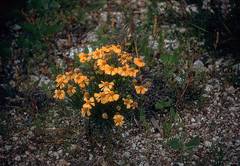
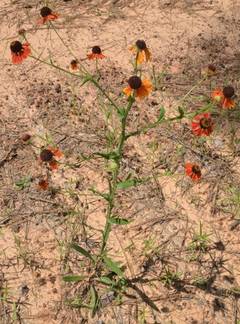
Helenium is a genus of about 40 species of annual, biennial, and perennial herbs in the daisy family, Asteraceae, native to the Americas, with most species in North America. Garden plants derive largely from H. autumnale and its hybrids. Perennial species form upright, clumping stems 2-5 feet (60-150 cm) tall, often winged by the leaf bases that run down the stem. Leaves are alternate, lance-shaped, and 2-6 inches (5-15 cm) long. The flower heads are 1.5-3 inches (4-7.5 cm) across, with a raised, dome-shaped central disc in yellow to brown and a surround of wedge-shaped ray florets that flare backward and are notched or toothed at the tip. Ray colour spans yellow, gold, orange, copper, red, and bicolour across the genus and its cultivars. Bloom comes mainly in late summer and autumn, when the heads draw bees and butterflies. The common name sneezeweed comes from the historical use of dried leaves as snuff, not from pollen allergy. Plant tissue contains bitter sesquiterpene lactones and is toxic to livestock and people if eaten in quantity. Most perennial species are hardy in USDA zones 3 to 8 and need consistently moist soil.
Native Range
Helenium is native to North, Central, and South America, with the greatest number of species in the United States. H. autumnale ranges widely across North America in wet meadows, ditches, and streamsides. Several species occur in Mexico and the Andes.Suggested Uses
Helenium is planted in borders, prairie and meadow plantings, and rain gardens for late-season colour. The flowers are used as cut stems. The genus suits pollinator plantings that extend nectar into autumn.How to Identify
Appearance
Size & Dimensions
Height2' - 5'
Width/Spread1'6" - 2'6"
Bloom Information
Most Helenium species and cultivars flower from midsummer into autumn, often July to October. Bloom continues for several weeks, and removing spent heads extends the display. Late flowering makes the genus a nectar source as many other perennials fade.
Detailed Descriptions
Flower Description
yellow, gold, orange, copper, or redFoliage Description
greenGrowing Conditions
Sun Requirements
Requires 6-10 hours of direct sunlight daily
• Full Sun: 6+ hours of direct sunlight
• Partial Shade: 3-6 hours of direct sunlight
• Full Shade: Less than 3 hours of direct sunlight
Care & Maintenance
Care Guide
Helenium species grow in full sun on fertile, consistently moist soil and tolerate heavy clay and seasonal wetness better than dry ground. Soil pH near 5.5 to 7.0 suits most species. Plants in dry soil wilt and flower poorly. Perennial species are hardy in USDA zones 3 to 8 and benefit from division every two to three years to keep clumps growing strongly. Tall stems may need support on windy sites or after rain. Powdery mildew and leaf spot appear in crowded, humid plantings, and the foliage is toxic if eaten.Pruning
Cut stems back by one third in early summer to limit height and reduce staking. Deadhead spent flowers to prolong bloom. Cut the whole clump to the ground after frost blackens the foliage.Pruning Schedule
summerfall
Container Growing
Suitable for container growing
Minimum container size: 3 gallons