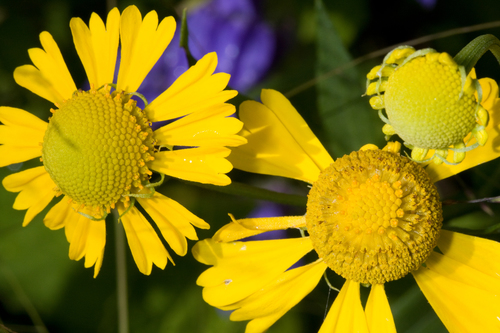
Helenium, Genus, autumnale, Species,
- Genus & species
sneezeweed
Overview
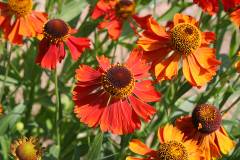
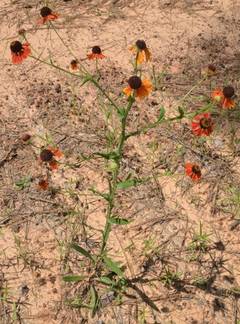
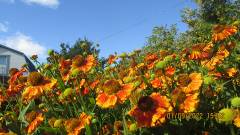
Helenium autumnale is an upright herbaceous perennial reaching 36-60 inches (90-150 cm) tall and 18-24 inches (45-60 cm) wide, with stiff branching stems and alternate lance-shaped leaves 4-6 inches (10-15 cm) long that have decurrent bases extending down the stem as winged ridges. Flowers are 1.5-2 inches (4-5 cm) across, daisy-like, with golden-yellow ray florets fringed at the tips and a prominent rounded central disc that turns brown with age. Bloom occurs from late July through October (10-12 weeks). The species is hardy in USDA zones 3-8 and native to wet meadows, stream banks, and floodplain forests across most of North America. Plants form a fibrous root system and tolerate heavy clay and seasonal flooding for 1-3 weeks. Foliage and flowers contain sesquiterpene lactones and are toxic to livestock and pets if ingested in quantity, causing gastrointestinal distress. The historical common name sneezeweed comes from a Native American practice of using dried flower heads as snuff, not from any pollen-related allergy. Pollinators including native bees, butterflies, and goldfinches visit the flowers and seedheads.
Native Range
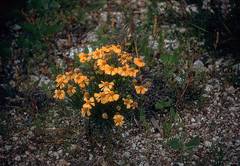
Helenium autumnale is native to most of North America, ranging from Quebec and Newfoundland south to Florida and west to Arizona and British Columbia. It grows in wet meadows, stream banks, ditches, marshes, and seasonally flooded floodplain forests. Regional ecotypes vary in flowering time, mature height, and frost tolerance across the wide range.Suggested Uses
Helenium autumnale is used in moist meadow plantings, rain gardens, pond edges, and naturalized prairie restorations, spaced 18-24 inches (45-60 cm) apart for mature spread. The tall stems are used in the back of mixed perennial borders where soil remains moist through summer. Cut stems last 5-8 days in arrangements when harvested at the half-open flower stage.How to Identify
Appearance
Size & Dimensions
Height3' - 5'
Width/Spread1'6" - 2'
Bloom Information
Bloom begins in late July in USDA zones 4-6 and continues through September; in zones 7-8 bloom extends into October-November. Individual flowers last 7-10 days, with new flowers opening continuously over a 10-12 week period. Cutting back stems by half in early June (the Chelsea chop) delays bloom by 2-3 weeks and produces shorter, denser plants.
Detailed Descriptions
Flower Description
Golden-yellow rays with yellow-green to brown central discFoliage Description
Mid-greenGrowing Conditions
Sun Requirements
Requires 6-12 hours of direct sunlight daily
• Full Sun: 6+ hours of direct sunlight
• Partial Shade: 3-6 hours of direct sunlight
• Full Shade: Less than 3 hours of direct sunlight
Care & Maintenance
Care Guide
Helenium autumnale grows in full sun (6+ hours daily); shade reduces flowering by 50% and produces leggy stems requiring support. Soil should be moist to wet loam or clay with pH 5.5-7.0; the species tolerates seasonal flooding for 1-3 weeks but not extended drought. Watering during dry periods (drought of 2+ weeks) prevents foliage drop and bud abortion. Mulching with 2-3 inches (5-7.5 cm) of compost retains moisture in summer heat. Division of clumps every 3-4 years in early spring rejuvenates flowering and prevents centers from dying out. Hardiness extends to USDA zone 3 in well-mulched sites with reliable snow cover.Pruning
The Chelsea chop (cutting stems back by half in late May or early June) reduces final plant height by 12-18 inches (30-45 cm) and delays bloom by 2-3 weeks but produces a denser, self-supporting habit. Deadheading spent flowers during August extends the flowering period by 2-3 weeks. Cutting back to 2-4 inches (5-10 cm) above ground in late autumn or early spring removes overwintering disease pressure.Pruning Schedule
Prune: May–June & November
late springfall