Image 1 of 13
1 / 13
Plant Reference
Helenium, Genus, spp., Multiple species,
- Genus
- Multiple species
sneezeweed
North America, with greatest species diversity in the central and eastern United States
Overview
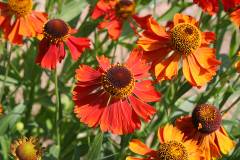
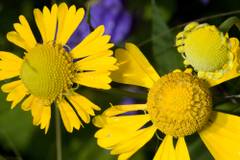
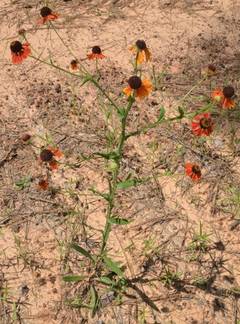
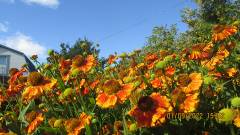
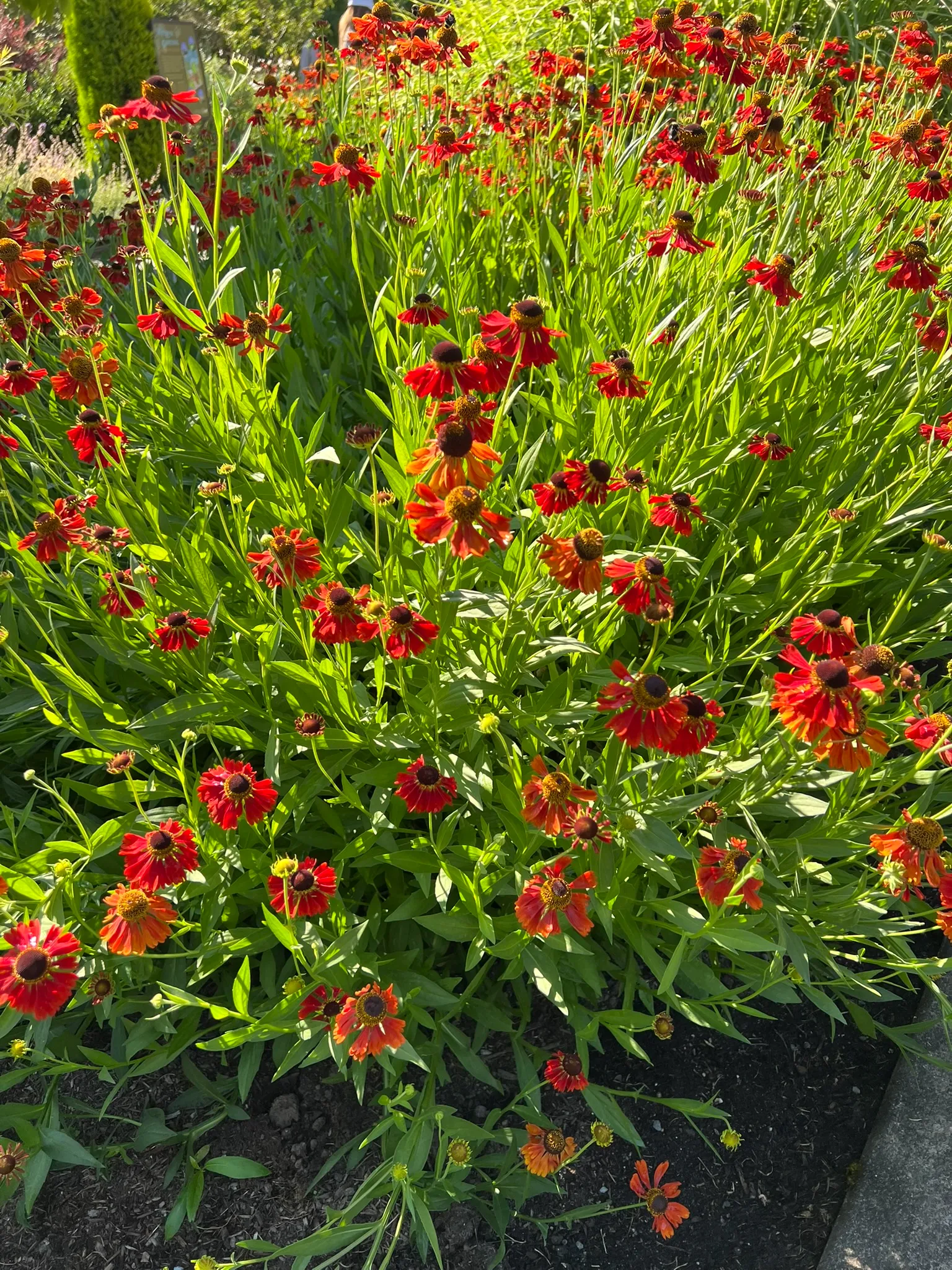
Helenium is a genus of clump-forming native perennials in the family Asteraceae, native to meadows, prairies, and moist open areas across North America, with most garden-worthy species from the central and eastern United States. Plants form upright clumps of leafy winged stems 18-60 inches (45-150 cm) tall, with height varying widely by species and cultivar. Leaves are lance-shaped to ovate, medium green, and decurrent (the leaf base continues down the stem to form narrow wings). From midsummer through fall, stems carry numerous daisy-like flower heads 1.5-2.5 inches (4-6 cm) across with wedge-shaped ray florets (notched or reflexed at the tips) surrounding a prominent dome-shaped to button-like central disc in yellow-green to brown. Flower colors span pure yellow through orange, copper, bronze, and mahogany-red, including bicolors. Modern cultivars of H. autumnale and H. hoopesii and their hybrids offer compact growth, extended bloom, and saturated colors. The common name derives from the historical use of dried leaves as snuff; the pollen is insect-dispersed and does not cause hay fever. All parts are toxic to livestock and can be toxic to pets and humans if ingested in quantity. Consistent moisture supports flowering and form; dry soils produce powdery mildew and plant decline.
Native Range
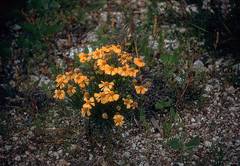
Helenium is native across much of North America, with the greatest species diversity in the central and eastern United States. H. autumnale (common sneezeweed) ranges from Nova Scotia south to Florida and west to Arizona. Most species grow in moist to wet meadows, prairies, floodplains, and stream margins, and adapt to average garden soils in cultivation.Suggested Uses
Planted in perennial borders, native plantings, rain gardens, and pollinator gardens at 18-24 inch (45-60 cm) spacing. The warm orange, copper, and red tones pair with ornamental grasses, Rudbeckia, and Symphyotrichum in late-summer borders. Late-season butterflies and native bees use the flowers. Cut stems hold 7-10 days in water. Dry xeric sites and deep shade are outside the use range.How to Identify
Appearance
Size & Dimensions
Height1'6" - 5'
Width/Spread1'6" - 2'
Bloom Information
Daisy-like flower heads 1.5-2.5 inches (4-6 cm) across with wedge-shaped reflexed ray florets and a domed central disc, carried on winged stems July through October depending on species and cultivar. H. hoopesii blooms earliest (June-July); most H. autumnale cultivars bloom August-October. Individual plants bloom 6-10 weeks. A Chelsea chop in late May to early June extends the flowering window and improves plant structure.
Detailed Descriptions
Flower Description
Yellow, orange, copper, bronze, and mahogany-red, including bicolors; daisy-like heads 1.5-2.5 inches (4-6 cm); wedge-shaped reflexed ray florets; domed yellow-green to brown central disc; July-OctoberFoliage Description
Medium green; lance-shaped to ovate with decurrent bases forming winged stems; deciduousGrowing Conditions
Sun Requirements
Requires 6-8 hours of direct sunlight daily
• Full Sun: 6+ hours of direct sunlight
• Partial Shade: 3-6 hours of direct sunlight
• Full Shade: Less than 3 hours of direct sunlight
Care & Maintenance
Care Guide
Grows in full sun in average to moist fertile soil at pH 6.0-7.0. Hardy to USDA zone 3. Consistent moisture supports flowering and stem strength; H. hoopesii tolerates drier sites than H. autumnale. Regular watering during establishment and during summer dry spells prevents the powdery mildew pressure that accompanies drought stress. A cutback by one-third in late May to early June reduces height, improves branching, and extends bloom. Division every 2-3 years in early spring renews clumps that deteriorate at the center relatively quickly; only healthy outer divisions are replanted.Pruning
A cutback to one-third height in late May to early June produces a more compact branching plant with a higher flower count. Deadheading spent flower heads extends bloom. After hard frost, all stems are cut to ground level. Division in early spring every 2-3 years discards the old center of the clump and replants the vigorous outer portions.Pruning Schedule
Prune: March, May–June & October
late springearly springfall