Shrubs
Hakea, Genus, petiolaris, Species,
- Genus & species
Sea urchin hakea
South coast and southwest of Western Australia
Overview
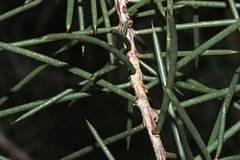
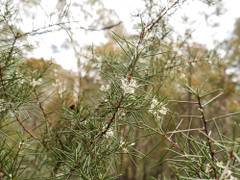
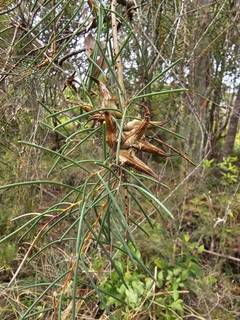
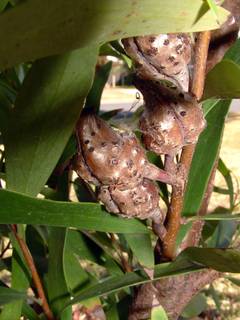
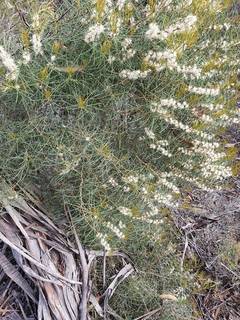
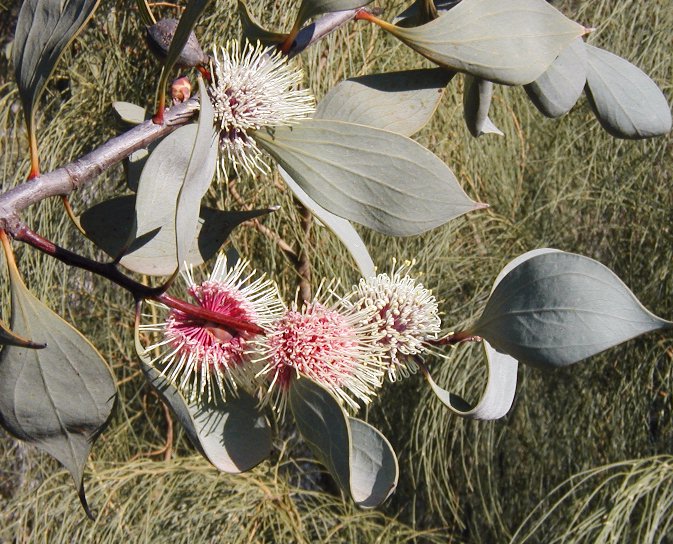
Hakea petiolaris is an evergreen shrub or small tree, 6–15 feet (1.8–4.6 m) tall and 5–10 feet (1.5–3 m) wide, with a dense, rounded to upright habit. Leaves are stiff, leathery, oblong to elliptic, 3–5 inches (8–13 cm) long and 0.8–1.5 inches (2–4 cm) wide, grey-green, with prominent longitudinal veins and a short petiole. Flowers are held in globular, spiky clusters in the leaf axils, opening cream to pale pink and ageing to deeper pink or red, with long protruding styles giving the head a sea-urchin outline. Woody, beaked fruits 1–1.5 inches (2.5–4 cm) long follow and remain on the plant. Growth is moderate at 12–24 inches (30–60 cm) per year. Plants tolerate wind, drought, and alkaline soil but decline in wet, humid conditions, and they are susceptible to Phytophthora root rot.
Native Range
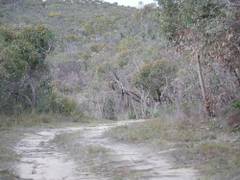
Native to the south coast and southwest of Western Australia, growing in sandy heath, scrub, and on granite outcrops.Suggested Uses
Used as a screen, windbreak, or informal hedge, spaced 4–6 feet (1.2–1.8 m) apart. Grown in wildlife gardens, where the dense foliage serves as nesting cover for small birds.How to Identify
Appearance
Size & Dimensions
Height6' - 15'
Width/Spread5' - 10'
Colors
Bloom Information
Detailed Descriptions
Flower Description
Cream ageing to pink or redFoliage Description
Grey-greenGrowing Conditions
Sun Requirements
Requires 6-10 hours of direct sunlight daily
• Full Sun: 6+ hours of direct sunlight
• Partial Shade: 3-6 hours of direct sunlight
• Full Shade: Less than 3 hours of direct sunlight
Care & Maintenance
Care Guide
Grows in full sun (6–10 hours) and sandy, gravelly, well-drained soil with a pH of 5.5–8.0. Hardy to about 23°F (-5°C), equivalent to USDA zones 9–11. Established plants tolerate long dry periods and are watered every 2–3 weeks in summer. Phosphorus-rich fertilizers can damage roots, and low-phosphorus products are used. Root rot from Phytophthora cinnamomi develops in wet, warm, poorly drained soil, which limits use in humid climates.Pruning
Light tip pruning after flowering keeps growth dense, with cuts made into leafy wood. Old leafless wood seldom resprouts, and hard pruning can kill plants. Spent fruits can be left in place.Pruning Schedule
Prune: October–November
late spring
Container Growing
Suitable for container growing
Minimum container size: 10 gallons