Geranium, Genus, homeanum, Species,
- Genus & species
Australasian Crane's-bill
Southeastern Australia and New Zealand
Overview
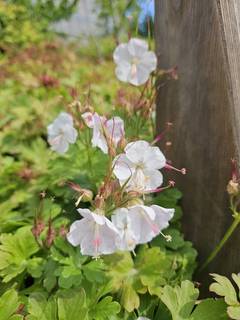
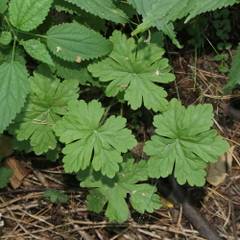
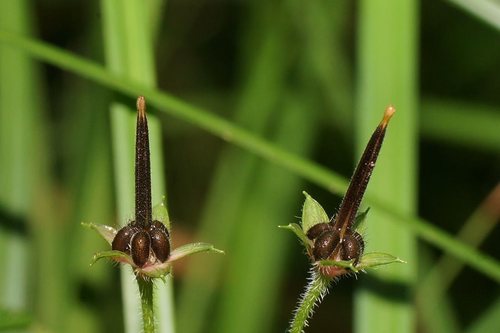
Geranium homeanum is a low, spreading perennial herb with slender, often trailing stems that root at the nodes and form a loose mat, with leafy growth 4-12 inches (10-30 cm) high. The leaves are rounded in outline, 0.6-1.6 inches (1.5-4 cm) across, divided into five to seven shallowly toothed lobes, green and softly hairy. Pink to pale pink flowers about 0.3-0.5 inch (8-12 mm) across open singly or in pairs on slender stalks through spring and summer, the petals notched at the tip. Each flower is followed by a beaked fruit that splits and flicks the seeds outward. The stems spread across the ground and root where they touch moist soil. The plant dies back in dry or cold conditions and reshoots from the rootstock after rain. It grows in moist grassland, open forest, and along watercourses on loam and clay soils.
Native Range
Native to southeastern Australia, including New South Wales, Victoria, Tasmania, and South Australia, and to New Zealand. Grows in moist grassland, open forest, and along watercourses on loam and clay-loam soils.Suggested Uses
Grown as a low groundcover in moist native and woodland plantings, spaced about 12-18 inches (30-45 cm) apart to knit into a mat. Used along pond edges and in damp borders. Spreads by rooting stems and self-sown seed into surrounding ground.How to Identify
Appearance
Size & Dimensions
Height4" - 1'
Width/Spread8" - 1'8"
Bloom Information
Detailed Descriptions
Flower Description
Pink to pale pinkFoliage Description
GreenGrowing Conditions
Sun Requirements
Requires 4-8 hours of direct sunlight daily
• Full Sun: 6+ hours of direct sunlight
• Partial Shade: 3-6 hours of direct sunlight
• Full Shade: Less than 3 hours of direct sunlight
Care & Maintenance
Care Guide
Grows in part shade to full sun on moist, free-draining loam or clay-loam at a pH of about 5.5-7.0. Needs steady moisture through the growing season; foliage wilts and dies back in drought. Tolerates light frost, with foliage browning in colder areas and regrowth in spring. Stems root where they touch moist soil and the plant widens into a loose mat. Snails graze new foliage in wet weather. Self-sows from the flicked seed into surrounding ground.Pruning
Trim back trailing stems after flowering to contain the mat and tidy the plant. Cut spent flower stalks to limit self-seeding. The plant reshoots from the rootstock and rooted nodes after rain.Container Growing
Suitable for container growing
Minimum container size: 2 gallons