Geranium, Genus, ×, Hybrid, cantabrigiense, Species, 'Karmina', Cultivar,
- Genus & species
- Hybrid
- Cultivar
Karmina Cambridge cranesbill
Garden hybrid; G. × cantabrigiense = G. dalmaticum × G. macrorrhizum
Overview
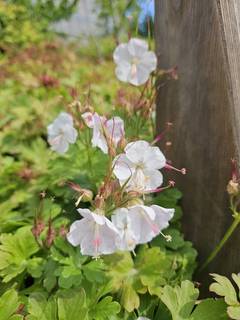
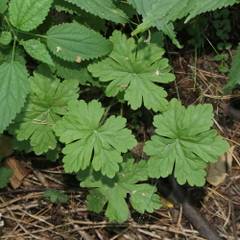
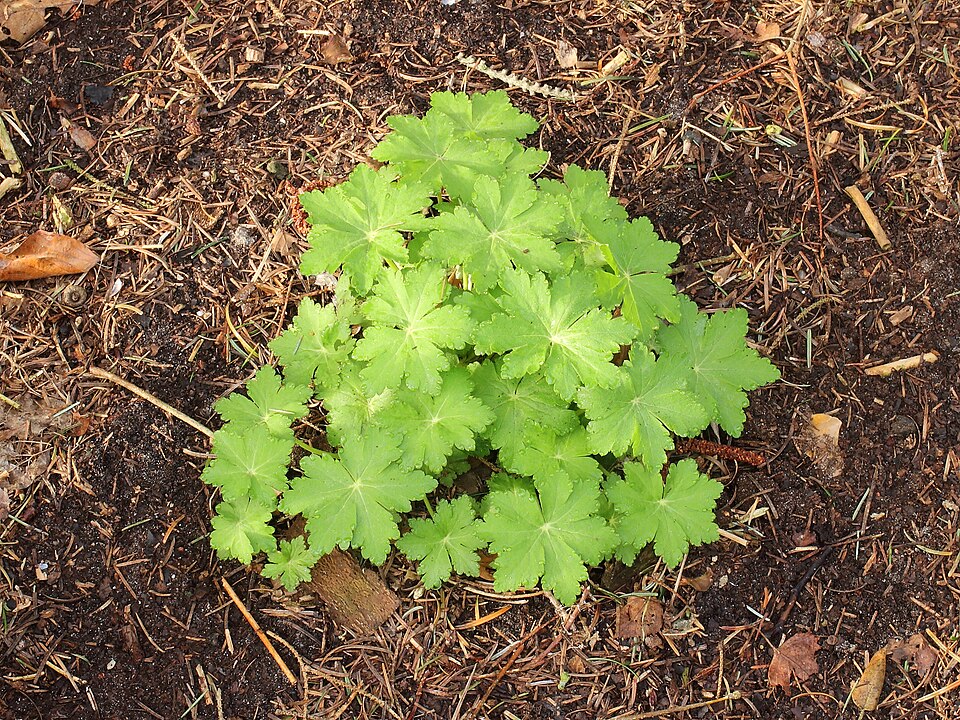
Geranium × cantabrigiense 'Karmina' is a hybrid hardy geranium growing 6-10 inches (15-25 cm) tall and spreading 18-24 inches (45-60 cm) wide, forming a dense weed-suppressing ground cover. Deep carmine-pink to raspberry-pink five-petaled flowers 1 inch (2.5 cm) across appear in profusion from May through July. The hybrid combines G. dalmaticum (low compact small-flowered) with G. macrorrhizum (vigorous aromatic spreading), producing a plant with the low habit and refined flower of the first parent and the vigor, fragrance, and spreading ability of the second. The deeply lobed bright green leaves are aromatic when crushed; a spicy resinous scent inherited from G. macrorrhizum that also discourages deer browsing. Fall foliage turns red-orange, adding a warm-season-end color display before the semi-evergreen leaves persist through mild winters. 'Karmina' has deeper, more saturated carmine-pink flowers than the species hybrid type, which tends toward lighter pink. The spreading rhizome forms a dense mat that suppresses weeds within 2 years. The hybrid tolerates a wide range of conditions: full sun to partial shade, clay to sandy soil, and periodic drought once established. The combination of ground-covering habit and three-season interest (flowers, foliage, fall color) supports many landscape uses.
Native Range
Geranium × cantabrigiense is a garden hybrid between G. dalmaticum (native to the Balkans) and G. macrorrhizum (native to southern Europe). The hybrid name 'cantabrigiense' references Cambridge, England, where the cross was first identified at the Cambridge University Botanic Garden.Suggested Uses
Used as a ground cover under roses, along path edges, at the front of borders, and in any area where a low dense weed-suppressing mat of aromatic foliage with spring flowers and fall color is needed. Container culture in pots of 3 gallons (11 liters) or more. A versatile landscape perennial for residential use.How to Identify
Appearance
Size & Dimensions
Height6" - 10"
Width/Spread1'6" - 2'
Bloom Information
Detailed Descriptions
Flower Description
Deep carmine-pink to raspberry-pinkFoliage Description
Bright green; deeply lobed; aromatic; turning red-orange in fallGrowing Conditions
Sun Requirements
Requires 4-8 hours of direct sunlight daily
• Full Sun: 6+ hours of direct sunlight
• Partial Shade: 3-6 hours of direct sunlight
• Full Shade: Less than 3 hours of direct sunlight
Care & Maintenance
Care Guide
Sited in full sun to partial shade with 4-8 hours of light. Average well-drained soil of any type, including clay. Fertilization is not used. Watered during establishment; drought-tolerant once rooted. Sheared by one-half after the main bloom to refresh the foliage mound. The spreading rhizome fills gaps within 2 years at 15-18 inch (38-45 cm) spacing.Pruning
Sheared by one-half after the main bloom in July to refresh the foliage and promote potential fall rebloom. Winter-tattered leaves are removed in early spring.Pruning Schedule
Prune: July
summer
Container Growing
Suitable for container growing
Minimum container size: 3 gallons