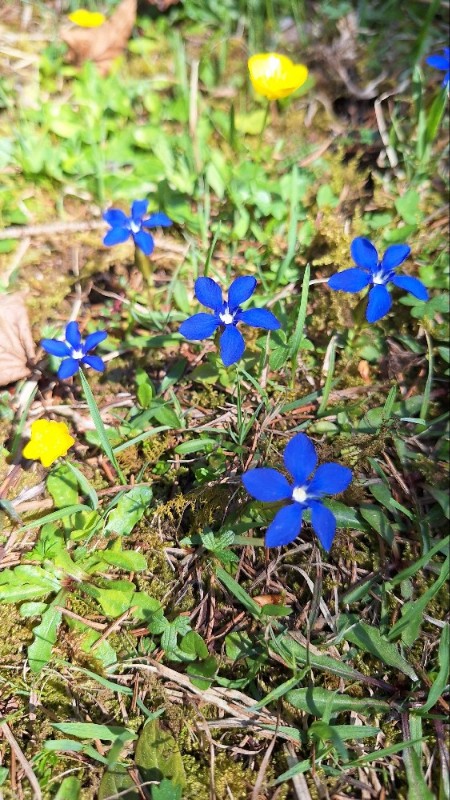
Gentiana, Genus, spp., Multiple species,
- Genus
- Multiple species
gentians
Temperate and alpine Northern Hemisphere
Overview
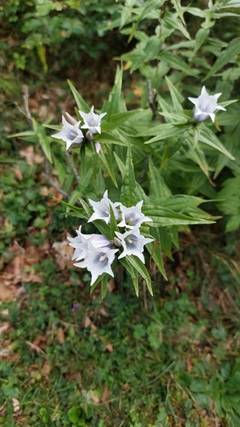
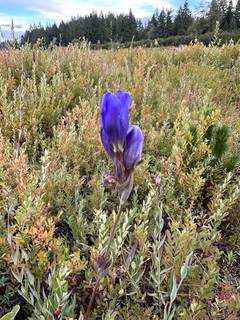
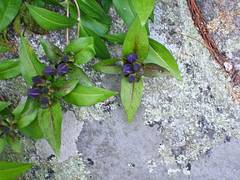
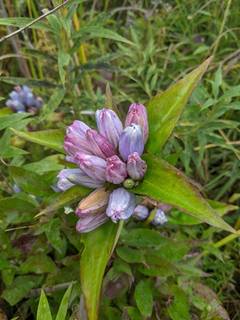
Gentiana is a genus of about 360 annual, biennial, and perennial herbs in the gentian family, found in temperate and alpine regions worldwide. Most are low, clump-forming perennials 2-24 inches (5-60 cm) tall, though some reach 3-4 feet (0.9-1.2 m). Stems are upright to trailing, set with paired, stalkless leaves that are lance-shaped to oval, 0.5-4 inches (1-10 cm) long, often in a basal rosette. The flowers are trumpet-, bell-, or funnel-shaped, 0.8-3 inches (2-8 cm) long, with five lobes and pleated folds between them, opening in strong sun and closing in dull weather. Flower color is most often deep blue, but ranges through violet, white, yellow, and red across the genus. Bloom comes in spring, summer, or autumn depending on species, with spring and autumn gentians flowering at opposite ends of the season. Many alpine species need cool, moist, sharply drained, acidic soil and transplant poorly, while meadow species are more adaptable. Plants are generally slow-growing and long-lived from a deep root system. Some species, such as G. lutea, have thick roots long harvested for bittering compounds used in medicine and drinks.
Native Range
The genus Gentiana is found through the temperate and alpine zones of the Northern Hemisphere and into the mountains of the tropics, with centers of diversity in the Himalayas, the mountains of China, and the European Alps. A smaller number of species occur in North America, northwestern Africa, and the southern Andes and New Zealand mountains. Plants grow in alpine meadow, moorland, grassland, bog margins, and open woodland, often on cool, moist slopes.Suggested Uses
Grown in rock gardens, alpine troughs, raised beds, and the front of cool, moist borders, spaced 8-12 inches (20-30 cm) apart. Spring and alpine species suit troughs and scree, while autumn species are grown in acidic peat beds for late-season blue. Larger species such as G. lutea are grown in herb and meadow plantings.How to Identify
Appearance
Size & Dimensions
Height2" - 4'
Width/Spread6" - 1'6"
Bloom Information
Bloom time varies widely by species. Spring gentians such as G. acaulis flower from April to June, summer species through midsummer, and autumn gentians such as G. sino-ornata from September into October. Each plant flowers for several weeks, and flowers open only in bright light. Cool, moist conditions lengthen the display, while heat shortens it.
Detailed Descriptions
Flower Description
deep blue, also violet, white, yellow, or redFoliage Description
greenGrowing Conditions
Sun Requirements
Requires 4-8 hours of direct sunlight daily
• Full Sun: 6+ hours of direct sunlight
• Partial Shade: 3-6 hours of direct sunlight
• Full Shade: Less than 3 hours of direct sunlight
Care & Maintenance
Care Guide
Most gentians grow in full sun to light shade in cool, moist, humus-rich, sharply drained soil, with many alpine and autumn species needing acidic conditions and failing in limy soil. Plants are slow to establish and are set young in their final position, as the deep roots transplant poorly. Steady moisture is needed through the growing season, especially for autumn species, while crowns rot in waterlogged winter soil. Little feeding is required, and lime or drought causes yellowing and decline. Slugs damage spring growth. Established clumps are long-lived and are divided or moved only with care in spring.Pruning
Little pruning is needed. Spent flower stems are cut back after bloom to tidy the plant, and old foliage is cleared in late autumn or early spring. Trailing autumn species can be lifted and divided in spring to renew growth and increase stock.Container Growing
Suitable for container growing
Minimum container size: 2 gallons