Gelidium, Genus, spp., Multiple species,
- Genus
- Multiple species
jellyweeds
Warm-temperate and tropical seas worldwide
WaterHigh
Overview
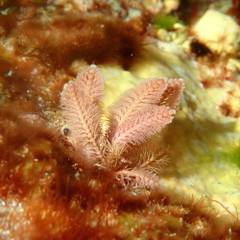
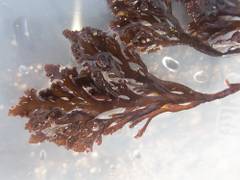
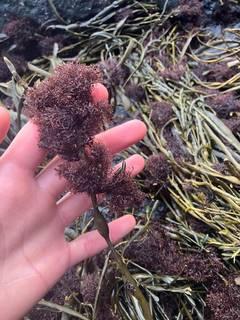
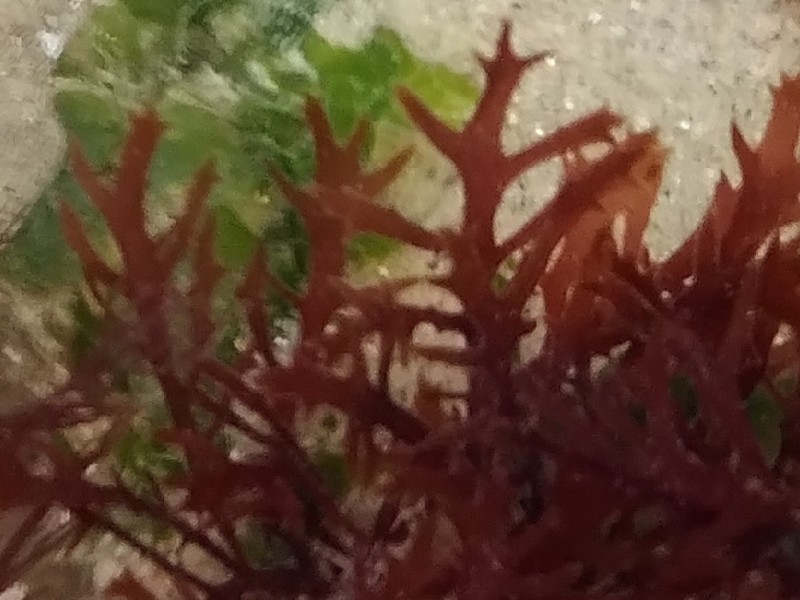
Gelidium is a genus of red seaweeds in the family Gelidiaceae, found on rocky shores and in shallow waters of warm-temperate and tropical seas. The thalli are tough, cartilaginous, and much-branched, dark red to purplish-brown or almost black, usually 1-12 inches (2.5-30 cm) tall depending on species. The main axes are flattened to cylindrical and bear regular rows of short, pinnate side branches, giving a stiff, feathery or comb-like outline. Gelidium attaches firmly to rock by a creeping holdfast and tolerates strong wave action and bright light on exposed shores. The genus is economically important as a leading source of agar, a gel extracted from the cell walls and used in food, in microbiology as a culture medium, and in many industrial products; wild Gelidium is harvested and dried for this purpose along several coasts. Reproduction follows the three-phase life cycle of red algae, with spores formed on the small branchlets, and the seaweed also spreads by regrowth from its tough creeping base. Growth is slow, which makes harvested beds slow to recover. The firm, comb-like branching and high-grade agar mark out the genus.
Native Range
Gelidium grows in warm-temperate and tropical seas worldwide, on rocky shores and in shallow water from the low intertidal into the subtidal zone, often on wave-exposed rock. It is harvested from wild beds on coasts of the Atlantic, Pacific, and Indian Oceans.Suggested Uses
Gelidium is a leading source of agar, used as a gelling agent in foods, as a common culture medium base in microbiology, and in cosmetics and other industries. Wild and farmed Gelidium is harvested and dried for agar production. The genus is studied in seaweed aquaculture and coastal management.How to Identify
Appearance
Bloom Information
Gelidium does not flower. It reproduces through the three-phase life cycle of red algae, with spores formed on the small side branchlets, and also spreads by regrowth from its tough creeping holdfast. Growth and reproduction are strongest in the warmer months.
Growing Conditions
Water & Climate
Water Needs