Gahnia, Genus, radula, Species,
- Genus & species
thatch saw-sedge
Overview
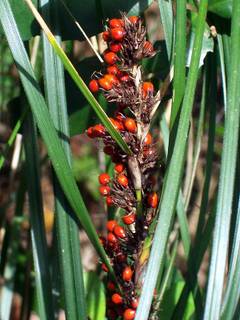
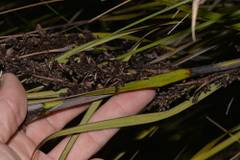
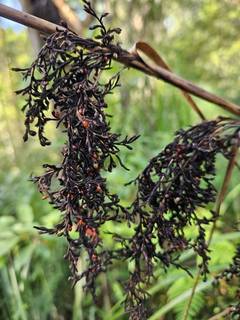
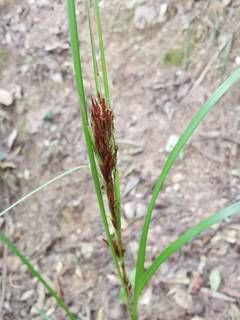
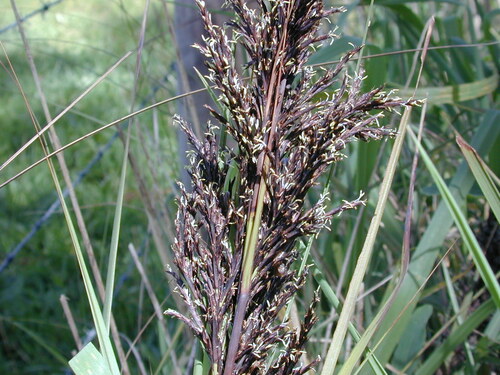
Gahnia radula is a tussock-forming sedge growing 24-40 inches (60-100 cm) tall in leaf, with flowering culms rising to 3-6 feet (1-2 m). Leaves are long, narrow, and inrolled, 0.1-0.2 inch (3-5 mm) wide, mid to dark green, with rough, sharp margins and tips that can cut skin. The leaf bases form a dense clump. Flowering culms are erect and bear branched, nodding panicles of small brown to reddish-brown flower clusters. After flowering, the plant produces hard, shining nuts that ripen orange-red to dark red, held within the old flower bracts. Flowering occurs mainly in spring. The clump grows from a short rhizome and slowly widens over several years. Growth is slow to moderate. Foliage is held year-round, with older leaves browning at the tips. The sharp leaf margins make the clump uncomfortable to handle. It tolerates seasonal waterlogging and dry periods and regrows from the base after fire.
Native Range
Native to south-eastern Australia, occurring in New South Wales, Victoria, Tasmania, and South Australia. Grows in heath, woodland, and open forest, often on sandy or clay soils in seasonally moist sites, gullies, and along drainage lines.Suggested Uses
Grown in native gardens, rain gardens, and revegetation of moist and seasonally wet sites, spaced 24-36 inches (60-90 cm) apart. Used for erosion control on drainage lines and as larval habitat for skipper butterflies. The clumping habit suits massed plantings and bush-garden borders.How to Identify
Appearance
Size & Dimensions
Height2' - 6'
Width/Spread2' - 4'
Bloom Information
Flowers mainly in spring, September to December, with the nodding brown panicles held on tall culms for several weeks. Hard nuts ripen through summer, turning orange-red to dark red, and persist on the old flower stems. Flowering varies with seasonal moisture and is heavier after fire.
Detailed Descriptions
Flower Description
brown to reddish-brownFoliage Description
mid to dark greenGrowing Conditions
Sun Requirements
Requires 4-10 hours of direct sunlight daily
• Full Sun: 6+ hours of direct sunlight
• Partial Shade: 3-6 hours of direct sunlight
• Full Shade: Less than 3 hours of direct sunlight
Care & Maintenance
Care Guide
Grows in full sun to part shade on sandy or clay soils that hold seasonal moisture, and tolerates both waterlogging and dry periods once established. Watering through the first growing season aids establishment. The clump widens slowly from a short rhizome and rarely needs division. Few pests trouble it, and the sharp leaves limit browsing. It regrows from the base after fire, and old, browned foliage can be cut back to renew the clump. Larvae of several skipper butterflies feed on the leaves.Pruning
Old, browned foliage can be cut back to near the base in late winter to renew the clump, after which fresh leaves emerge. The sharp leaf margins make trimming slow. No other routine pruning is needed.Pruning Schedule
Prune: August
winter
Container Growing
Suitable for container growing
Minimum container size: 5 gallons