Eriocephalus, Genus, spp., Multiple species,
- Genus
- Multiple species
Kapokbushes
Overview
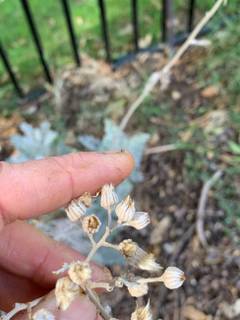
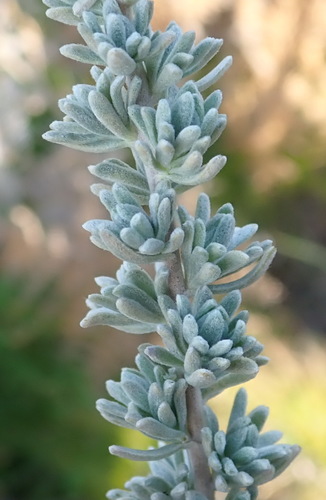
Eriocephalus is a genus of about 35 species of aromatic evergreen shrubs in the daisy family, native to southern Africa. Plants form rounded, much-branched bushes 0.3-1.5 m (1-5 ft) tall and wide, with small, grey-green, often needle-like leaves clustered along the stems and covered in dense silvery hairs. The leaves are strongly scented when crushed, and several species are harvested for their essential oils. Small daisy flower heads, white with a dark central disc, open in late autumn and winter, after which the seed heads develop a dense covering of white woolly hairs that gives the genus its common name kapokbush. Species grow in dry fynbos, karoo scrub, and rocky slopes, where the silvery foliage reduces water loss in full sun. The shrubs are short-lived, often 5-8 years, and decline in humid conditions and wet, heavy soil. Cut foliage of species such as E. africanus is used in floristry and herbal preparations.
Native Range
Eriocephalus is native to southern Africa, with most species concentrated in the winter-rainfall regions of the Western and Northern Cape of South Africa and extending into Namibia. Plants grow in fynbos, succulent karoo, and renosterveld on dry, stony ground.Suggested Uses
Eriocephalus is planted in dry, water-wise, and coastal gardens, in gravel beds, and as a low informal hedge in mild climates. The aromatic silvery foliage and woolly seed heads are cut for floristry. The winter flowers support bees and other insects.How to Identify
Appearance
Size & Dimensions
Height1' - 5'
Width/Spread1' - 5'
Bloom Information
Flowering occurs mainly in autumn and winter, around April-August in the Southern Hemisphere, when the small white daisy heads open across the canopy. The woolly white seed heads follow and remain conspicuous into spring. In Northern Hemisphere cultivation, bloom shifts to late autumn and winter.
Detailed Descriptions
Flower Description
white with dark centreFoliage Description
grey-greenGrowing Conditions
Sun Requirements
Requires 6-12 hours of direct sunlight daily
• Full Sun: 6+ hours of direct sunlight
• Partial Shade: 3-6 hours of direct sunlight
• Full Shade: Less than 3 hours of direct sunlight
Care & Maintenance
Care Guide
Eriocephalus grows in full sun on sharply drained sandy, gravelly, or rocky soils, including alkaline ground. Established plants tolerate drought and need watering only in prolonged dry spells, with winter rainfall suiting their natural cycle. A soil pH near 6.5-8.0 is tolerated. Plants withstand light frost to about -4 C (25 F) but are damaged by hard freezes and decline in humid summers or wet soil. Lean conditions keep growth dense, while rich soil and overwatering cause open, floppy stems. Plants are short-lived and renewed from cuttings.Pruning
A light trim after flowering keeps the bush dense and removes spent woolly seed heads. Cutting back by up to a third in early spring restores shape, though plants reshoot poorly from old leafless wood. Hard renovation is seldom successful.Container Growing
Suitable for container growing
Minimum container size: 3 gallons