Erigeron, Genus, annuus, Species,
- Genus & species
annual fleabane
SunFull Sun – Part Shade
Overview
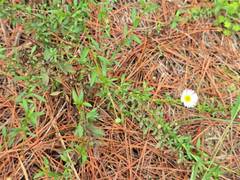
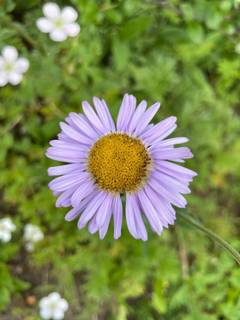
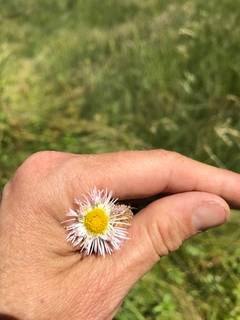
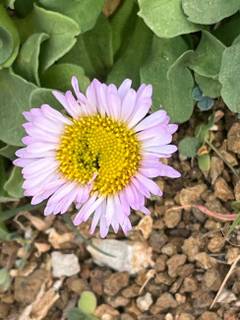
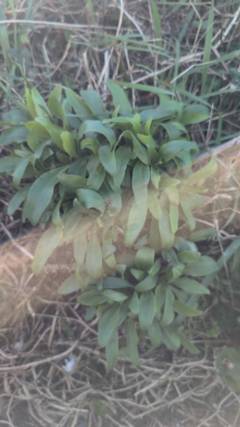
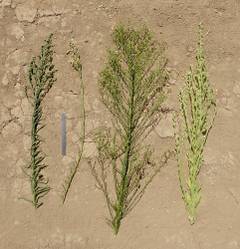
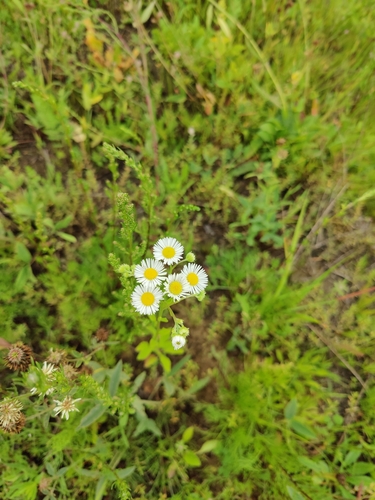
Erigeron annuus is an annual or short-lived biennial in the aster family, growing 1-5 feet (30-150 cm) tall on erect, branching, hairy stems. The lower leaves are oval and coarsely toothed on winged stalks, while the upper stem leaves are narrower and stalkless, all sparsely covered with spreading hairs. From early summer into autumn it produces numerous daisy-like flower heads 0.5-0.75 inch (12-20 mm) across, each with 80-125 very narrow white ray florets, sometimes tinged pink or pale blue, around a yellow central disc. A single robust plant can carry hundreds of heads in a branched, flat-topped array. Seeds form quickly and are wind-dispersed by a tuft of bristles, and the plant reproduces entirely by seed, often appearing in large numbers on disturbed ground. It grows in old fields, roadsides, gardens, and waste places, completing its life cycle in one or two seasons. Because it self-sows heavily, it can become weedy where it is left unchecked. The foliage and stems have a rough texture from the stiff hairs.
Native Range
Native to North America, where it occurs across much of the United States and southern Canada. It grows in meadows, prairies, and disturbed open ground. It has spread as a weed to Europe, Asia, and other temperate regions.Suggested Uses
Used in wildflower meadows, naturalized areas, and pollinator plantings where its summer-long bloom fills gaps. It suits informal settings rather than tidy borders because of its height and free seeding. It also appears as a volunteer in cultivated ground.How to Identify
Appearance
Size & Dimensions
Height1' - 5'
Width/Spread6" - 1'6"
Bloom Information
Blooms from early summer through autumn, roughly June to October, with peak flowering in midsummer. Individual heads last several days, and the long succession of new heads keeps a plant in bloom for many weeks. The flowers draw small bees, flies, and butterflies.
Detailed Descriptions
Flower Description
white with yellow centerFoliage Description
greenGrowing Conditions
Sun Requirements
Requires 6-12 hours of direct sunlight daily
• Full Sun: 6+ hours of direct sunlight
• Partial Shade: 3-6 hours of direct sunlight
• Full Shade: Less than 3 hours of direct sunlight
Water & Climate
Water Needs
Drought Tolerance
Drought tolerant when established
Care & Maintenance
Care Guide
Grows in full sun to light shade in average to dry soils and tolerates poor, compacted, and disturbed ground. It needs little water once seedlings are established and grows without fertilizing. Seed sown in autumn or early spring germinates readily, and plants often appear on their own where ground is bare. Because it self-sows freely, removing spent heads before seed set limits its spread. It has few pest problems but can host powdery mildew and aster yellows. Plants die after setting seed, so the display depends on a fresh generation each year.Pruning
Spent flower heads can be sheared off to reduce heavy self-seeding. Whole plants can be pulled once they finish flowering, as they will not regrow. No other pruning is needed.Pruning Schedule
Prune: July–August
summer
Toxicity
Non-toxicPlanting Guide
Planting Methods & Timing
Planting Method
direct sow
Direct Sow Timing
Autumn or early spring
Plant Spacing
12 inches