Equisetum, Genus, spp., Multiple species,
- Genus
- Multiple species
horsetails
Nearly worldwide except Australasia and Antarctica
Overview
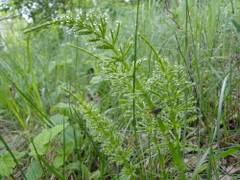
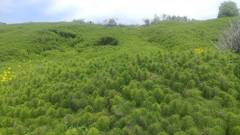
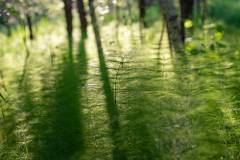
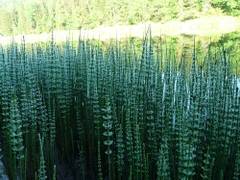
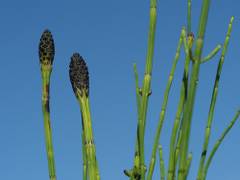
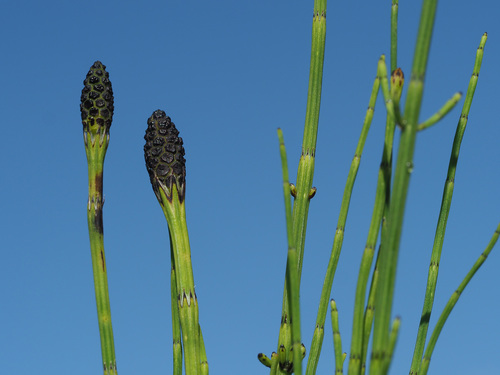
Equisetum is a genus of about 15 to 20 species of spore-bearing perennials in the family Equisetaceae, the sole surviving genus of a lineage that dominated the Carboniferous forests. Known as horsetails and scouring rushes, the plants produce no flowers or seeds, reproducing instead by spores and spreading widely by deep, branching rhizomes. The stems are hollow, jointed, and ridged, 1 to 6 feet (30 to 180 cm) tall, with the leaves reduced to small papery scales fused into a sheath at each node. In many species, whorls of slender green branches radiate from the joints, giving the bushy horsetail outline; in the scouring rushes the stems are unbranched and rush-like. Fertile stems carry a cone-like strobilus at the tip that releases green spores in spring. The stems are stiffened with silica, which once made them useful for scouring pots. The rhizomes penetrate deeply and regrow from fragments, making established colonies difficult to remove.
Native Range
Equisetum grows nearly worldwide, native across North and South America, Europe, Asia, and Africa, and absent only from Australasia and Antarctica. Species range from arctic wetlands to temperate streambanks, ditches, and damp woodland, with several native across North America.Suggested Uses
Horsetails are grown as architectural accents at pond and stream margins and in bog gardens, almost always in containers to check their spread. The vertical jointed stems are used in modern and minimalist plantings and as cut stems in arrangements. They suit rain gardens and damp problem spots where little else competes.How to Identify
Appearance
Size & Dimensions
Height1' - 6'
Width/Spread1' - 3'
Bloom Information
Horsetails do not flower. Spores are released in spring from cone-like strobili at the tips of fertile stems, after which the fertile shoots wither. In some species the fertile and sterile stems differ in form and appear at different times.
Detailed Descriptions
Foliage Description
green, with leaves reduced to scalesGrowing Conditions
Sun Requirements
Requires 4-6 hours of direct sunlight daily
• Full Sun: 6+ hours of direct sunlight
• Partial Shade: 3-6 hours of direct sunlight
• Full Shade: Less than 3 hours of direct sunlight
Care & Maintenance
Care Guide
Most Equisetum grow in full sun to part shade on consistently moist to wet soil across a wide pH range from 5.0 to 8.0, and tolerate poor, compacted, and periodically flooded ground. The genus is hardy across USDA zones 3 to 9 and needs no feeding. Plants spread fast by rhizome and can overrun beds and pond margins, so they are most often grown in submerged or sunken containers to contain the roots. Cutting the stems repeatedly through the season weakens but rarely eliminates an established stand. The silica content and thiaminase make the foliage toxic to grazing horses and livestock. Few pests or diseases affect the genus.Pruning
Cut Equisetum stems to the ground in late autumn or at any time to limit spread, removing fertile shoots before the cones shed spores. Repeated cutting through the season slowly drains the rhizome reserves. Pull or dig stray shoots that escape a container as soon as they appear.Pruning Schedule
Prune: November
fall
Container Growing
Suitable for container growing
Minimum container size: 3 gallons