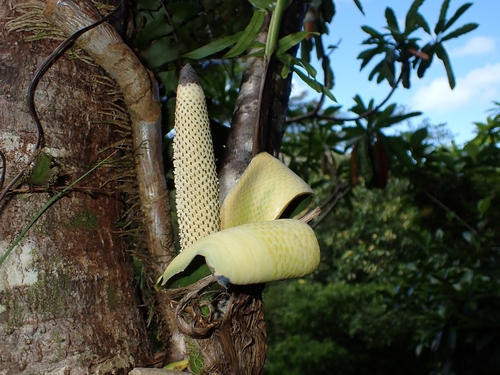
Epipremnum, Genus, spp., Multiple species,
- Genus
- Multiple species
pothos
Tropical Asia, New Guinea, and the western Pacific
Overview
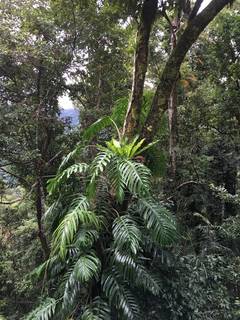
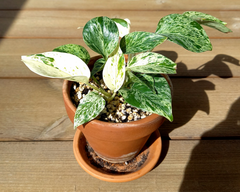
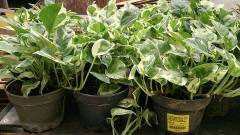
Epipremnum is a genus of about 15 species of evergreen climbing plants in the arum family Araceae, native to the rainforests of tropical Asia, New Guinea, and the western Pacific. The plants climb tree trunks by clinging aerial roots and can reach 30-65 feet (9-20 m) up a host in the wild, though as house plants they stay much smaller. The thick, glossy, heart-shaped leaves are 4-12 inches (10-30 cm) long on juvenile plants and become far larger and deeply lobed or perforated on mature climbing stems. E. aureum, known as pothos or devil's ivy, is grown worldwide as a trailing or climbing houseplant, with cultivars marbled or splashed in gold, white, or pale green. Flowers, a typical aroid spathe and spadix, rarely appear on cultivated plants and almost never on the juvenile forms usually grown. Plants tolerate low light and irregular watering, which makes them common indoor subjects, though growth is faster and leaves larger in bright, warm, humid conditions. All parts contain calcium oxalate crystals that cause burning and swelling of the mouth if chewed, so the plants are toxic to people and pets. In frost-free regions escaped plants can climb and smother native trees, and the genus is invasive in parts of the tropics.
Native Range
Epipremnum is native to tropical Asia, New Guinea, and the islands of the western Pacific, where the plants grow as climbers in warm, humid rainforest. E. aureum is thought to originate in French Polynesia and is now naturalized across the wet tropics worldwide.Suggested Uses
Grown chiefly as a trailing or climbing houseplant in pots, hanging baskets, and on moss poles, and as a foliage plant in offices and interior plantings. In frost-free climates it is used as a ground or tree cover in shade, where space allows for its spread. The marbled cultivars are kept for indoor foliage contrast.How to Identify
Appearance
Size & Dimensions
Height6' - 65'
Width/Spread1' - 3'
Bloom Information
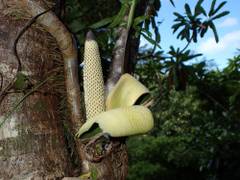
Flowering is rare in cultivation and seldom seen on the juvenile plants usually grown indoors. In the wild, mature climbing stems produce the typical aroid inflorescence of a green to cream spathe around a spadix. There is no reliable flowering season for plants grown as foliage subjects.
Detailed Descriptions
Flower Description
green to cream (rarely produced)Foliage Description
glossy green, often marbled gold, white, or creamGrowing Conditions
Sun Requirements
Needs bright indirect light. Keep it out of direct sun, which can scorch the leaves.
• Bright indirect light: a bright spot near a window, with no direct sun on the leaves
Care & Maintenance
Care Guide
Plants grow in bright, indirect light to fairly deep shade and tolerate a range of indoor conditions, which suits them to home and office culture. They need a freely draining potting mix kept lightly moist, with the surface allowed to dry between waterings, since soggy soil causes root rot. Warmth above 60°F (15°C) and moderate humidity give the fastest growth and largest leaves. The trailing stems can be left to hang or trained up a moss pole, where aerial roots cling and the leaves enlarge. All parts are toxic if chewed, which restricts placement near young children and pets. Outdoors the plants are limited to frost-free climates, where their vigorous climbing can become invasive.Pruning
Cut back long or bare stems at any time of year to keep a bushy shape, pruning just above a leaf node. The trimmed pieces root easily in water or moist mix to make new plants. Remove yellowing or damaged leaves as they appear.Container Growing
Suitable for container growing
Minimum container size: 2 gallons