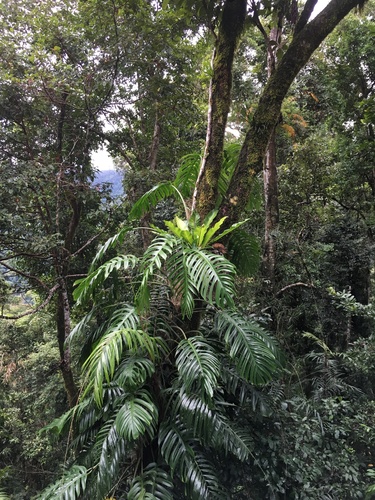
Epipremnum, Genus, pinnatum, Species,
- Genus & species
dragon tail plant
Southeast Asia, Oceania — Philippines, Malaysia, Indonesia, Papua New Guinea, northern Australia; tropical rainforest understory and canopy
Overview
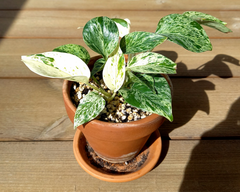
Epipremnum pinnatum is dragon tail plant (dragon tail pothos), an evergreen climbing aroid vine growing 48-96 inches (120-240 cm) indoors and up to 30-50 feet (9-15 m) in tropical outdoor settings. Dark green glossy leathery foliage. Juvenile leaves are entire (uncut), 4-8 inches (10-20 cm) long. Mature leaves develop deep pinnate splits (fenestrations), reaching 12-24 inches (30-60 cm) — the fenestrated mature form occurs only when the vine climbs a vertical support such as a moss pole or tree trunk. Without a climbing support, the leaves remain in the small juvenile entire form indefinitely — the primary limitation for indoor growers seeking the split-leaf form. In the aroid family (Araceae). Distinct from Epipremnum aureum (golden pothos): E. pinnatum develops pinnate (feather-like) splits while E. aureum develops holes (perforations). Aerial roots at each node for climbing. Green to yellowish-green aroid inflorescence (spathe and spadix) — rare in cultivation, occurs only on mature outdoor specimens. All Epipremnum contain calcium oxalate raphides — toxic to humans and pets if ingested (mouth and throat irritation, swelling). Tender: minimum indoor temperature 55°F (13°C). Zones 10-12 outdoors. Overwatering causes root rot — allow the top 1-2 inches (2.5-5 cm) of soil to dry between waterings. Part shade to bright indirect light. Growth rate is moderate to fast with a moss pole.
Native Range
Native to Southeast Asia and Oceania — Philippines, Malaysia, Indonesia, Papua New Guinea, and northern Australia. Found in tropical rainforest understory and canopy.Suggested Uses
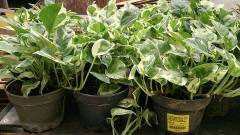
Grown as an indoor houseplant on a moss pole or trellis for fenestrated mature foliage. Bright indirect light. Well-drained soil. Allow top soil to dry between waterings. All parts toxic — keep away from children and pets. Zones 10-12 outdoors only.How to Identify
Appearance
Size & Dimensions
Height4' - 8'
Width/Spread3' - 6'
Bloom Information
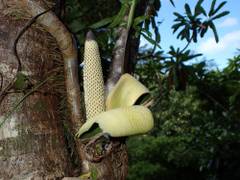
Rarely flowers in cultivation. Green to yellowish-green spathe with a spadix — typical aroid inflorescence. Occurs only on mature climbing specimens in tropical outdoor conditions.
Detailed Descriptions
Flower Description
Green to yellowish-green spathe with a spadix — typical aroid inflorescence; rare in cultivation; flowers only on mature climbing specimens outdoorsFoliage Description
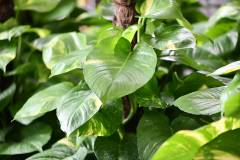
Dark green, glossy, leathery; juvenile leaves entire (uncut) 4-8 inches (10-20 cm); mature leaves develop deep pinnate splits (fenestrations) 12-24 inches (30-60 cm) — the fenestrated mature form is the cultivar's defining trait and occurs only when climbing a vertical supportGrowing Conditions
Sun Requirements
Requires 2-6 hours of direct sunlight daily
• Full Sun: 6+ hours of direct sunlight
• Partial Shade: 3-6 hours of direct sunlight
• Full Shade: Less than 3 hours of direct sunlight
Care & Maintenance
Care Guide
Part shade to bright indirect light (2-6 hours). Well-drained soil pH 5.5-7.0 — peat-based potting mix. Allow top 1-2 inches (2.5-5 cm) to dry between waterings. Overwatering causes root rot. A moss pole or vertical support is required for mature fenestrated leaves. Minimum temperature 55 degrees F (13 degrees C). All parts toxic — calcium oxalate. Zones 10-12 outdoors.Pruning
Trim leggy stems above a node — the stem branches below the cut. Remove yellowed or damaged leaves at the petiole base. Direct aerial roots into a moss pole or trim if unwanted. No seasonal pruning schedule.Container Growing
Suitable for container growing
Minimum container size: 3 gallons