Dracaena, Genus, trifasciata, Species,
- Genus & species
Snake plant
Tropical West Africa (Nigeria to the Congo region)
Overview
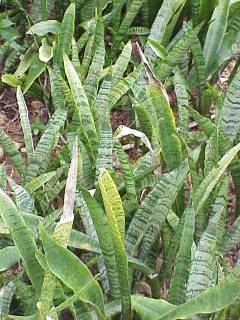
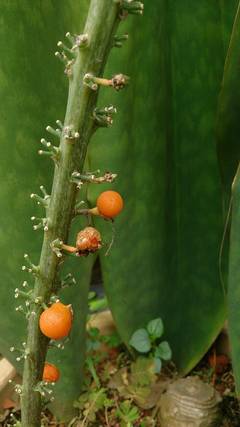
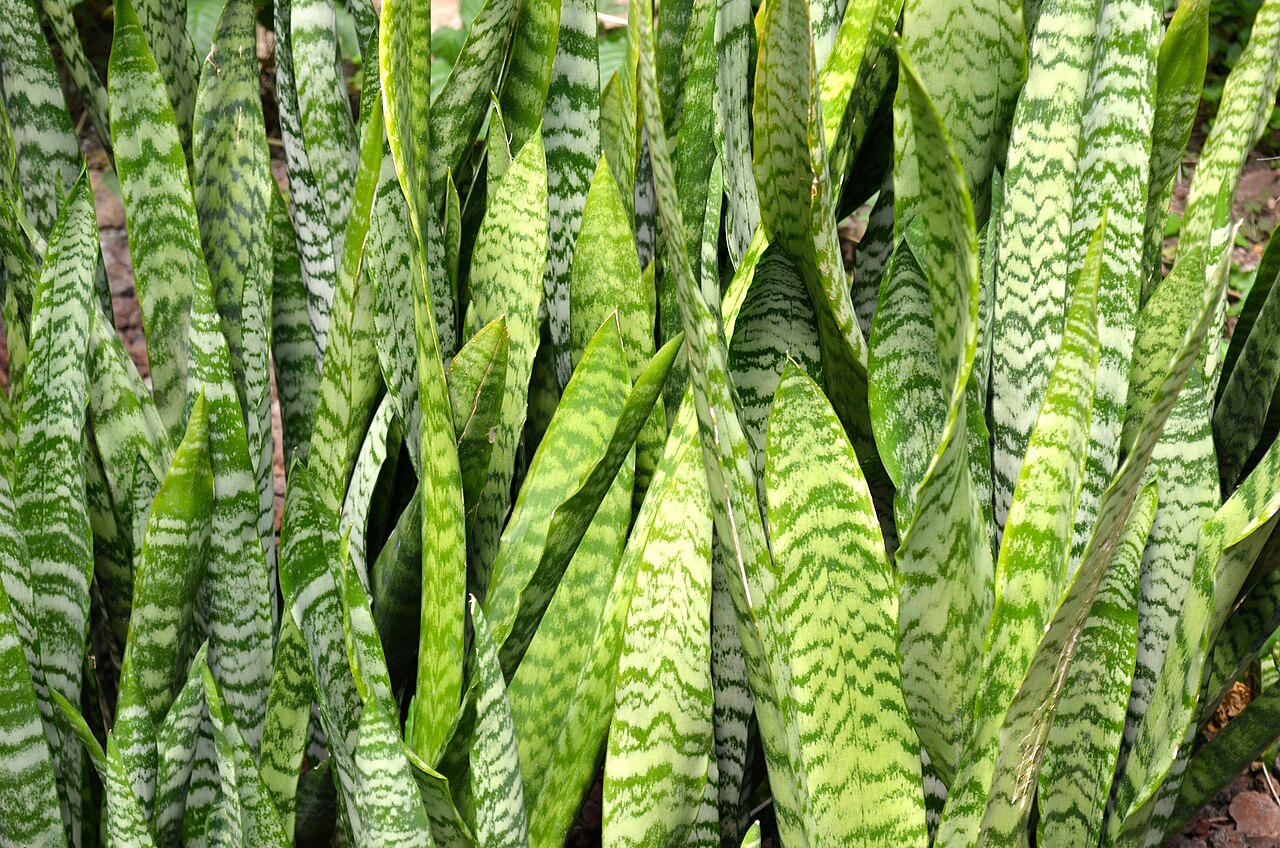
Dracaena trifasciata is an evergreen, rhizomatous perennial in the family Asparagaceae, native to tropical West Africa from Nigeria to the Congo region; it was formerly classified as Sansevieria trifasciata. Plants form clumps 2–4 feet (60–120 cm) tall and 1–2 feet (30–60 cm) wide from thick, creeping rhizomes. Leaves are stiff, erect, sword-shaped, 1.5–4 feet (45–120 cm) long and 2–3 inches (5–8 cm) wide, dark green with irregular, pale gray-green horizontal bands, and hold water in fleshy tissue. Flowers are greenish white, 0.5–1 inch (1.2–2.5 cm) long, and fragrant at night, borne in racemes 1–2 feet (30–60 cm) tall in spring; flowering is rare in indoor plants. Fruit is an orange berry. Plants are hardy outdoors only in USDA zones 10–11 and are grown indoors elsewhere. Roots and rhizomes rot in waterlogged soil, and leaves are damaged by temperatures below 50°F (10°C). Leaves contain saponins that cause vomiting and drooling when eaten by cats and dogs.
Native Range
Native to tropical West Africa, from Nigeria eastward to the Congo region, where it grows in dry forest understory and on rocky ground. Grown as a houseplant worldwide and as a landscape plant in frost-free regions.Suggested Uses
Grown as a houseplant in containers of 1–5 gallons and as a ground-level accent in frost-free landscapes, spaced 12–24 inches (30–60 cm) apart. Leaves tolerate low light and dry indoor air. Toxicity to cats and dogs and sensitivity to cold and wet soil limit use in some households and climates.How to Identify
Appearance
Size & Dimensions
Height2' - 4'
Width/Spread1' - 2'
Bloom Information
Flowers open in spring in racemes 1–2 feet (30–60 cm) tall, and individual flowers open in the evening and are fragrant at night. Flowering is rare in indoor plants and occurs more often on mature, root-bound plants in bright light. Racemes remain in flower for 1–2 weeks. Fruit is an orange berry.
Detailed Descriptions
Foliage Description
Dark green with pale gray-green bandsGrowing Conditions
Sun Requirements
Tolerates up to 6 hours of direct sunlight daily
• Full Sun: 6+ hours of direct sunlight
• Partial Shade: 3-6 hours of direct sunlight
• Full Shade: Less than 3 hours of direct sunlight
Care & Maintenance
Care Guide
Growth is steadiest in bright indirect light to part shade, and plants tolerate low light with slower growth. Soil is fast-draining, such as a cactus mix, with pH 5.5–7.5. Water is applied every 2–3 weeks in summer and monthly in winter, allowing the top 2 inches (5 cm) of soil to dry between applications. Cold hardiness is USDA zones 10–11, and temperatures below 50°F (10°C) damage leaves. Overwatering causes rhizome rot, which is the most common cause of plant loss. Plants are repotted every 3–5 years when rhizomes fill the container.Pruning
Little pruning is required. Damaged or dead leaves are cut at the soil line with a clean blade. Leaf cuttings 3–4 inches (8–10 cm) long root in 4–8 weeks, although variegated cultivars lose their leaf markings when propagated by leaf cuttings. Clumps are divided by rhizome in spring.Pruning Schedule
Prune: March–April
early spring
Container Growing
Suitable for container growing
Minimum container size: 1 gallons