Dracaena, Genus, spp., Multiple species,
- Genus
- Multiple species
dragon trees
Tropical Africa, southern Asia, Madagascar, and the Canary Islands
Overview
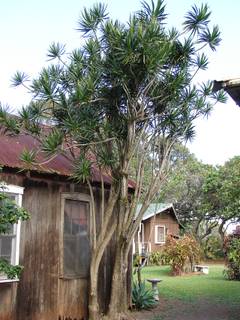
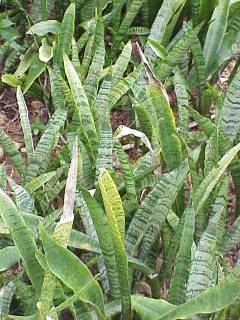
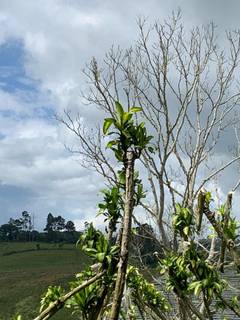
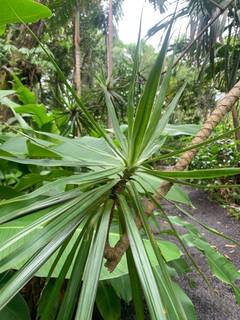
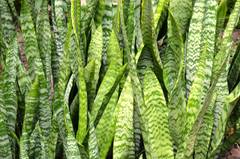
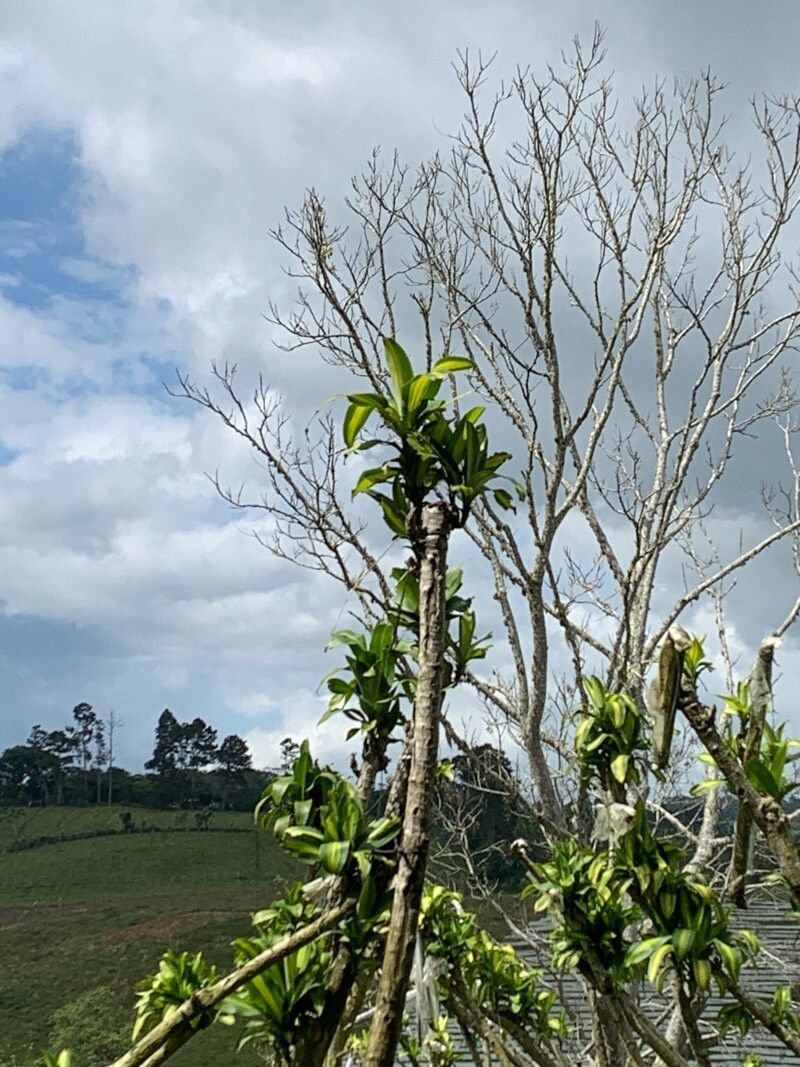
Dracaena is a genus of about 120 species of evergreen, woody-stemmed plants in the family Asparagaceae, native to tropical Africa, southern Asia, Madagascar, northern Australia, and the Canary Islands. Recent classification has brought the snake plants, formerly Sansevieria, into the genus. Growth forms range from stout, branching trees such as the dragon tree D. draco, which can reach 40 feet (12 m) over centuries, to small shrubs and stemless succulents with stiff, upright leaves. The leaves are typically long and strap-shaped, arranged in rosettes or spirals, and in many cultivated kinds are striped or edged in cream, yellow, or red. Small white to greenish flowers are carried in branched clusters and are night-scented, but plants in cultivation flower only occasionally. Some species, including D. draco, ooze a red resin known as dragon's blood when the bark is cut. Many species tolerate low light and dry air, which makes them common indoor plants, though all are slow-growing. The leaves and sap contain saponins that are toxic to cats and dogs if chewed.
Native Range
Dracaena is native to the tropics and subtropics of Africa, southern Asia, Madagascar, northern Australia, and Macaronesia, including the Canary Islands. Species grow in dry woodland, rocky slopes, and forest understorey.Suggested Uses
Dracaena species are grown as houseplants, office and interior plants, and, in frost-free climates, as garden shrubs and small trees. Upright cane-forming kinds are used as floor specimens, while snake plants suit low-light spots. The dragon tree and its relatives are planted as feature trees in Mediterranean and desert gardens.How to Identify
Appearance
Size & Dimensions
Height1' - 40'
Width/Spread1' - 20'
Bloom Information
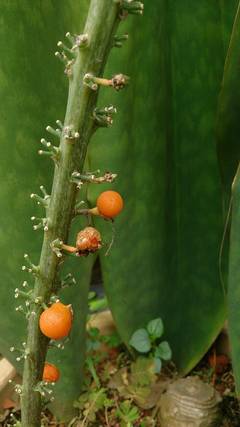
Flowering is irregular in cultivation and may take many years; in the wild, branched sprays of small white to greenish flowers open mainly in the warm season. The flowers are scented at night and pollinated by moths and other insects. Berries follow, ripening orange or red.
Detailed Descriptions
Flower Description
White to greenish, scentedFoliage Description
Green, often variegated or red-marginedGrowing Conditions
Sun Requirements
Needs bright indirect light. Keep it out of direct sun, which can scorch the leaves.
• Bright indirect light: a bright spot near a window, with no direct sun on the leaves
Care & Maintenance
Care Guide
Grow Dracaena in bright, indirect light to partial shade in well-drained soil, as houseplants in most climates and outdoors only where frost is absent. Water moderately and let the soil dry partly between waterings, since soggy soil leads to root rot. Most species are damaged below about 50°F (10°C) and are hardy outdoors only in USDA zones 9 to 12. Many tolerate the low light and dry air of indoor rooms, but leaf tips brown in very dry conditions or with fluoride and salt build-up in the soil. The leaves and sap are toxic to cats and dogs, a concern in homes with pets. Growth is slow, and plants are long-lived with little routine care.Pruning
Dracaena is pruned by cutting back tall or bare canes, which then resprout from below the cut. Lower leaves yellow and drop with age and are removed to keep stems tidy. Cut canes can be rooted to make new plants.Container Growing
Suitable for container growing
Minimum container size: 2 gallons