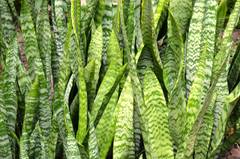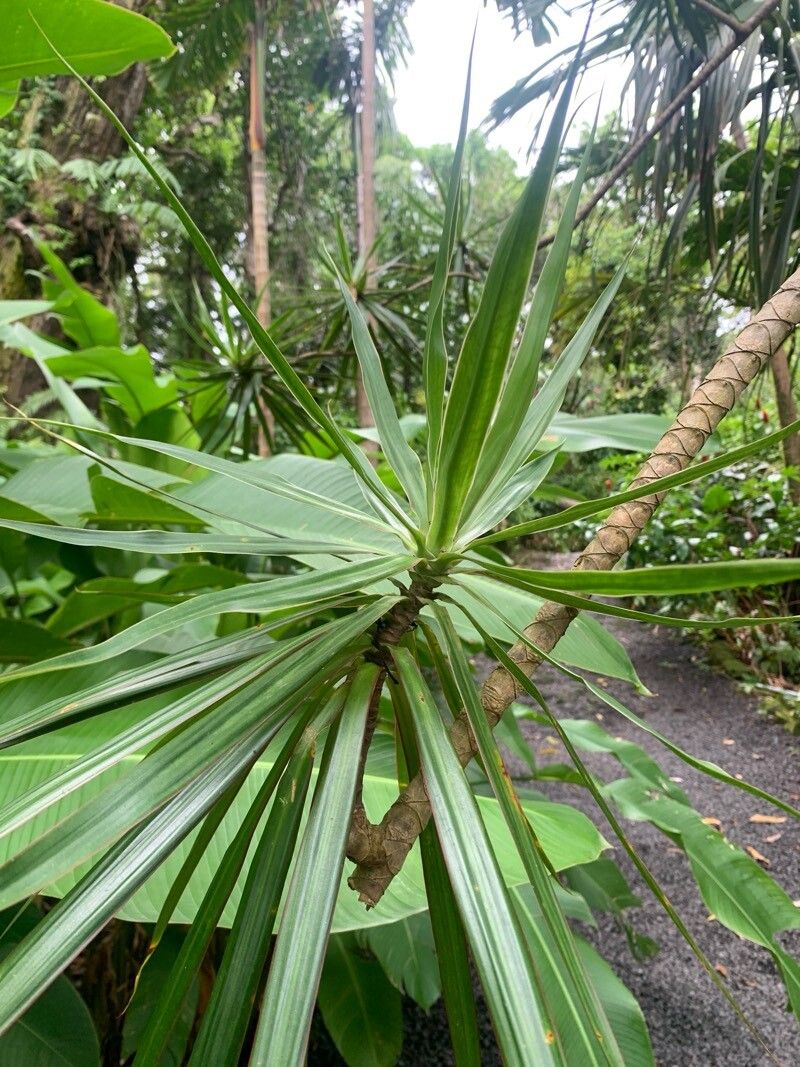
Dracaena, Genus, reflexa, Species,
- Genus & species
song of india
Madagascar, Mauritius, western Indian Ocean islands
Overview
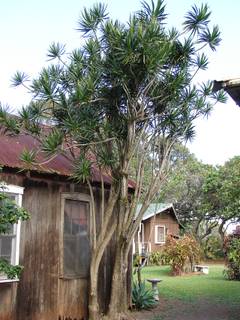
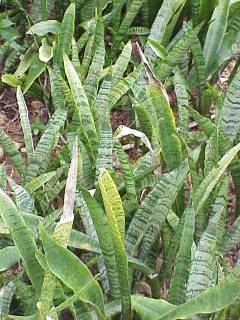
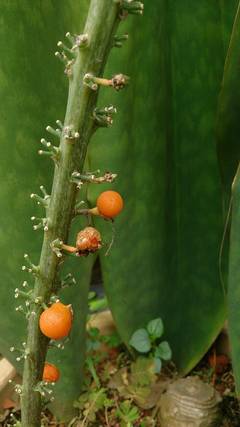
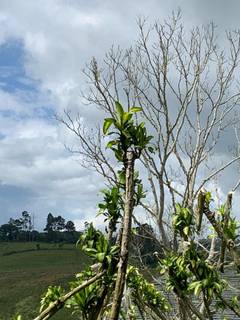
Dracaena reflexa is an evergreen shrub or small tree in the asparagus family (Asparagaceae), reaching 120-240 inches (300-600 cm) tall and 36-96 inches (90-240 cm) wide in tropical landscapes, and routinely held to 24-72 inches (60-180 cm) as a houseplant. Slender lance-shaped leaves 5-8 inches (13-20 cm) long are arranged in dense whorls that recurve downward at maturity; the cultivar 'Song of India' is the form most commonly sold and shows yellow margins on dark green leaves. Stems branch sparsely, producing the columnar to candelabra silhouette of mature plants. Small white to pale green flowers in panicles 12-24 inches (30-60 cm) long appear on mature plants in tropical conditions, followed by orange-red berries 0.25 inch (6 mm) across; flowering is rare on indoor specimens. Native to Madagascar, Mauritius, and other islands of the western Indian Ocean. Foliage and stem sap contain saponins that are toxic to dogs and cats if chewed, causing vomiting, drooling, dilated pupils in cats, and loss of appetite; mildly toxic to humans on ingestion. Hardy outdoors only in zones 10-11; leaf damage occurs below 50°F (10°C) and the plant is killed by frost. Slow-growing — 4-12 inches (10-30 cm) per year indoors. Tolerates low light at the cost of muted variegation and sparser growth.
Native Range
D. reflexa is native to Madagascar, Mauritius, and other islands of the western Indian Ocean, where it grows in dry coastal forest and rocky hillsides at low elevation. Naturalized in parts of Florida and the Caribbean, and in Hawaii.Suggested Uses
Grown as a long-lived indoor foliage plant in any zone, in containers of 1-7 gallons (4-26 L) sized to the plant. Used outdoors in zones 10-11 as a hedge or specimen at 36-60 inch (90-150 cm) spacing in part to full sun. Toxic to dogs and cats if chewed.How to Identify
Appearance
Size & Dimensions
Height2' - 20'
Width/Spread3' - 8'
Bloom Information
Flowering is rare on indoor and container plants. Outdoor mature specimens in zones 10-11 produce panicles of small white to pale green flowers 12-24 inches (30-60 cm) long in summer, followed by orange-red berries 0.25 inch (6 mm) across. Indoor plants are grown for foliage rather than flowers.
Detailed Descriptions
Flower Description
White to pale green; rare on indoor specimensFoliage Description
Dark green; 'Song of India' shows yellow marginsGrowing Conditions
Sun Requirements
Requires 2-6 hours of direct sunlight daily
• Full Sun: 6+ hours of direct sunlight
• Partial Shade: 3-6 hours of direct sunlight
• Full Shade: Less than 3 hours of direct sunlight
Care & Maintenance
Care Guide
Bright indirect light brings out the strongest yellow variegation in 'Song of India'; tolerates low light at the cost of muted variegation and slower growth. Soil pH 6.0-7.5, well-drained, with the top 1-2 inches (2.5-5 cm) of soil dried between waterings. Tap water with high fluoride or chlorine causes leaf-tip browning over months; rainwater or distilled water reduces tip burn. Spider mites and scale insects occur on indoor plants in dry conditions. Foliage and sap are toxic to dogs and cats and mildly toxic to humans if chewed. Outdoor plants tolerate temperatures to 50°F (10°C); leaf damage and dieback follow at lower temperatures.Pruning
Cut tall stems back to any point on woody growth in spring or summer; new shoots emerge 2-4 inches (5-10 cm) below the cut within 4-8 weeks. Remove yellowing lower leaves by pulling them downward off the stem when they detach freely. Cut sections of stem 4-12 inches (10-30 cm) long root readily in moist potting mix.Container Growing
Suitable for container growing
Minimum container size: 1 gallons