Image 1 of 2
1 / 2
Plant Reference
Dracaena, Genus, marginata, Species,
- Genus & species
dragon tree
Madagascar — eastern rainforests and central highlands
Overview
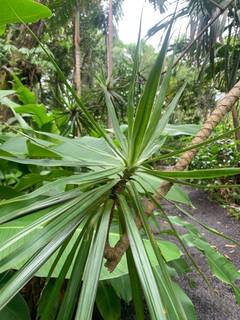
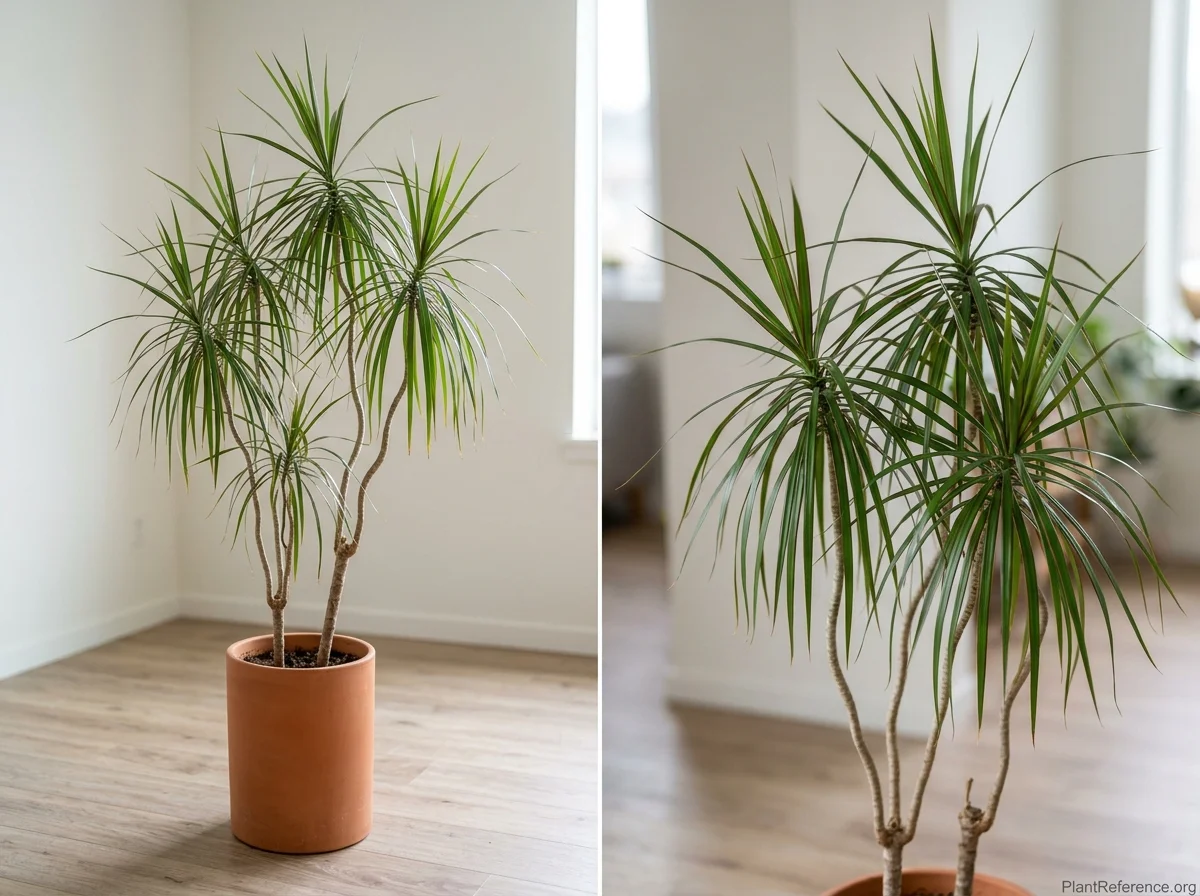
Dracaena marginata is an evergreen tree from Madagascar grown almost exclusively as an indoor specimen, reaching 48–120 inches (120–300 cm) tall and 24–48 inches (60–120 cm) wide in container culture. The foliage is composed of narrow sword-shaped leaves 12–18 inches (30–45 cm) long and 0.5–0.75 inch (12–19 mm) wide, dark green at the center with a thin red-purple margin running the full length of each leaf; the species epithet 'marginata' translates as 'with a margin' and refers to this red edge. Leaves are clustered in 6–10 inch (15–25 cm) terminal rosettes at the tips of slender gray trunks 0.5–1.5 inches (1–4 cm) thick that bend, twist, and lean as the plant ages, producing the sculptural multi-stem silhouette that defines the species. New rosette heads emerge below any cut on the trunk, so older plants can be reshaped by topping the trunk at the desired height: cut stems push 2–4 new heads within 6–10 weeks. Flower production is rare in container culture; the foliage and trunk form carry the year-round display. The genus name Dracaena translates as 'female dragon' from Greek and refers to the red resin ("dragon's blood") produced by some Canary Island species. Cultural failure modes are well-documented: brown leaf tips develop within 3–6 months on plants watered with fluoridated tap water, and root rot follows soil that stays wet at the base of the pot. The plant tolerates low light, dry indoor air, and 2–3 week irrigation gaps better than most large foliage houseplants. All parts contain saponins toxic to dogs and cats; ingestion can cause vomiting, drooling, and depressed appetite.
Native Range
Dracaena marginata is native to Madagascar, where it grows as an understory and forest-edge tree in the eastern rainforests and central highlands of the island.Suggested Uses
Used as a sculptural floor specimen for living rooms, entryways, offices, and lobbies in containers of 5 gallons (19 liters) or larger. The slender twisting trunks suit modern and minimalist interiors. Combines with smaller foliage houseplants such as Calathea cultivars and Philodendron hederaceum for mixed indoor plantings.How to Identify
Appearance
Size & Dimensions
Height4' - 10'
Width/Spread2' - 4'
Colors
Bloom Information
Flowers rarely in container culture; specimens grown outdoors in tropical climates produce small fragrant white flowers in panicles. Indoor plants are grown for the foliage and trunk form, which is the year-round display.
Detailed Descriptions
Flower Description
Small fragrant white flowers in panicles (rare in container culture)Foliage Description
Dark green narrow sword-shaped leaves 12-18 inches (30-45 cm) long with a thin red-purple margin running the full leaf length, in 6-10 inch (15-25 cm) terminal rosettesGrowing Conditions
Sun Requirements
Requires 4-6 hours of direct sunlight daily
• Full Sun: 6+ hours of direct sunlight
• Partial Shade: 3-6 hours of direct sunlight
• Full Shade: Less than 3 hours of direct sunlight
Care & Maintenance
Care Guide
Place in bright indirect light; the plant tolerates low light at 50–100 foot-candles but loses leaves and stops growing below that level, and direct sun above 4 hours scorches the foliage. Water when the top half of the soil volume has dried; pot weight is the most reliable indicator. Use filtered, distilled, or rainwater rather than fluoridated tap water, since the species concentrates fluoride in leaf tips and develops brown tip dieback within 3–6 months on tap water. Soil mix should be free-draining (peat-based potting mix amended with 25–30 percent perlite or pumice). Feed at half the label rate with a balanced liquid fertilizer monthly during active growth (spring through early autumn) and skip feeding in winter. Repot every 2–3 years; the plant tolerates root-bound conditions and grows slowly when crowded.Pruning
Remove yellowing lower leaves at the base of the rosette by hand or with clean scissors. To shape or reduce a leggy specimen, cut the trunk at any height with clean pruners; 2–4 new rosette heads emerge from the trunk below the cut within 6–10 weeks. Cuttings root in water or moist potting mix in 4–6 weeks for new plants.Container Growing
Suitable for container growing
Minimum container size: 5 gallons