Dipsacus, Genus, pilosus, Species,
- Genus & species
small teasel
Overview
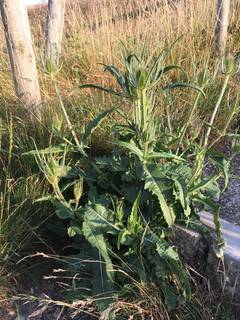
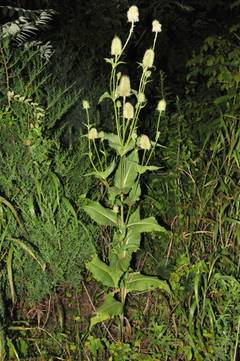
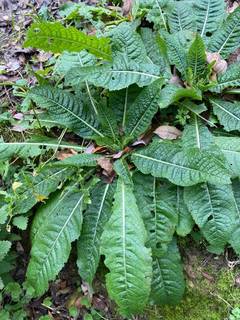
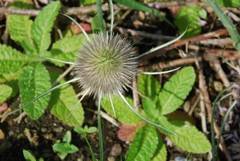
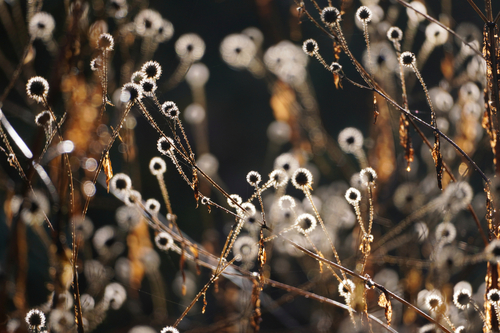
Dipsacus pilosus is a tall biennial of damp, shaded ground that forms a leafy rosette in its first year and flowers in its second, reaching 24-48 inches (60-120 cm). The first-year leaves are oval and stalked; the second-year stems are ridged, bristly, and branched, bearing paired leaves that are sometimes lobed at the base. Unlike the common teasel D. fullonum, its flower heads are small and rounded, about 0.6-0.9 inch (15-25 mm) across, rather than large and egg-shaped. Each head is packed with tiny whitish flowers tipped with dark anthers and surrounded by narrow, spreading bracts. The plant grows along streamsides, woodland edges, ditches, and shaded hedgerows on damp, fertile soils across much of Europe and into western Asia. After flowering in late summer the whole plant dies, having set abundant seed in dry, spiny heads. The seeds feed finches and other birds through autumn and winter. Its small, round, pale heads and woodland-edge habitat separate it from the larger, lilac-flowered common teasel of open ground. It can appear in shaded, disturbed corners where its rosettes establish in bare, moist soil.
Native Range
Native to much of Europe and into western Asia. It grows along streamsides, woodland margins, ditches, and shaded hedgerows on damp, fertile soils.Suggested Uses
Grown in wildlife gardens, damp woodland edges, and shaded naturalistic plantings for its seed heads and value to birds. The dried heads are used in arrangements. It supports finches and pollinating insects in informal, moist settings.How to Identify
Appearance
Size & Dimensions
Height2' - 4'
Width/Spread1'6" - 2'6"
Bloom Information
Rounded heads of whitish flowers open from July to August in the plant's second year. Each head flowers over one to two weeks and is visited by bees and hoverflies. Dry, spiny seed heads follow and persist into winter.
Detailed Descriptions
Foliage Description
greenGrowing Conditions
Sun Requirements
Requires 3-8 hours of direct sunlight daily
• Full Sun: 6+ hours of direct sunlight
• Partial Shade: 3-6 hours of direct sunlight
• Full Shade: Less than 3 hours of direct sunlight