Diplacus, Genus, longiflorus, Species,
- Genus & species
southern bush monkeyflower
Southern California and northern Baja California
Overview
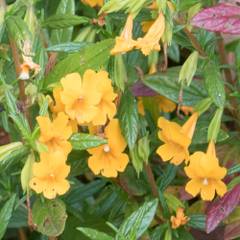
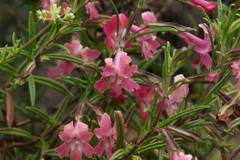
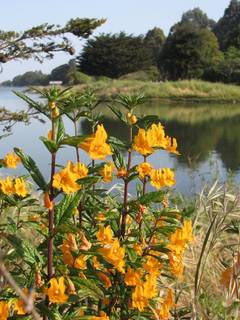
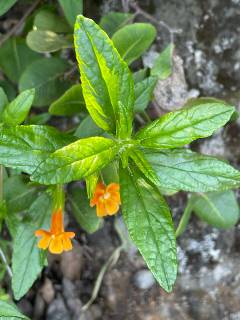
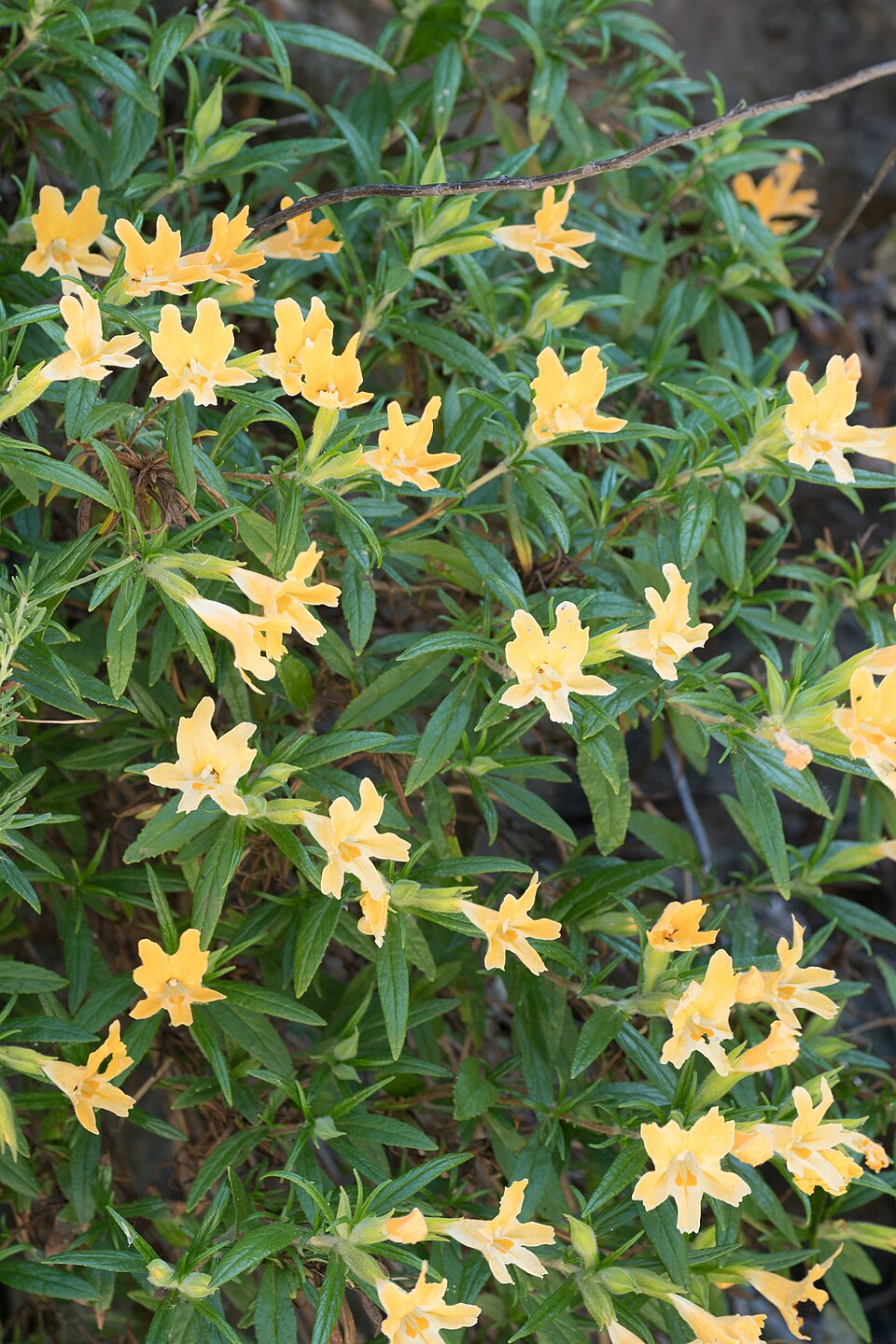
Diplacus longiflorus, the southern bush monkeyflower, is an evergreen to semi-evergreen subshrub of southern California and Baja California, reaching 2-4 feet (0.6-1.2 m) tall and as wide with slender, sticky-stemmed branches. The narrow, lance-shaped leaves are 1-3 inches (2.5-7.6 cm) long, dark green above and paler below, with rolled-under edges and a sticky, resinous surface. From spring into summer, tubular two-lipped flowers 1.5-2 inches (3.8-5 cm) long open along the stems, ranging from pale yellow and cream through buff to orange, with a flaring mouth and a hinged stigma that closes when touched. The flowers draw hummingbirds and native bees. It is hardy in USDA zones 8-10 and grows on dry slopes, canyon walls, and chaparral, going partly summer-dormant in drought. The plant is short-lived, often three to five years, and becomes woody and sparse with age, which calls for renewal in a planting.
Native Range
Diplacus longiflorus is native to southern California and northern Baja California, Mexico, in the coastal and inland mountains and foothills. It grows in chaparral, coastal sage scrub, and on rocky canyon slopes below about 5,000 feet (1,500 m).Suggested Uses
Used in California native gardens, dry banks, rock gardens, and containers as a hummingbird nectar source. It suits coastal sage scrub and chaparral restoration and low-water borders.How to Identify
Appearance
Size & Dimensions
Height2' - 4'
Width/Spread2' - 4'
Bloom Information
Detailed Descriptions
Flower Description
cream to orangeFoliage Description
dark greenGrowing Conditions
Sun Requirements
Requires 4-8 hours of direct sunlight daily
• Full Sun: 6+ hours of direct sunlight
• Partial Shade: 3-6 hours of direct sunlight
• Full Shade: Less than 3 hours of direct sunlight
Care & Maintenance
Care Guide
Grows in full sun near the coast and in part shade inland on sharply drained, rocky or sandy soils. Established plants need little summer water and can rot if irrigated heavily in heat. A soil pH of 6.0-7.5 suits the species. Light summer water keeps foliage fuller and extends bloom, while none brings on partial summer dormancy. The sticky foliage sheds in drought and returns with fall and winter rain. The short life span means plants are often replaced every few years.Pruning
Pinching young growth in the first year builds a denser, bushier form. Light shearing after the main bloom removes spent flowers and tidies the open habit. Hard cutting into old bare wood regrows slowly, so renewal is gradual.Pruning Schedule
Prune: July–August
summer
Container Growing
Suitable for container growing
Minimum container size: 3 gallons