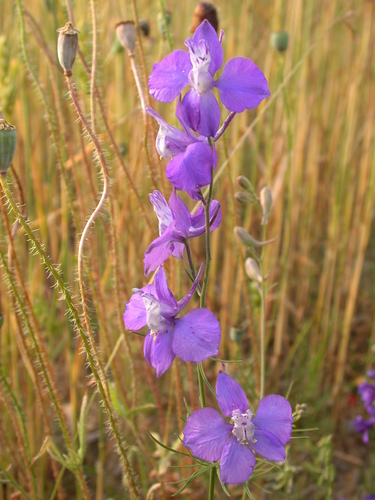
Delphinium spp., delphinium
1 / 2
Perennials

Delphinium spp.

delphinium

RanunculaceaeNorth America, Europe, Asia, Africa

At a Glance

TypePerennial
HabitUpright
FoliageDeciduous
Height12–72 inches (30–180 cm)
Width12–24 inches (30–60 cm)
Maturity2 years

Growing Zones

USDA Hardiness Zones

3 - 8
Zone 3
Zone 4
Zone 5
Zone 6
Zone 7
Zone 8
These zones indicate the coldest temperatures this plant can typically survive.
Frost Tolerancehardy

Key Features

Attracts Pollinators
Attracts Butterflies
Attracts Hummingbirds
Deer Resistant
Native to North America
Maintenancehigh

Overview

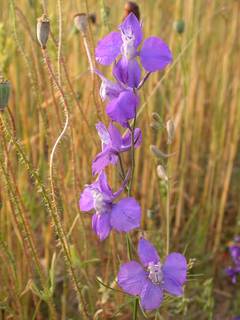
Delphinium is a genus of approximately 300 species of annual and perennial flowering plants in the family Ranunculaceae, native throughout the Northern Hemisphere and into the high mountains of tropical Africa. Plants are characterized by deeply lobed, palmate leaves and tall, erect racemes of bilaterally symmetrical flowers with five petal-like sepals, the uppermost forming a prominent hollow spur, in shades of blue, purple, pink, red, white, or yellow. Hybrid perennial delphiniums, particularly the Elatum Group cultivars reaching 4–6 feet (120–180 cm), are iconic cottage garden plants celebrated for their towering blue flower spikes in early summer. Annual species such as Consolida ajacis (larkspur) are commonly grown from seed. Pacific Northwest conditions — cool summers, ample moisture, and fertile soils — are among the best in the world for perennial delphinium cultivation. All parts of the plant are toxic to humans and livestock, containing norditerpenoid alkaloids; ingestion can be fatal to cattle. The genus name derives from the Greek for dolphin, referring to the flower bud shape.

Native Range

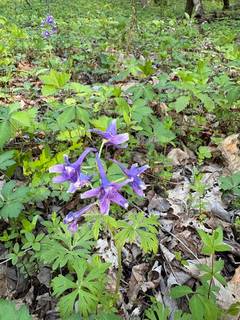
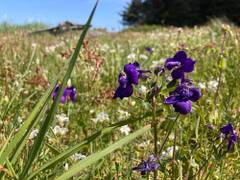
The genus Delphinium is native throughout the Northern Hemisphere, with species across North America, Europe, Asia, and the high mountains of tropical Africa. North American species include Delphinium menziesii (Menzies' larkspur), a Pacific Northwest native of rocky prairies and open slopes, and Delphinium trolliifolium, native to moist streamside habitats in the Willamette Valley and Columbia River Gorge. The large-flowered hybrid cultivars grown in gardens descend primarily from European and central Asian species.

Suggested Uses

Delphinium are classic back-of-border plants for cottage gardens, formal perennial borders, and cutting gardens. The tall blue spikes are a defining feature of the traditional English-style herbaceous border and pair well with roses, phlox, and dahlias for summer color. Pacific Northwest conditions are exceptionally well suited to tall hybrid delphiniums that struggle in hotter, drier climates. Native species such as Delphinium menziesii are suited to native plant gardens and dry meadow plantings in well-drained soils.

How to Identify

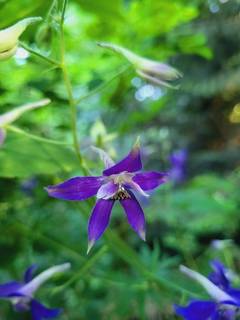
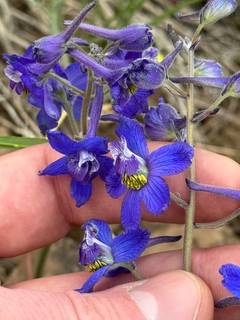
Delphinium species are identified by their deeply palmately lobed leaves with three to seven toothed, pointed lobes, and tall erect racemes of spurred flowers in blue, purple, pink, or white. Each flower has five petal-like sepals, the uppermost one extended into a prominent hollow spur at the rear, and two to four true petals (the eye) in the center, often of a contrasting color. Stems are hollow. The combination of deeply lobed leaves, hollow-stemmed habit, and tall spurred flower racemes is diagnostic for the genus.

Appearance

Size & Dimensions

Height1' - 6'
Width/Spread1' - 2'

Reaches mature size in approximately 2 years

Colors

Flower Colors

blue
purple
pink
white
yellow

Foliage Colors

green

Fall Foliage Colors

no change

Bloom Information

Bloom Period

~6 weeks
J
F
M
A
M
J
J
A
S
O
N
D
Summer
Perennial delphiniums bloom primarily in early to midsummer, typically June through July in Pacific Northwest gardens, producing their main flowering spike over three to five weeks. If cut back hard to the basal rosette after the first flush, plants often rebloom in late summer or early autumn (August–September) with a smaller secondary spike. Annual larkspur (Consolida) blooms from May through August depending on sowing date. Cool Pacific Northwest summers prolong bloom significantly compared to warmer climates.

Detailed Descriptions

Flower Description

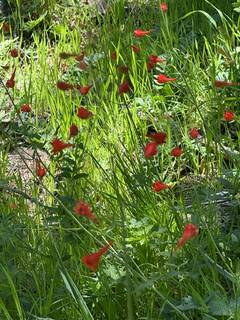
Blue, purple, pink, white, or yellow depending on species and cultivar

Foliage Description

Medium green, deeply palmately lobed

Growing Conditions

Sun Requirements

Full Sun
Requires 6-12 hours of direct sunlight daily
• Full Sun: 6+ hours of direct sunlight
• Partial Shade: 3-6 hours of direct sunlight
• Full Shade: Less than 3 hours of direct sunlight
Soil Requirements

pH Range6.0 - 7.5(Neutral)
357912
Soil Types
loamclay
Drainage
well drained

Water & Climate

Water Needs

Medium

Frost Tolerance

hardy

Time to Maturity

1–2 years

Care & Maintenance

Care Guide

Perennial delphiniums require deep, fertile, well-drained soil and full sun with protection from strong winds — tall spikes are susceptible to wind damage and require staking with individual canes or grow-through supports. Plant in spring and water regularly; the species requires consistent moisture but not waterlogged conditions. Apply a balanced fertilizer in early spring as growth emerges and again after the first flowering flush. Cut main spikes to the basal foliage after bloom to encourage reblooming. Divide congested clumps every three to four years in early spring. All parts are toxic — wear gloves when handling and keep away from livestock. Slugs are a significant pest on emerging shoots in the Pacific Northwest; protect with appropriate controls.

Pruning

After the main flowering spike finishes, cut the entire spent spike back to the basal foliage with clean cuts at the stem base; this encourages the formation of secondary flowering stems for late summer rebloom. In autumn, cut all stems back to ground level after the first hard frost. In early spring, thin emerging basal shoots to five to seven per plant to improve air circulation and flower spike quality. Remove and dispose of any blackened or mildew-affected foliage during the season.

Pruning Schedule

J
F
M
A
M
J
J
A
S
O
N
D
summerfall

Maintenance Level

high

⚠️ Toxicity Warning

Toxic to pets and humans