Image 1 of 12
1 / 12
Plant Reference
Delphinium, Genus, spp., Multiple species,
- Genus
- Multiple species
delphinium
North America, Europe, Asia, and Africa; meadows, open woodlands, and mountain slopes — over 300 species worldwide
Overview
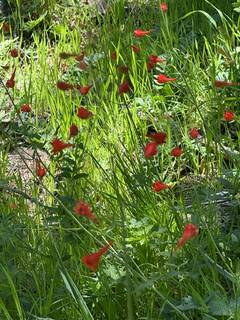
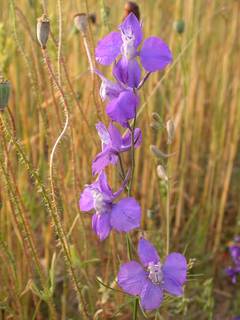
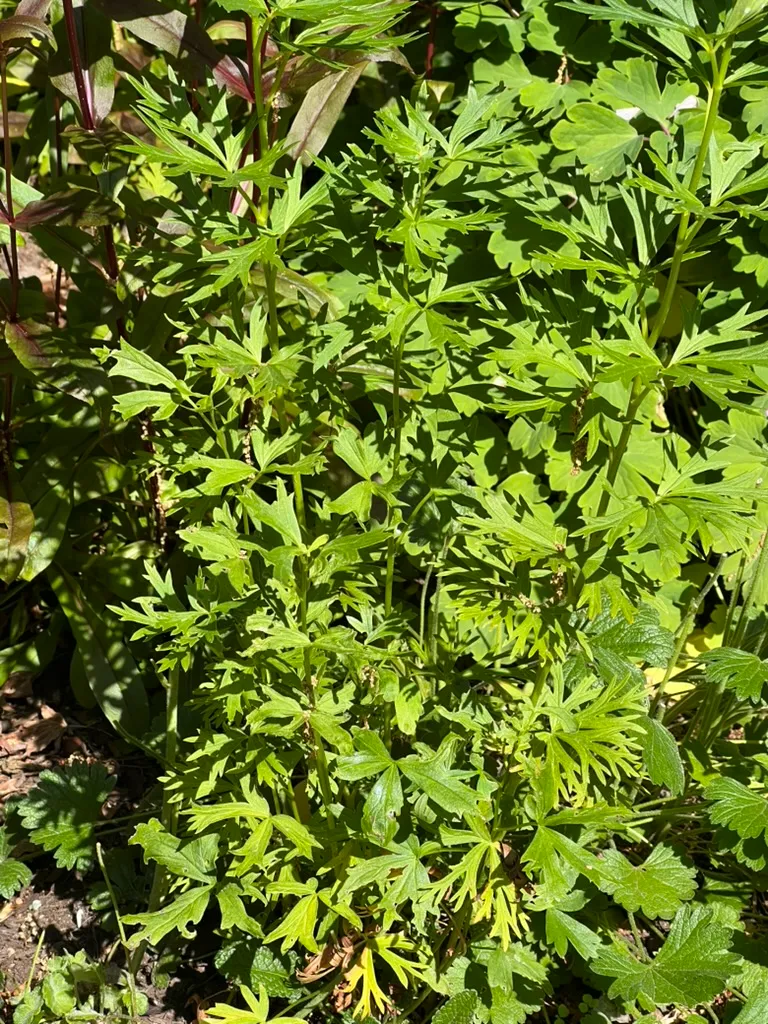
Delphinium spp. is delphinium (larkspur), an upright deciduous perennial growing 12-72 inches (30-180 cm) tall and 12-24 inches (30-60 cm) wide. Spurred flowers 1-2 inches (2.5-5 cm) in blue, purple, pink, white, or yellow in dense terminal racemes (spikes) 12-36 inches (30-90 cm) in June-August (6 weeks). Cut the main spike after flowering for a secondary flush in 4-6 weeks. Medium green deeply palmately lobed leaves. In Ranunculaceae. Over 300 species from North America, Europe, Asia, and Africa. Three main hybrid groups: Elatum (tallest, 4-6 feet / 1.2-1.8 m), Belladonna (3-4 feet / 0.9-1.2 m, looser), and Pacific Giant (4-6 feet / 1.2-1.8 m, short-lived 2-3 years). The tall flower spikes require staking — wind and rain snap unsupported stems. This staking requirement and the high maintenance are the primary limitations. Short-lived perennial — most cultivars decline after 3-5 years and need replacing. Slugs feed on the emerging spring growth. Crown rot in wet winter soil. All parts contain delphinine and other diterpene alkaloids — toxic to humans, livestock, and pets. Not drought-tolerant. Deer-resistant (toxicity). Zones 3-8. Full sun. Growth rate is fast.
Native Range
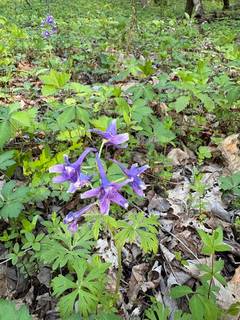
Over 300 species from North America, Europe, Asia, and Africa. Found in meadows, open woodlands, and mountain slopes.Suggested Uses
Grown in cottage gardens, mixed borders, and cutting gardens spaced 12-24 inches (30-60 cm). Tall back-of-border flower spikes. Requires staking. Short-lived — replace every 3-5 years. Toxic. Deer-resistant. Zones 3-8.How to Identify
Appearance
Size & Dimensions
Height1' - 6'
Width/Spread1' - 2'
Bloom Information
Early to midsummer (June-August). Spurred flowers 1-2 inches (2.5-5 cm) in dense terminal racemes 12-36 inches (30-90 cm). 6 weeks. Cut main spike for rebloom in 4-6 weeks. Bee-, butterfly-, and hummingbird-visited.
Detailed Descriptions
Flower Description
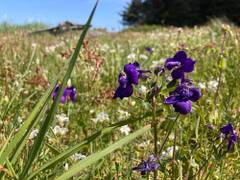
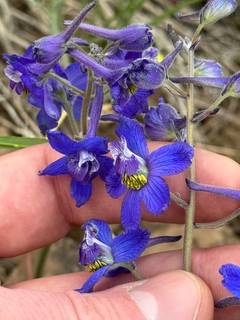
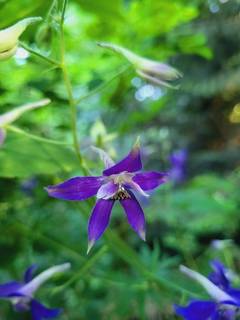
Blue, purple, pink, white, or yellow depending on species and cultivar; spurred, 1-2 inches (2.5-5 cm), in dense terminal racemes (spikes) 12-36 inches (30-90 cm) — the tall flower spires are the defining featureFoliage Description
Medium green, deeply palmately lobed with 3-7 pointed segments, 2-6 inches (5-15 cm) across; basal rosette plus stem leavesGrowing Conditions
Sun Requirements
Requires 6-12 hours of direct sunlight daily
• Full Sun: 6+ hours of direct sunlight
• Partial Shade: 3-6 hours of direct sunlight
• Full Shade: Less than 3 hours of direct sunlight
Care & Maintenance
Care Guide
Full sun (6+ hours). Well-drained soil pH 6.0-7.5. Not drought-tolerant. Stake tall cultivars at 12 inches (30 cm) and 24 inches (60 cm). Slugs on emerging spring growth. Crown rot in wet winter soil. Short-lived (3-5 years) — replace as needed. All parts toxic (diterpene alkaloids). Cut to ground in late fall. Deer-resistant. Zones 3-8.Pruning
Cut spent main flower spike back to a lateral stem for rebloom. Cut all stems to ground in late fall (November). Thin weak stems in spring to 3-5 strongest shoots per crown for full-sized spikes.Pruning Schedule
Prune: July & November
summerfall