Corylopsis, Genus, sinensis, Species,
- Genus & species
Chinese winter hazel
Central and southern China (mountain forests and thickets from 3,000 to 7,000 feet / 900 to 2,100 m; Hubei, Sichuan, and Yunnan provinces)
Overview
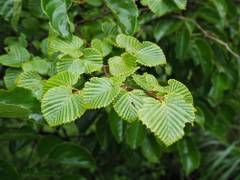
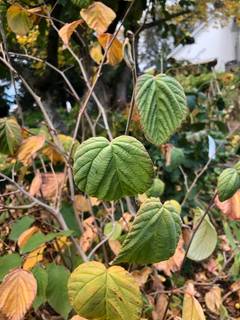
Corylopsis sinensis is a medium to large upright to vase-shaped deciduous shrub in the witch-hazel family (Hamamelidaceae) reaching 6–10 feet (1.8–3 m) tall with a spread of 5–8 feet (1.5–2.4 m). The plant carries pendulous racemes 2–3 inches (5–8 cm) long of 12–18 small fragrant lemon-yellow flowers in March–April before the leaves emerge. The racemes are longer and carry more flowers per raceme than those of C. glabrescens, which produces a denser flower display per branch despite the smaller overall plant size. Leaves are broadly ovate 2–4 inches (5–10 cm) long, medium green with a slightly rough texture, emerging after flowering. The species is variable in the wild and includes several botanical varieties. Fall color is typically yellow to yellowish-green. Growth rate is moderate. The mature silhouette is more upright and narrower than the broadly-spreading C. glabrescens, which makes this species better-suited to narrower planting positions. Hardy to zone 6, which is less cold-hardy than C. glabrescens. The March–April bloom is susceptible to late-frost damage that eliminates the flower display. Native to central and southern China.
Native Range
Corylopsis sinensis is native to central and southern China, where it occurs in mountain forests and thickets from 3,000 to 7,000 feet (900–2,100 m) across provinces including Hubei, Sichuan, and Yunnan.Suggested Uses
Grown as a specimen in woodland gardens, shaded borders, and understory plantings at 5–7 foot (1.5–2.1 m) spacing. The longer racemes produce a denser flower display than C. glabrescens, and the more upright narrower habit fits narrower planting sites where C. glabrescens would overgrow the space within 10–15 years. Woodland-edge positions and Asian-inspired garden styles align with the natural habitat and growth habit. Pairing with early bulbs (Narcissus, Crocus) and Helleborus species builds a coordinated March–April display. West- or north-facing sheltered positions hold flower displays through the late-frost risk period more reliably than east-facing open positions. Hot dry planting sites, exposed windy positions, and planting zones colder than 6 are not suitable given the heat and cold limits of this species.How to Identify
Appearance
Size & Dimensions
Height6' - 10'
Width/Spread5' - 8'
Bloom Information
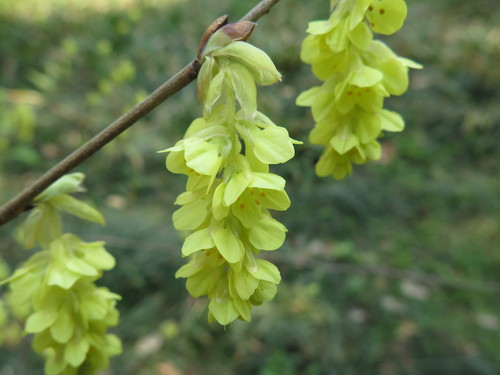
Pendulous racemes 2–3 inches (5–8 cm) long of 12–18 small fragrant lemon-yellow flowers open in March–April before the leaves emerge. Bloom duration is 2–3 weeks. Fragrance is light and sweet. The longer racemes carry more flowers per branch than C. glabrescens and produce a visibly denser flower display. Late frosts at bloom time damage the flowers and eliminate the display for the remaining window.
Detailed Descriptions
Flower Description
Lemon-yellow; pendulous racemes 2-3 inches long of 12-18 small fragrant flowersFoliage Description
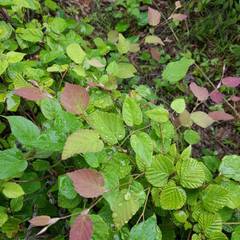
Medium green, broadly ovate 2-4 inches long with slightly rough textureGrowing Conditions
Sun Requirements
Requires 3-8 hours of direct sunlight daily
• Full Sun: 6+ hours of direct sunlight
• Partial Shade: 3-6 hours of direct sunlight
• Full Shade: Less than 3 hours of direct sunlight
Care & Maintenance
Care Guide
Grows in partial shade to full sun in moist well-drained acidic soil at pH 5.0–6.5 enriched with organic matter, tolerating loam. Hardy to zone 6, which is less cold-tolerant than C. glabrescens. Partial shade protects the early flowers from late-frost damage. Positions exposed to direct early-morning sun after an overnight frost allow rapid thawing that ruptures frost-damaged flower tissue, so west- or north-facing sheltered positions hold more bloom displays through the frost-risk period than east-facing open positions. Consistent moisture supports establishment. Zone 6 positions benefit from shelter against cold drying winter winds; marginal zone-6 exposed positions may experience flower-bud damage even on plants that otherwise survive the winter. No serious pest or disease problems.Pruning
Minimal pruning is required. Dead, crossing, or damaged branches are removed after flowering in late spring (May). The natural upright form develops without structural intervention. Flowering occurs on old wood; pruning in fall or winter removes developing flower buds and eliminates the following spring's display.Pruning Schedule
Prune: May
late spring