Corylopsis, Genus, pauciflora, Species,
- Genus & species
winter hazel, buttercup winter hazel
Japan (Honshu) and Taiwan; mountain forest understory
Overview
Corylopsis pauciflora is buttercup winter hazel (few-flowered winter hazel), a spreading deciduous shrub growing 4-6 feet (1.2-1.8 m) tall and 4-8 feet (1.2-2.4 m) wide with delicate layered branching. Primrose yellow bell-shaped flowers 0.5 inch (1.3 cm) in pendulous racemes of 2-3 flowers per cluster on bare branches in February-March — lightly fragrant. The smallest and most delicate Corylopsis species. Foliage emerges bronze-red in spring, matures to blue-green, turns soft yellow in fall. Rounded to ovate leaves 1.5-3 inches (4-7 cm) with heart-shaped base. In Hamamelidaceae (the witch hazel family). Native to Japan (Honshu) and Taiwan. The early flowers are vulnerable to late frosts — site in a sheltered location away from frost pockets. This frost vulnerability is the primary limitation in zones 6-7. Requires acidic soil (pH 4.5-6.5) — iron chlorosis in alkaline conditions. Not drought-tolerant. Slow-growing. Deer-resistant. Non-toxic. Zones 6-9. Part shade to full shade. Growth rate is slow.
Native Range
Native to Japan (Honshu) and Taiwan. Found in mountain forest understory.Suggested Uses
Grown as a specimen shrub in sheltered woodland gardens, shade borders, and near entryways where the early fragrant bloom can be observed, spaced 4-8 feet (1.2-2.4 m). Late winter bloom. Lightly fragrant. Requires sheltered site (frost protection). Deer-resistant. Non-toxic. Zones 6-9.How to Identify
Appearance
Size & Dimensions
Height4' - 6'
Width/Spread4' - 8'
Bloom Information
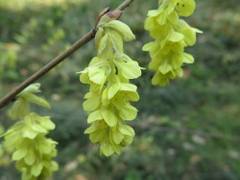
Late winter to early spring (February-March). Primrose yellow bell-shaped flowers 0.5 inch (1.3 cm) in pendulous racemes of 2-3 flowers. Lightly fragrant. 3 weeks of bloom on bare branches. Bee-pollinated.
Detailed Descriptions
Flower Description
Primrose yellow, bell-shaped, 0.5 inch (1.3 cm), in pendulous racemes of 2-3 flowers per cluster — fewer flowers per raceme than other Corylopsis speciesFoliage Description
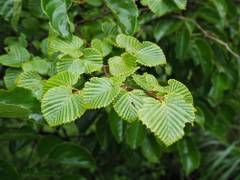
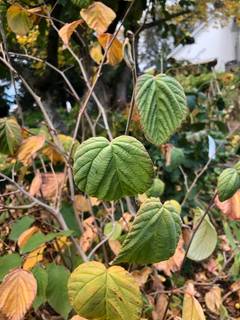
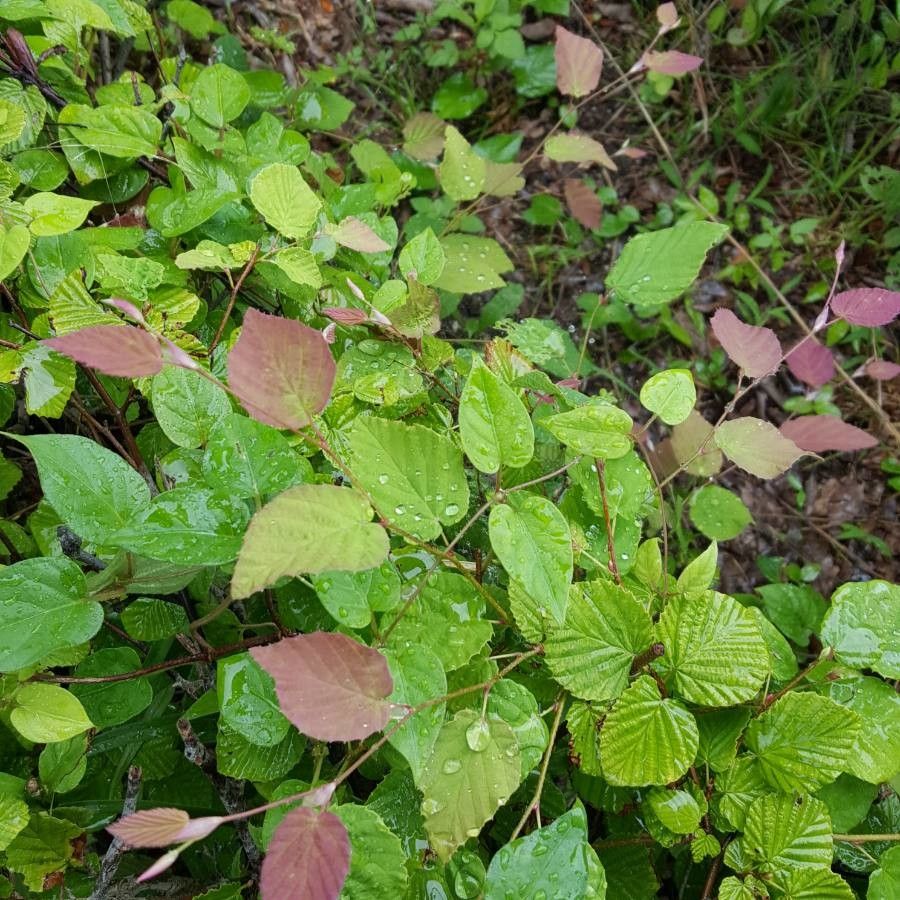
Emerges bronze-red in spring; matures to blue-green in summer, rounded to ovate, 1.5-3 inches (4-7 cm) long with heart-shaped base; turns soft yellow in fallGrowing Conditions
Sun Requirements
Requires 2-4 hours of direct sunlight daily
• Full Sun: 6+ hours of direct sunlight
• Partial Shade: 3-6 hours of direct sunlight
• Full Shade: Less than 3 hours of direct sunlight
Care & Maintenance
Care Guide
Part shade to full shade (2-4 hours). Moist acidic soil pH 4.5-6.5 — iron chlorosis in alkaline conditions. Site in a sheltered location to protect early flowers from late frosts. Not drought-tolerant. Blooms on old wood — prune lightly after flowering if needed. Deer-resistant. Non-toxic. Zones 6-9.Pruning
Prune lightly after flowering (March-April) if shaping is needed — blooms on old (previous season's) wood. The delicate layered spreading form is natural — minimal pruning required. Remove dead or crossing branches.Pruning Schedule
Prune: March–April
early spring