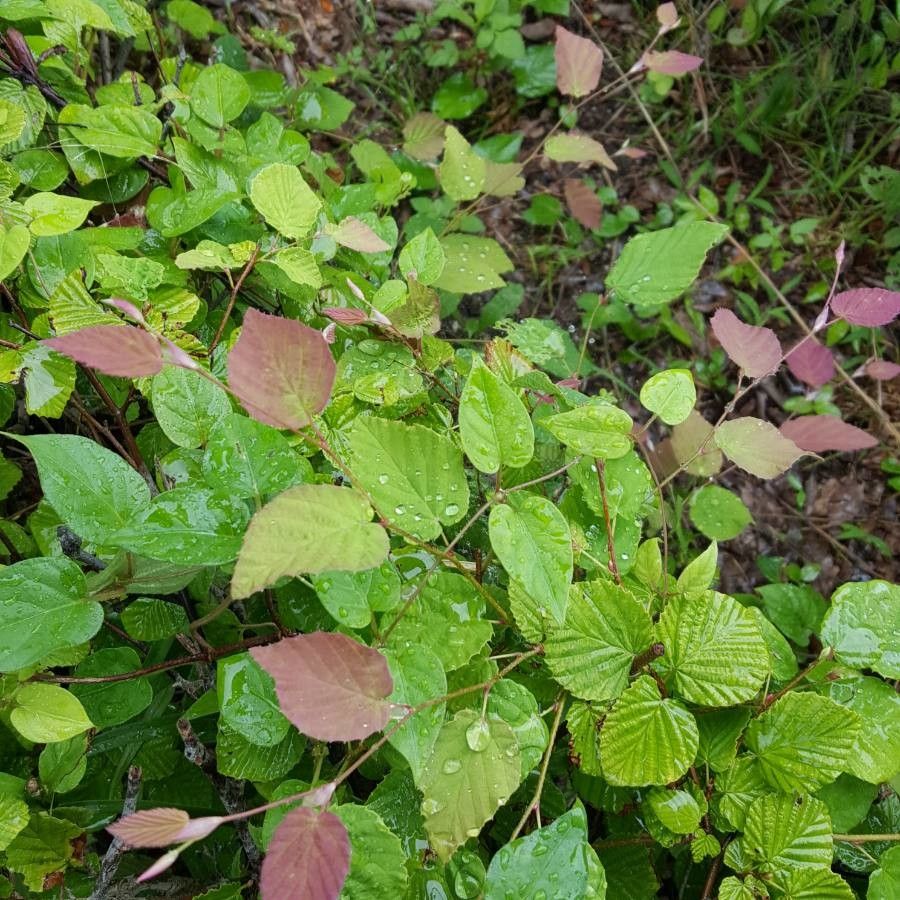
Corylopsis, Genus, spp., Multiple species,
- Genus
- Multiple species
winter hazel
Overview
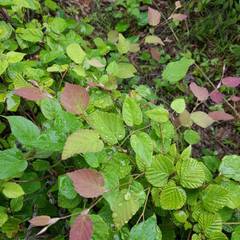
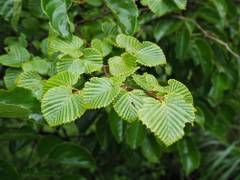
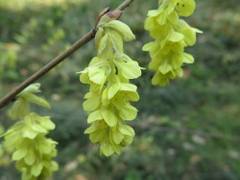
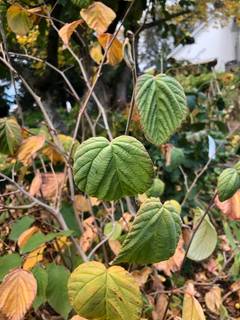
Corylopsis is a genus of deciduous shrubs and small trees in the witch-hazel family (Hamamelidaceae), with roughly 7 to 30 species recognised depending on the treatment, native to the woodlands of eastern Asia, including Japan, China, Korea, and the eastern Himalaya. The common name winter hazel refers to the hazel-like leaves and the very early flowering. Across the genus, plants range from 4 to 15 feet (1.2 to 4.5 m) tall and 6 to 15 feet (1.8 to 4.5 m) wide, with a broad, layered, spreading framework of arching branches. The rounded to oval leaves are 2 to 4 inches (5 to 10 cm) long with parallel veins and toothed margins, opening bronze-tinted and turning clear yellow in autumn. In early spring, before the leaves expand, drooping catkin-like racemes of pale yellow, lightly fragrant, bell-shaped flowers hang from the bare stems. Plants grow in moist, acidic, humus-rich soil in part shade or sun, sheltered from late frosts that can blacken the early flowers. They are slow-growing and dislike dry or alkaline ground.
Native Range
Native to the woodlands of eastern Asia, from the Himalaya through China, Korea, and Japan.Suggested Uses
Grown in woodland gardens, shrub borders, and at the edge of light shade, where the early flowers open before most other shrubs. Suited to acidic, moisture-retentive soils alongside rhododendrons and other woodlanders.How to Identify
Appearance
Size & Dimensions
Height4' - 15'
Width/Spread6' - 15'
Bloom Information
Flowering occurs in early spring, before the leaves emerge, usually March to April. Drooping racemes of pale yellow, lightly fragrant flowers hang from the bare branches. Late frosts can blacken the open flowers.
Detailed Descriptions
Foliage Description
Bronze-green turning yellowGrowing Conditions
Sun Requirements
Requires 3-6 hours of direct sunlight daily
• Full Sun: 6+ hours of direct sunlight
• Partial Shade: 3-6 hours of direct sunlight
• Full Shade: Less than 3 hours of direct sunlight
Care & Maintenance
Care Guide
Plants grow in part shade to full sun on moist, acidic, humus-rich soil with pH from 5.0 to 6.5. Water needs are medium, and the shrubs dislike dry or alkaline ground. Hardiness spans roughly USDA zones 5 to 8, though early flowers are vulnerable to spring frosts in exposed sites. Growth is slow, and plants form a broad framework over time. A mulch keeps the roots cool and moist.Pruning
Little pruning is needed beyond removing crossing or damaged wood after flowering. The natural layered shape is kept by minimal cutting. Any shaping is done soon after bloom, before next years buds form.Pruning Schedule
Prune: April–May
late spring