Coreopsis, Genus, major, Species,
- Genus & species
greater tickseed
Overview
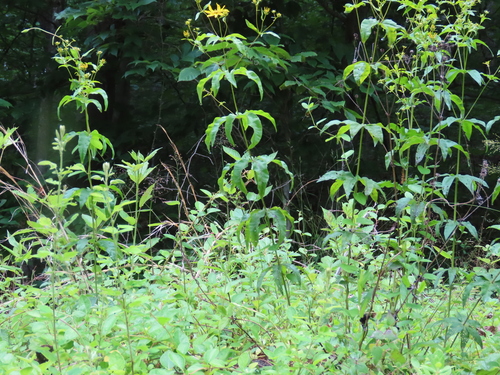
Coreopsis major is an upright herbaceous perennial reaching 24-36 inches (60-90 cm) tall and 12-24 inches (30-60 cm) wide, forming a clump of slender, unbranched to sparingly branched stems. The opposite leaves are each so deeply cut into three narrow lobes that the pairs appear as whorls of six leaflets around the stem. From early to midsummer the stems carry daisy-like flower heads 1-2 inches (2.5-5 cm) across, with about eight yellow rays around a yellow to reddish central disk. The seed is a small flat achene. It grows in dry, open woodland, pine flatwoods, sandy ridges, and roadside banks across the southeastern United States, on lean, acidic soils. The species tolerates heat and drought once established and spreads slowly by short rhizomes. It can flop in rich soil or shade and flowers most freely in full sun on poor ground.
Native Range
Coreopsis major is native to the southeastern United States, from Virginia and West Virginia south to Florida and west to Texas. It grows in dry open woods, pine flatwoods, sandy ridges, and roadsides on lean, acidic soils.Suggested Uses
Used in meadow and prairie plantings, native gardens, and the middle of sunny, dry borders. It suits lean, sandy sites and pairs with grasses and other dry-soil perennials. Spaced 12-18 inches (30-45 cm) apart in groups.How to Identify
Appearance
Size & Dimensions
Height2' - 3'
Width/Spread1' - 2'
Bloom Information
Flowering occurs in summer, mainly June through August. Heads open over several weeks at the stem tips. Removing spent heads can prompt a lighter second flush in late summer.
Detailed Descriptions
Foliage Description
greenGrowing Conditions
Sun Requirements
Requires 6-8 hours of direct sunlight daily
• Full Sun: 6+ hours of direct sunlight
• Partial Shade: 3-6 hours of direct sunlight
• Full Shade: Less than 3 hours of direct sunlight
Care & Maintenance
Care Guide
Grow in full sun to light shade in lean, sandy or rocky, well-drained soil. This species tolerates heat and drought once established and performs on poor, dry ground. Rich or moist soils produce tall, floppy stems and fewer flowers. No supplemental fertilizer is needed. It is hardy in USDA zones 5-9 and returns from the rootstock each spring. Crown rot can occur in heavy, wet soils over winter.Pruning
Deadhead spent flower heads through summer to extend bloom and limit self-sowing. Cut stems back to the basal foliage after flowering if they decline. Cut the clump to the ground in late fall or late winter.Pruning Schedule
Prune: July–August
summer
Container Growing
Suitable for container growing
Minimum container size: 2 gallons
Toxicity
Non-toxicRelated Coreopsis species
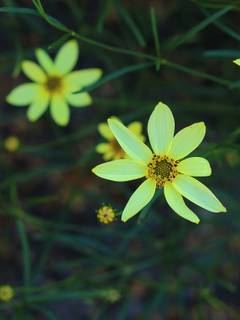 Moonbeam coreopsis, tickseedCoreopsis verticillata 'Moonbeam'
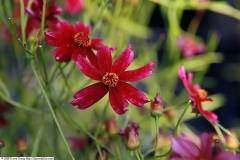 Limerock ruby coreopsisCoreopsis 'Limerock Ruby'
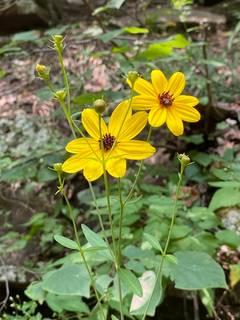 Tall coreopsisCoreopsis tripteris
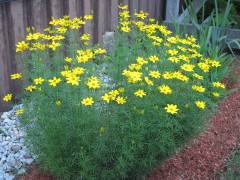 Large-flowered tickseedCoreopsis verticillata 'Grandiflora'
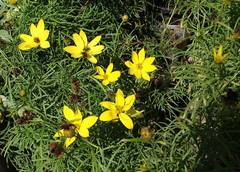 Zagreb coreopsisCoreopsis verticillata 'Zagreb'
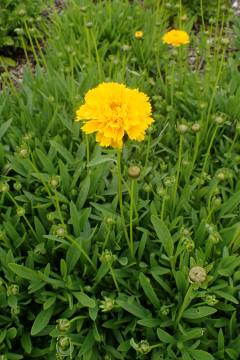 Early sunrise coreopsisCoreopsis grandiflora 'Early Sunrise'