Claytonia, Genus, parviflora, Species,
- Genus & species
streambank springbeauty
SunPart Shade – Full Shade
WaterMedium
Overview
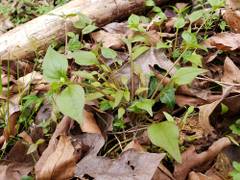
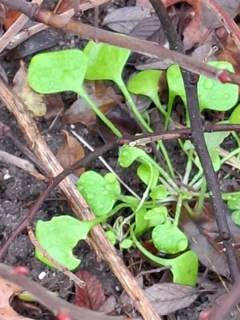
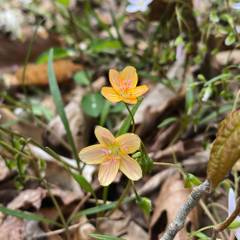
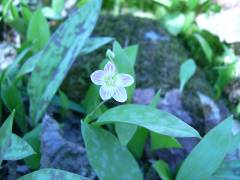
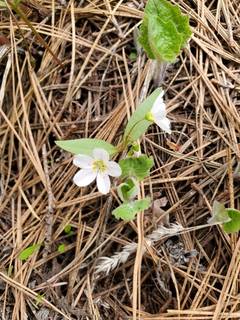
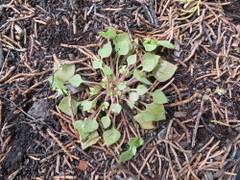
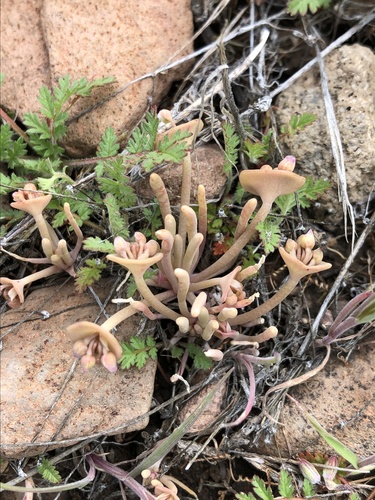
Claytonia parviflora is an annual herb 2-16 inches (5-40 cm) tall, growing as a low rosette of basal leaves that gives rise to several flowering stems. Basal leaves are linear to spoon-shaped, 1-4 inches (2.5-10 cm) long. Each flowering stem passes through a pair of fused, disk-like or open bracts that form a shallow cup just below the flower cluster. Flowers are small, about 0.2 inch (5 mm) across, white to pale pink with five petals, opening a few at a time from late winter into spring. The plant is succulent and tender, completing its life cycle in a single cool, moist season and dying as soils dry in late spring. Small black seeds drop near the parent and germinate with autumn and winter rains. Foliage and stems are edible raw or cooked. In hot or dry sites the rosette stays small and the bloom period is brief.
Native Range
Native to western North America from British Columbia south through California to Baja California and east to Arizona. Grows in shaded, moist places such as streambanks, rock crevices, slopes beneath shrubs, and recently burned or disturbed ground, mostly at low to middle elevations.Suggested Uses
Used in native plant gardens, woodland edges, and shaded rock gardens, and grown as a cool-season salad green. Self-sows to form patches in moist, shaded ground. The short spring life cycle leaves gaps once the plants die back in early summer.How to Identify
Appearance
Size & Dimensions
Height2" - 1'4"
Width/Spread2" - 6"
Bloom Information
Flowers open from February to May, earlier in low-elevation coastal sites and later inland and at higher elevations. A few flowers in each cluster open at a time over 4-6 weeks. Plants flower briefly and set seed quickly where the season is short or dry.
Detailed Descriptions
Flower Description
White to pale pinkFoliage Description
Green, sometimes reddishGrowing Conditions
Sun Requirements
Requires 2-5 hours of direct sunlight daily
• Full Sun: 6+ hours of direct sunlight
• Partial Shade: 3-6 hours of direct sunlight
• Full Shade: Less than 3 hours of direct sunlight
Water & Climate
Water Needs
Care & Maintenance
Care Guide
Grow in part shade in moist, loose, well-drained soil during the cool season. Sow seed in fall for germination with autumn and winter rains; the plant grows through winter and flowers in spring. Keep the soil moist while plants are in active growth, since the shallow roots and succulent leaves wilt rapidly when soil dries. No fertilizer is needed. The annual dies back as temperatures rise, leaving bare soil until the next germination. Self-sown seedlings return where soil stays undisturbed.Pruning
No pruning is needed for this annual. Spent plants can be pulled once they yellow and set seed. Leaving plants in place lets seed drop for the following season stand.Container Growing
Suitable for container growing
Minimum container size: 1 gallons
Toxicity
Non-toxicPlanting Guide
Planting Methods & Timing
Planting Method
direct sow
Direct Sow Timing
Fall, for germination with autumn and winter rains
Days to Maturity
60–120 days
Plant Spacing
4 inches