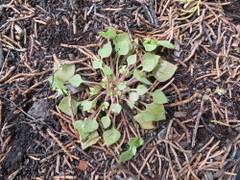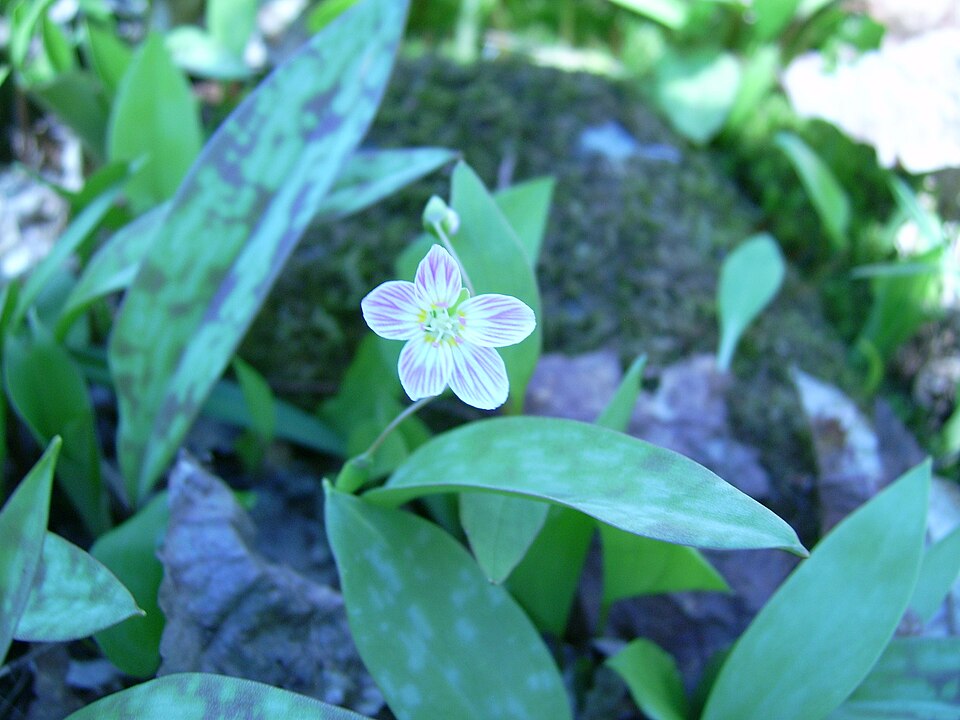
Claytonia, Genus, caroliniana, Species,
- Genus & species
Carolina springbeauty
Overview
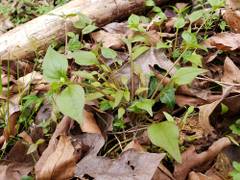
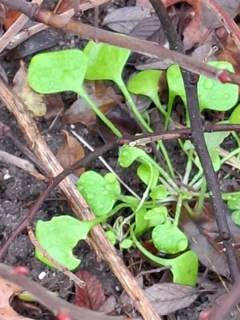
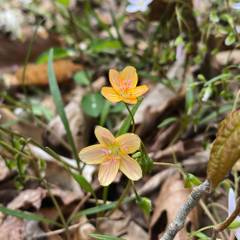
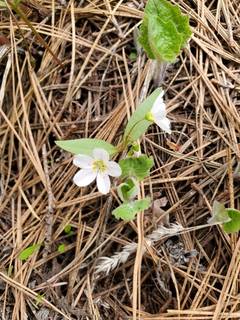
Claytonia caroliniana is a small spring-ephemeral perennial of eastern North America, growing 3-6 inches (8-15 cm) tall from a round underground corm. Each stem bears a single pair of broad, spoon-shaped leaves 1-3 inches (2.5-8 cm) long. Loose clusters of five-petaled flowers 0.5-0.75 inch (1.3-2 cm) wide open from March to May, white to pale pink with darker pink veins that guide insects to the nectar. The flowers open in sun and close at night and in cloudy weather. By early summer the foliage yellows and the plant retreats to its corm, leaving bare ground until the following spring. It grows in rich, moist deciduous woodlands and on shaded slopes, often in large colonies. The brief above-ground season and small size make it easy to overlook once dormant. The edible corms are small and slow to multiply.
Native Range
Native to eastern North America, from Quebec and Ontario south through the Appalachians to Georgia, in moist hardwood forests.Suggested Uses
Used in woodland gardens, shaded rock gardens, and naturalized under deciduous trees. It forms drifts of early color alongside other spring ephemerals. The plant pairs with ferns and sedges that fill space after it goes dormant.How to Identify
Appearance
Size & Dimensions
Height3" - 6"
Width/Spread3" - 6"
Bloom Information
Flowers open from March to May, a few at a time within each cluster. The white to pink petals carry darker pink veins and close in dull weather. Bloom continues for 3-4 weeks before the plant goes dormant.
Detailed Descriptions
Flower Description
white to pale pink with pink veinsFoliage Description
greenGrowing Conditions
Sun Requirements
Tolerates up to 4 hours of direct sunlight daily
• Full Sun: 6+ hours of direct sunlight
• Partial Shade: 3-6 hours of direct sunlight
• Full Shade: Less than 3 hours of direct sunlight