Clarkia, Genus, rhomboidea, Species,
- Genus & species
diamond clarkia
SunFull Sun – Part Shade
Overview
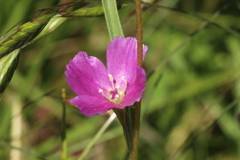
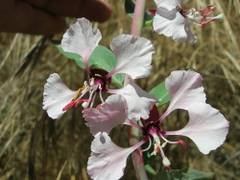
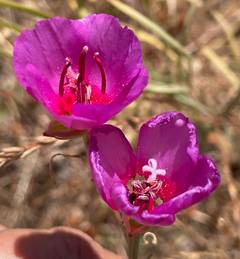
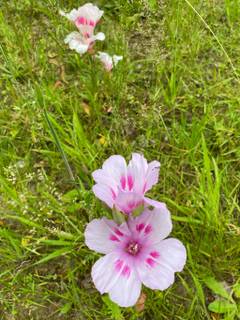
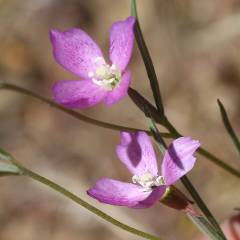
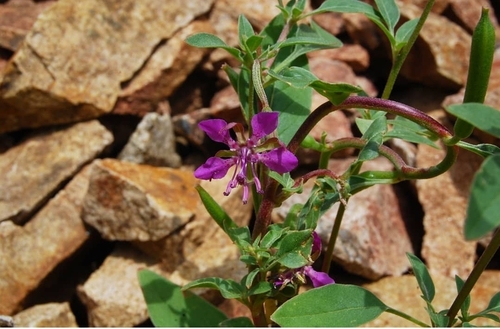
Clarkia rhomboidea is an annual wildflower in the evening primrose family, growing on slender, erect stems 8-32 inches (20-80 cm) tall. The stems carry scattered, narrow lance-shaped leaves 1-3 inches (2.5-7.5 cm) long, often with a reddish stalk. The flowers open along the upper stem, each with four pink to lavender-purple petals that are diamond-shaped (rhombic) and taper to a narrow base, usually 0.25-0.5 inch (6-12 mm) long, sometimes flecked with darker purple. Nodding buds straighten as they open. Bloom runs from late spring into summer. The species grows in dry open woodland, brushy slopes, and forest clearings across western North America, often appearing after the main spring flush as soils dry. As an annual it completes its life cycle in one season and renews from self-sown seed. Seeds form in slender capsules. The flowers are visited by native bees.
Native Range
Clarkia rhomboidea is native to western North America, from British Columbia south through Washington, Oregon, Idaho, and California to Arizona and Baja California. It grows in dry, open coniferous and oak woodland, brushy slopes, and clearings from foothills to mid mountain elevations.Suggested Uses
Used in wildflower meadows, native annual mixes, and dry woodland gardens within its range. It fills gaps in seed-sown plantings and reseeds on open ground. Cut stems are used in informal arrangements.How to Identify
Appearance
Size & Dimensions
Height8" - 2'8"
Width/Spread4" - 10"
Bloom Information
Detailed Descriptions
Flower Description
pink to lavender-purpleFoliage Description
greenGrowing Conditions
Sun Requirements
Requires 4-10 hours of direct sunlight daily
• Full Sun: 6+ hours of direct sunlight
• Partial Shade: 3-6 hours of direct sunlight
• Full Shade: Less than 3 hours of direct sunlight
Water & Climate
Water Needs
Drought Tolerance
Drought tolerant when established
Care & Maintenance
Care Guide
Grows in full sun to part shade with four or more hours of light. Average, well-drained soils suit it, and lean or rocky ground is tolerated, while rich, wet soil produces weak growth. Plants need moisture during spring growth and tolerate dry conditions as they flower and set seed. As an annual it is grown from seed sown in fall or early spring where it is to grow. Self-sown seedlings return in following years on open ground. No fertilizer is needed on average soils.Pruning
Pruning is not required on this annual. Spent plants can be pulled after seed set, though leaving some to drop seed maintains the planting. Cutting a few stems for the vase does not harm flowering.Container Growing
Suitable for container growing
Minimum container size: 2 gallons
Toxicity
Non-toxicPlanting Guide
Planting Methods & Timing
Planting Method
direct sow
Direct Sow Timing
Sow in fall or early spring where plants are to grow.
Days to Maturity
60–90 days
Plant Spacing
6 inches
Companion Planting
Good Companions