Clarkia, Genus, spp., Multiple species,
- Genus
- Multiple species
clarkias
Western North America, centered on California
Overview
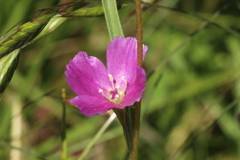
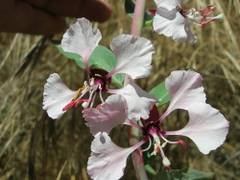
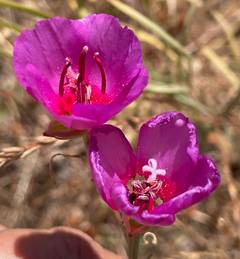
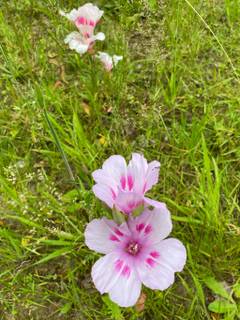
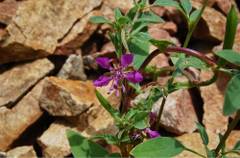
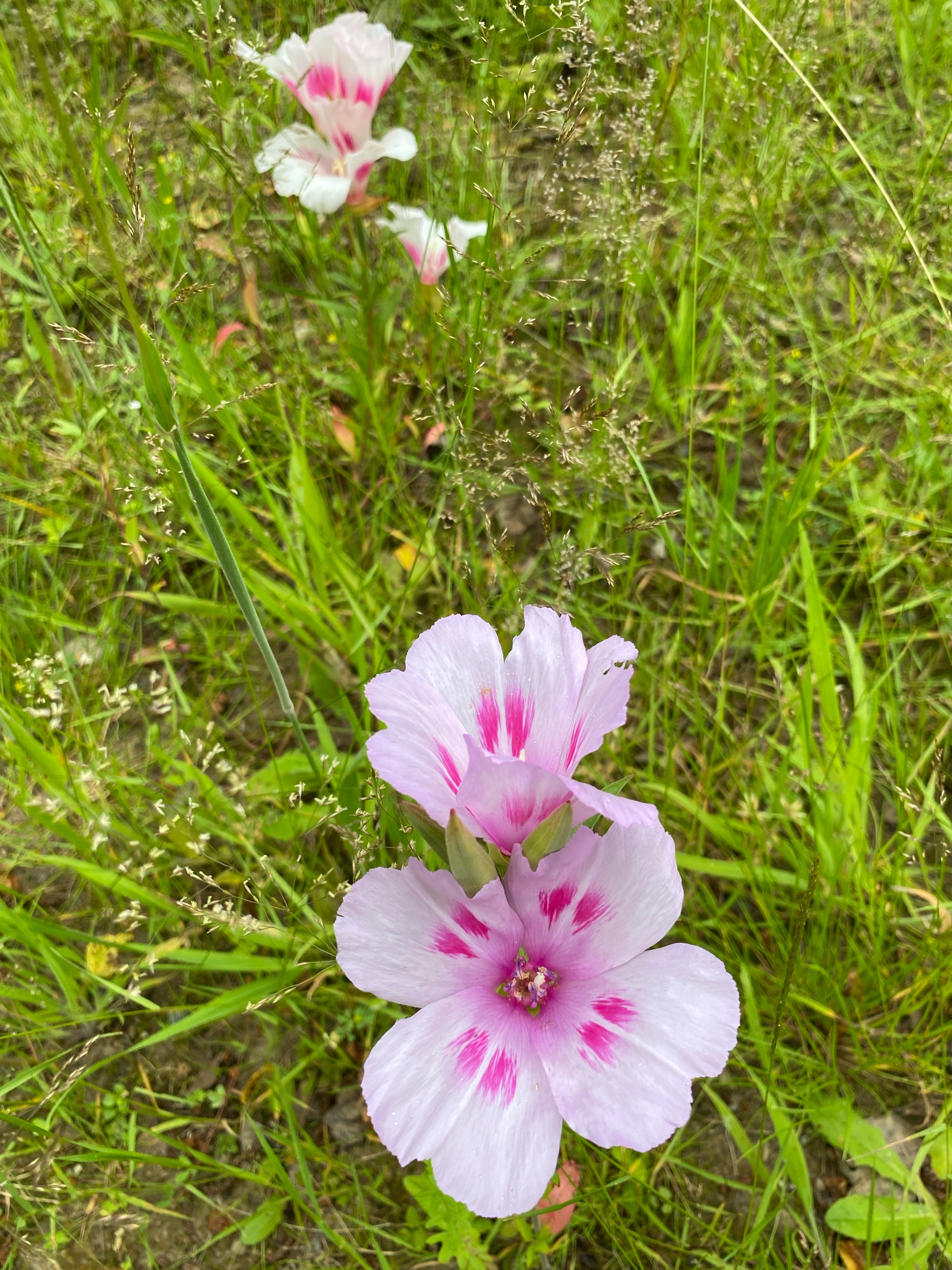
Clarkia is a genus of about 40 species of annual wildflowers in the evening primrose family (Onagraceae), native mainly to western North America and centered on California. The group includes the plants known as godetia and farewell-to-spring. Plants form slender, upright, often branching stems 12-36 inches (30-90 cm) tall with narrow leaves. The flowers are 1-3 inches (2.5-7.5 cm) across, with four broad, fan- or cup-shaped petals in pink, lavender, purple, salmon, red, or white, many marked with contrasting blotches or flecks at the petal base; some species have deeply lobed, pinwheel-shaped petals instead. Bloom comes in late spring and early summer as cool-season growth gives way to warmth, and it fades quickly once hot, dry weather sets in. Flowers open along the stem in succession, the buds nodding before they open. The flowers are visited by bees and other pollinators, and the seeds feed seed-eating birds. Because the plants are adapted to a winter-wet, summer-dry climate, they are short-lived in humid summers and grow as cool-season annuals sown in place.
Native Range
The genus is native to western North America, with its greatest diversity in California and neighboring states, extending north to British Columbia and south into Baja California. A few species occur in temperate South America. Plants grow on open slopes, grasslands, woodland edges, and disturbed ground.Suggested Uses
Clarkias are planted in annual borders, cottage gardens, wildflower meadows, and mixed seed plantings, sown in drifts and thinned to 8-12 inches (20-30 cm) apart. They are grown in pollinator and native plant gardens in the western United States and cut for arrangements, where the budded stems open over several days in water. Compact species are grown in containers in cool seasons.How to Identify
Appearance
Size & Dimensions
Height1' - 3'
Width/Spread6" - 1'
Bloom Information
Flowering runs from late spring into mid-summer, lasting four to six weeks in cool conditions and ending sooner where summers turn hot and dry early. Flowers open in sequence up the stem, so a plant carries open blooms, buds, and forming pods at once. Bloom is heaviest in the cool of late spring.
Detailed Descriptions
Flower Description
pink, lavender, purple, salmon, red, or whiteFoliage Description
green to gray-greenGrowing Conditions
Sun Requirements
Requires 6-10 hours of direct sunlight daily
• Full Sun: 6+ hours of direct sunlight
• Partial Shade: 3-6 hours of direct sunlight
• Full Shade: Less than 3 hours of direct sunlight
Water & Climate
Water Needs
Care & Maintenance
Care Guide
Clarkia species grow in full sun in light, well-drained, low-fertility soil with a pH of 6.0-7.0 and do poorly in rich, wet, or heavy ground. They grow as cool-season annuals, sown in place in autumn in mild-winter regions or in early spring elsewhere, and resent transplanting because of a slender taproot. Even, modest moisture during growth supports bloom, but soggy soil and high summer heat cut their life short. Rich soil produces leafy plants with few flowers, so feeding is kept light. Downy mildew, rust, and root rot occur in damp, crowded conditions. Plants self-sow where the seed capsules are left to ripen and scatter.Pruning
As annuals, clarkias need no structural pruning. Removing faded flowers and developing seed pods extends bloom and limits self-sowing, while leaving some pods to ripen yields seed for the following year. Plants are pulled once flowering ends in summer.Container Growing
Suitable for container growing
Minimum container size: 2 gallons
Toxicity
Non-toxicPlanting Guide
Planting Methods & Timing
Planting Method
direct sow
Direct Sow Timing
Autumn in mild-winter regions, or early spring elsewhere; sow in place as seedlings dislike transplanting
Days to Maturity
65–90 days
Plant Spacing
10 inches