Image 1 of 15
1 / 15
Plant Reference
Cistus, Genus, ×, Hybrid, purpureus, Species,
- Genus & species
- Hybrid
orchid rockrose
Hybrid of garden origin — {C. ladanifer} (Iberian Peninsula) × {C. creticus} (eastern Mediterranean)
Overview
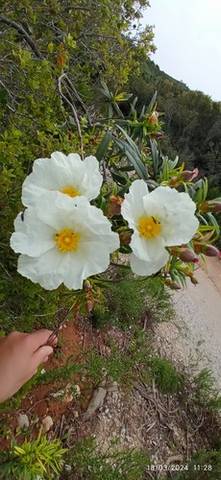
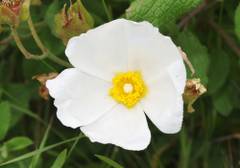
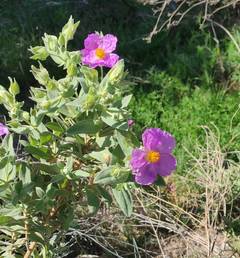
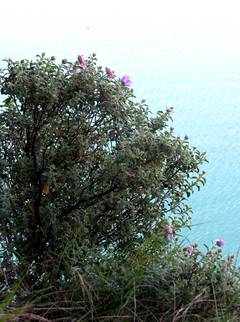
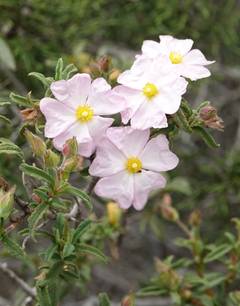
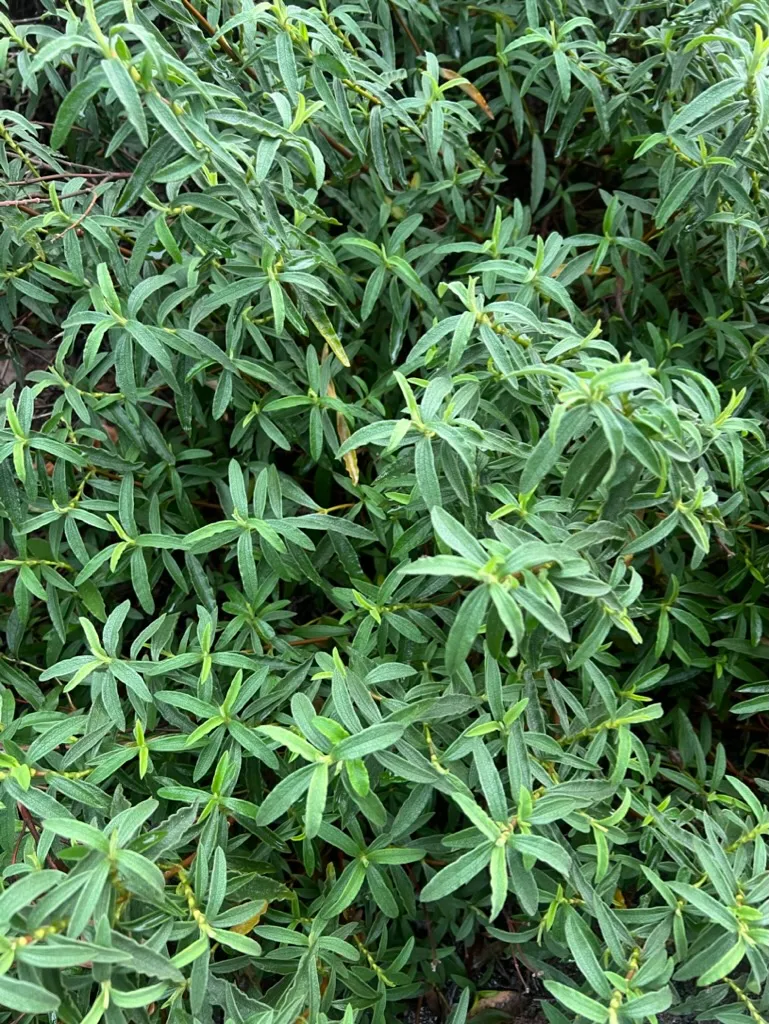
Cistus × purpureus is orchid rockrose (purple rockrose), a mounding evergreen shrub growing 3-5 feet (0.9-1.5 m) tall and 3-5 feet (0.9-1.5 m) wide. Rosy-purple to magenta-pink papery 5-petaled flowers 3 inches (7 cm) with dark maroon-red basal blotches and yellow stamen center in May-July (8 weeks). Each flower lasts one day — new flowers open each morning. Sage-green to gray-green rugose leaves 1.5-3 inches (4-7 cm). In Cistaceae. Purpureus = purple. A hybrid: C. ladanifer × C. creticus. The rosy-purple flower color with maroon blotches combines traits from both parents. The 8-week bloom period is longer than most Cistus species. Short-lived (8-15 years) — this limited lifespan is the primary limitation. Do not prune into old bare wood. Do not irrigate in summer once established — root rot in wet summer conditions. Hardy to about 10°F (-12°C). Lightly fragrant foliage. Drought-tolerant. Deer-resistant. Non-toxic. Zones 7-10. Full sun. Growth rate is moderate.
Native Range
Hybrid of garden origin — C. ladanifer (Iberian Peninsula) × C. creticus (eastern Mediterranean).Suggested Uses
Grown in Mediterranean-climate gardens, dry borders, and on slopes, spaced 3-5 feet (0.9-1.5 m). Longest-blooming rockrose (8 weeks). Summer-dry. Sharp drainage. Non-toxic. Zones 7-10.How to Identify
Appearance
Size & Dimensions
Height3' - 5'
Width/Spread3' - 5'
Bloom Information
Detailed Descriptions
Flower Description
Rosy-purple to magenta-pink, 3 inches (7 cm), 5 papery crinkled petals with a dark maroon-red basal blotch on each petal; yellow stamen center; each flower lasts one dayFoliage Description
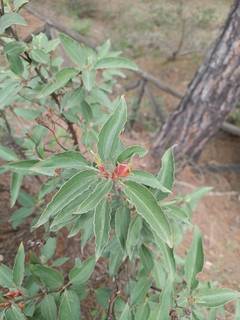
Sage-green to gray-green, ovate to lance-shaped, 1.5-3 inches (4-7 cm), with a rugose (wrinkled) surface; slightly aromatic; evergreen year-roundGrowing Conditions
Sun Requirements
Requires 6-8 hours of direct sunlight daily
• Full Sun: 6+ hours of direct sunlight
• Partial Shade: 3-6 hours of direct sunlight
• Full Shade: Less than 3 hours of direct sunlight
Care & Maintenance
Care Guide
Full sun (6-8 hours). Well-drained sandy or rocky soil pH 6.0-8.0. Do not irrigate in summer once established. Sharp drainage required. Do not prune into old bare wood. Short-lived (8-15 years). Lightly fragrant foliage. Non-toxic. Deer-resistant. Zones 7-10.Pruning
Prune lightly after bloom (July) to shape. Do not cut into old bare wood — does not regenerate. Remove dead branches only.Pruning Schedule
Prune: July
summer