Cistus, Genus, albidus, Species,
- Genus & species
white-leaved cistus
Western Mediterranean (Iberian Peninsula, southern France, Balearic Islands, Corsica, Sardinia, and North Africa from Morocco through Algeria and Tunisia); dry rocky calcareous slopes, garrigue, and maquis scrubland from sea level to approximately 4,000 feet (1,200 m).
Overview
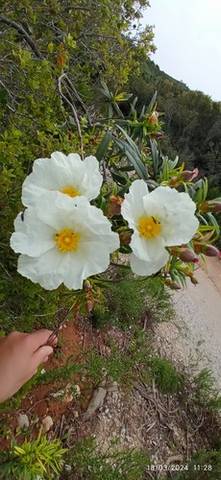
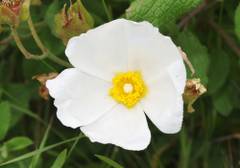
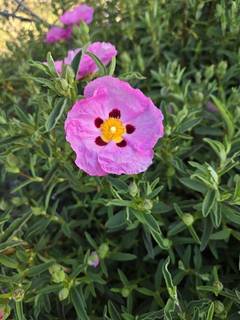
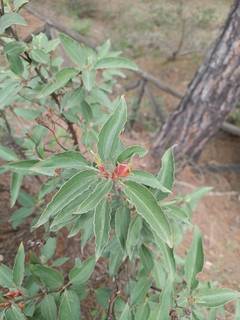
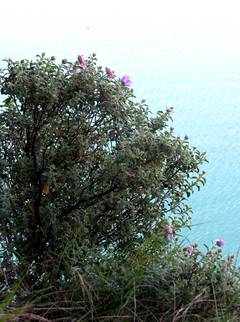
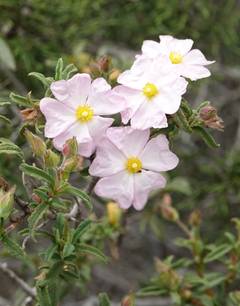
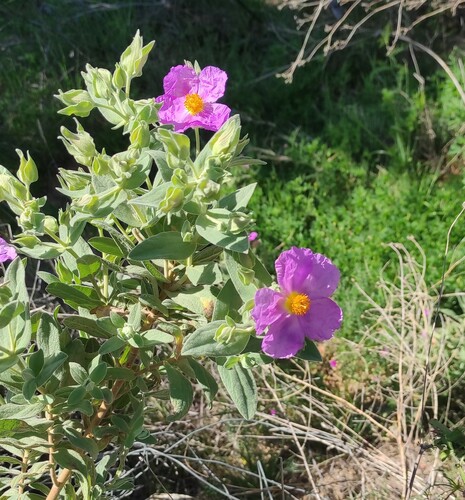
Cistus albidus is a compact evergreen shrub in the rockrose family (Cistaceae) reaching 3-5 feet (90-150 cm) tall and wide with a dense rounded mounding habit. Leaves are opposite, ovate to elliptic, 1.5-2.5 inches (4-6 cm) long, sessile (no petiole), thick-textured, and covered on both surfaces with dense white-grey stellate (star-shaped, branched) hairs that give the entire plant a pale ashy-grey appearance and gave the species its epithet albidus, Latin for whitish. Flowers are 2-2.5 inches (5-6 cm) across with five crinkled tissue-paper-textured petals in pink to pale lilac-pink and a yellow staminal boss at the center. Each flower lasts a single day: petals open in the morning and drop by evening, but new flowers open daily over a 4-6 week period from May through June, so a mature shrub may carry dozens of fresh flowers each morning during peak bloom. The single-day flower lifespan combined with the daily replacement is a Cistaceae family character (shared with Helianthemum and the other rockroses) tied to the genus reproductive strategy of high pollen production and self-incompatibility. The species is adapted to fire-prone Mediterranean garrigue and maquis habitats: seeds have hard impermeable coats that require heat scarification (typically from wildfire heat) for germination, and the aromatic resinous foliage is flammable and contributes to the fire-cycle ecology of the native habitat. The labdanum resin produced by glandular trichomes on the foliage releases a warm ambery scent on hot days and has a long historical record of use in perfumery (collected from Cistus species across the Mediterranean by herding goats through the shrubs and then combing the resin from the goats' hair). Drought tolerance, heat tolerance, alkaline soil tolerance, and coastal exposure tolerance follow from the Mediterranean origin. The species does not tolerate waterlogged soil, humid air, or temperatures below approximately 15°F (-9°C), which restricts cultivation in the Pacific Northwest to the warmest driest microsites with sharp drainage. Plants are short-lived for a shrub, declining after 8-12 years, and replacement is the standard renovation approach because the species does not regenerate from cuts into bare leafless wood.
Native Range
Cistus albidus is native to the western Mediterranean, with a range from Portugal and Spain through southern France, the Balearic Islands, Corsica, Sardinia, and into North Africa across Morocco, Algeria, and Tunisia. The species grows on dry rocky calcareous slopes, in garrigue and maquis scrubland, from sea level to approximately 4,000 feet (1,200 m). The fire-prone Mediterranean ecosystems of these regions have shaped the species seed germination biology, foliage chemistry, and short individual plant lifespan in a fire-recurrence cycle of approximately 10-30 years between burns.Suggested Uses
Used in Mediterranean-style gardens, gravel gardens, and dry banks at 3-4 foot (90-120 cm) spacing, where the drought-tolerant Mediterranean character matches the planting style. The species works as an informal low hedge in dry, well-drained sites, and coastal wind and salt-spray tolerance suit it to seaside plantings. Combinations with lavender, rosemary, Phlomis, Cistus × purpureus, and other Mediterranean shrubs build a drought-adapted shrub border. In the Pacific Northwest, cultivation is restricted to the driest, warmest microsites with alkaline well-drained soil, since the cool wet maritime climate reduces plant life relative to the Mediterranean home range.How to Identify
Appearance
Size & Dimensions
Height3' - 5'
Width/Spread3' - 5'
Bloom Information
Pink to pale lilac-pink five-petaled flowers 2-2.5 inches (5-6 cm) across open from May through June with peak bloom over 3-4 weeks. Each flower opens at sunrise and the petals drop by evening of the same day, but a mature shrub produces dozens of fresh flowers each morning during the peak of the bloom window, replacing the previous day's drop. Pollination is by bees and other insects visiting for pollen rather than nectar (the genus produces no nectar, and pollinator reward is from the abundant pollen on the yellow staminal boss). Seed capsules ripen by August.
Detailed Descriptions
Flower Description
Pink to pale lilac-pink with a yellow staminal boss at the center; tissue-paper-textured crinkled petals on five-petaled flowers 2-2.5 inches (5-6 cm) acrossFoliage Description
White-grey on both surfaces from a dense covering of stellate (star-shaped, branched) hairs that give the entire plant a pale ashy-grey appearance and gave the species its epithet albidus (Latin for whitish)Growing Conditions
Sun Requirements
Requires 6-12 hours of direct sunlight daily
• Full Sun: 6+ hours of direct sunlight
• Partial Shade: 3-6 hours of direct sunlight
• Full Shade: Less than 3 hours of direct sunlight
Care & Maintenance
Care Guide
Plant in full sun in sharply drained, lean, neutral to alkaline soil at pH 6.5-8.5, with spacing of 3-4 feet (90-120 cm) apart in mass plantings. Heavy soils are amended with coarse grit and gravel before planting because winter saturation kills the species rapidly. Fertilization is omitted: rich soil produces weak leggy growth and reduces flowering, and the species native garrigue habitat reflects an evolved preference for lean conditions. Watering is sparing after establishment, and summer irrigation is avoided because the species enters a partial summer drought-dormancy that consistent watering disrupts. Mulch is gravel or stone chips rather than organic material to avoid trapping moisture against the woody base. In the Pacific Northwest, planting on a south-facing slope, in a raised bed, or against a warm wall accumulates heat and improves drainage in the cool wet maritime climate; cold drying winter winds also stress the species and shelter from prevailing winds extends plant life. The species does not regenerate from cuts into bare leafless wood, so when plants decline after 8-12 years the standard approach is replacement rather than renovation pruning.Pruning
Prune lightly after flowering in late June by pinching or trimming new growth by one-third to maintain shape. Cuts into old leafless wood do not regenerate, so pruning stays above the green-leafed portion of each stem. Replacement of leggy or declining plants (typically after 8-12 years of age) replaces renovation pruning as the maintenance approach.Pruning Schedule
Prune: June–July
summer
Container Growing
Suitable for container growing
Minimum container size: 5 gallons