Chamaecyparis, Genus, spp., Multiple species,
- Genus
- Multiple species
false cypress
Overview
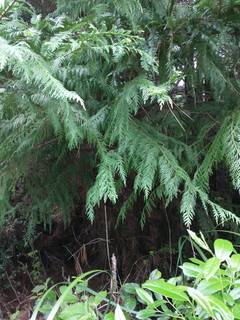
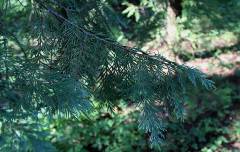
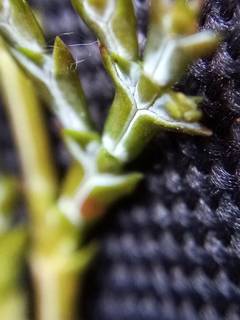
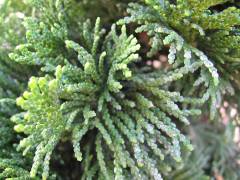
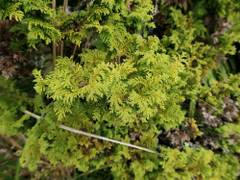
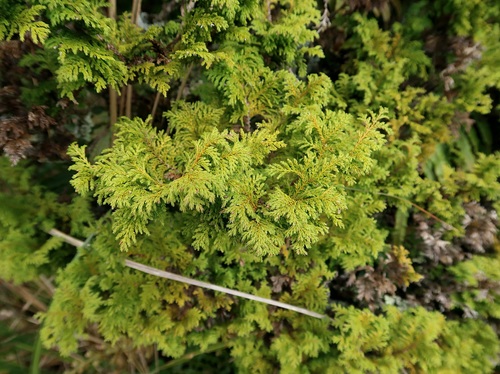
Chamaecyparis is a genus of evergreen coniferous trees in the cypress family, native to North America and East Asia. In the wild, species reach 65-200 feet (20-60 m) tall with a narrow, conical crown and a straight trunk, though the many garden cultivars range from full-size trees to dwarf shrubs under 3 feet (90 cm). The bark is reddish-brown and fibrous, peeling in vertical strips. Foliage is borne in flattened, fern-like sprays of small, scale-like leaves pressed to the twigs, dark green to blue-green or yellow in cultivars, often with white markings on the undersides. The genus is separated from true cypress (Cupressus) by these flattened sprays and by small cones 0.2-0.5 inch (5-12 mm) across that ripen in a single year, each scale bearing a central point. Male cones are small and often red or yellow before shedding pollen in spring. Plants are slow- to moderate-growing and long-lived, some wild trees exceeding 600 years. Most species need cool, moist air and acidic, well-drained soil, and they decline in hot, dry, or polluted conditions. Root rot from Phytophthora kills C. lawsoniana in poorly drained ground.
Native Range
The genus Chamaecyparis is native to North America and East Asia in two separated groups. C. lawsoniana and C. thyoides grow in the United States, on the Pacific Northwest coast and in eastern coastal wetlands respectively, while C. obtusa and C. pisifera are native to Japan and C. formosensis to Taiwan. Plants grow in cool, humid forests, coastal mountains, and bogs with reliable moisture.Suggested Uses
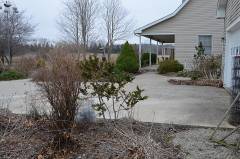
Grown as specimen trees, screens, and hedges, with dwarf cultivars used in rock gardens, foundation plantings, and containers, spaced according to mature size from 2 to 20 feet (0.6-6 m). Larger species are grown for timber and windbreaks in cool, humid regions. Colored and dwarf cultivars are grown in mixed conifer and foundation plantings.How to Identify
Appearance
Size & Dimensions
Height3' - 200'
Width/Spread3' - 25'
Reproduction
As a conifer, Chamaecyparis bears cones rather than flowers. Small male cones release pollen in spring, generally March through April, and the woody seed cones ripen by autumn of the same year. Pollen and cone production increase with tree age and full sun. The genus is grown for foliage and form rather than reproductive structures.
Detailed Descriptions
Foliage Description
dark green, blue-green, or yellow scale-like foliageGrowing Conditions
Sun Requirements
Requires 4-10 hours of direct sunlight daily
• Full Sun: 6+ hours of direct sunlight
• Partial Shade: 3-6 hours of direct sunlight
• Full Shade: Less than 3 hours of direct sunlight
Care & Maintenance
Care Guide
Grows in full sun to part shade in cool, moist, acidic, well-drained soil, with most species hardy in zones 5-8 and intolerant of hot, dry, or exposed sites. Young plants are watered through dry spells until established, as drought browns the foliage from the inside out. Shelter from drying wind preserves foliage color, while salt and air pollution cause dieback. Plants need little feeding in reasonable soil. Phytophthora root rot is a serious problem in heavy, wet ground, especially for C. lawsoniana, and bagworms and spider mites occur in heat. Established trees need little care beyond removal of dead growth.Pruning
Prune in late spring to early summer, cutting only into green, foliage-bearing growth, as branches cut back to bare old wood do not resprout. Light shaping and removal of dead or crossing branches maintain form. Dwarf and hedge cultivars tolerate regular trimming to shape. Reverted or dead shoots on variegated and dwarf forms are removed as they appear.Container Growing
Suitable for container growing
Minimum container size: 5 gallons