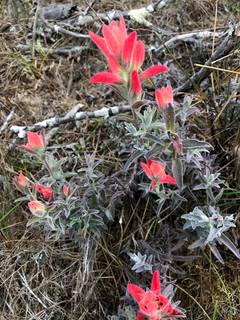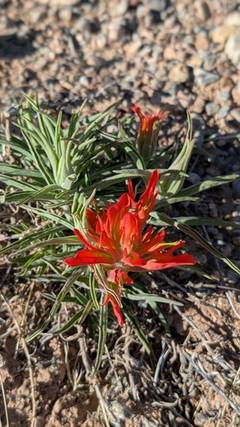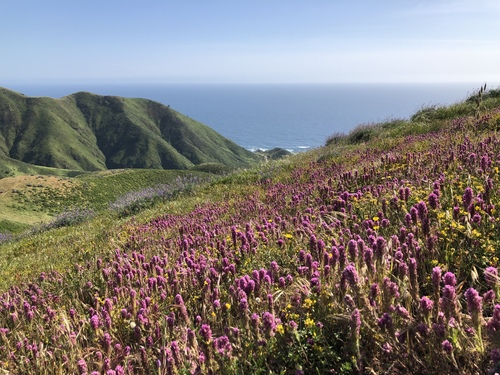
Castilleja, Genus, exserta, Species,
- Genus & species
purple owl's-clover
California and southwestern United States
Overview
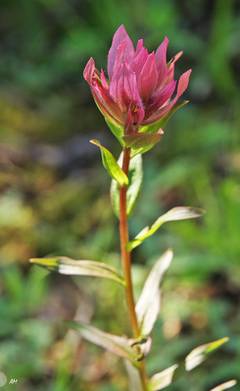
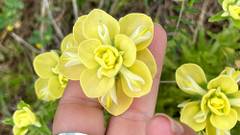
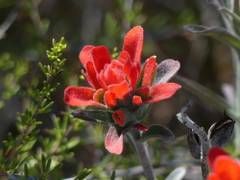
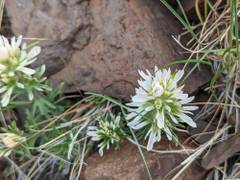
Castilleja exserta is a hemiparasitic annual wildflower growing 4-16 inches (10-40 cm) tall, with slender, often branched stems and narrow, finely divided leaves. Like other paintbrushes, its roots attach to the roots of neighboring grasses and herbs to draw water and nutrients, so it rarely persists without host plants nearby. From March to May it forms dense, soft-bristled spikes of rose-purple to magenta flowers, the color coming largely from the bracts and the protruding flower tips, which are often marked white or yellow. The plant germinates with cool-season rains in fall and winter, grows through the mild season, blooms in spring, sets seed, and dies by early summer. It is native to California and the southwestern United States, where it covers open grasslands, hillsides, and desert margins, often alongside California poppy and lupines in spring displays. Because it depends on host roots and a specific seasonal rhythm, it is difficult to cultivate in ordinary garden beds and is grown mainly from seed sown into existing grassland. Soils that stay wet through summer or lack host plants do not support it.
Native Range
Native to California and the southwestern United States, extending into Baja California and northwestern Mexico. It grows in open grasslands, coastal hills, valley floors, and desert margins below about 5,000 feet (1,500 m).Suggested Uses
Used in native wildflower meadows, grassland restorations, and seasonal spring plantings in Mediterranean and desert climates. It combines with California poppy, lupines, and bunchgrasses that can serve as hosts. It is not suited to containers, formal beds, or irrigated borders because of its parasitic habit and seasonal life cycle.How to Identify
Appearance
Size & Dimensions
Height4" - 1'4"
Width/Spread4" - 8"
Bloom Information
Blooms from March to May, with timing shifting earlier in warm deserts and later at higher elevations. The colorful spikes hold for several weeks, the show coming mostly from the bracts rather than the small tubular flowers. After seed sets in late spring the annual plant dries and dies as soils warm.
Detailed Descriptions
Flower Description
rose-purple to magenta with white or yellow tipsFoliage Description
greenGrowing Conditions
Sun Requirements
Requires 6-12 hours of direct sunlight daily
• Full Sun: 6+ hours of direct sunlight
• Partial Shade: 3-6 hours of direct sunlight
• Full Shade: Less than 3 hours of direct sunlight
Water & Climate
Water Needs
Care & Maintenance
Care Guide
Grows in full sun on well-drained sandy, loamy, or clay soils, germinating with cool-season rains from fall into winter. As a hemiparasite it needs living host grasses or herbs within reach of its roots and seldom survives in isolation. It is grown from seed scattered into existing grassland in fall rather than transplanted, since the young roots are easily damaged by disturbance. It tolerates lean, dry soils and needs no fertilizer, and rich soil can favor competing weeds over the wildflower. Seasonal moisture in fall and winter drives germination, while summer irrigation is unnecessary and can rot the plant. It completes its life cycle in one season and returns only from self-sown or resown seed.Pruning
No pruning is needed for this annual. Plants are left to set and drop seed before they dry out, which maintains the stand for the following year. Spent stems can be cleared once seed has dispersed.Toxicity: Not assessed
UnknownPlanting Guide
Planting Methods & Timing
Planting Method
direct sow
Direct Sow Timing
fall, with the onset of cool-season rains
Days to Maturity
150–210 days
Plant Spacing
4 inches
Companion Planting
Good Companions