Castilleja, Genus, indivisa, Species,
- Genus & species
Texas paintbrush
South-central United States (Texas and Oklahoma)
SunFull Sun
Overview
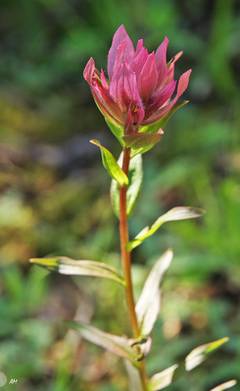
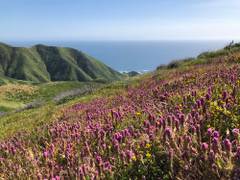
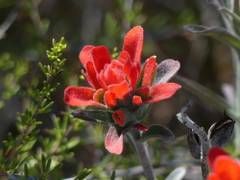
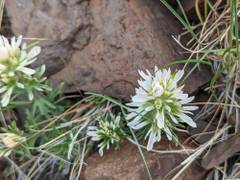
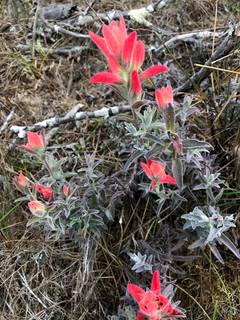
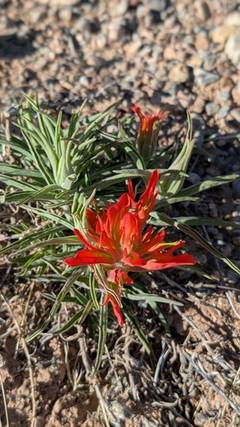
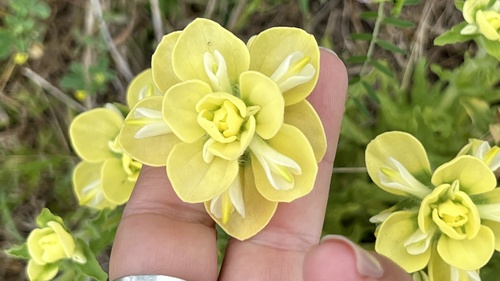
Castilleja indivisa is an annual wildflower of the broomrape family, growing 6-16 inches (15-40 cm) tall on usually unbranched, softly hairy stems. The narrow leaves are 1-3 inches (2.5-7.5 cm) long and mostly without lobes, unlike many paintbrushes. The color comes not from petals but from the upper bracts, which flush bright red to red-orange and surround small, mostly hidden greenish-yellow flowers in a dense spike at the stem tip. It blooms in spring, March to May, across roadsides, prairies, and open fields, often beside bluebonnets. Like other paintbrushes it is hemiparasitic, tapping the roots of grasses and other plants for water and nutrients while still making its own food, so it grows poorly on its own without host plants nearby. The plant completes its life cycle in a single season and dies after setting seed. It tolerates poor, sandy or gravelly soil and drought but needs full sun and suitable host plants to thrive.
Native Range
Native to Texas and Oklahoma in the south-central United States. It grows in prairies, open woodlands, pastures, and roadsides, often on sandy or loamy soils alongside spring wildflowers.Suggested Uses
Grown in wildflower meadows, prairie plantings, and naturalized roadside displays, sown among grasses and bluebonnets rather than set out as individual plants. It suits native and pollinator gardens on sunny, well-drained sites.How to Identify
Appearance
Size & Dimensions
Height6" - 1'4"
Width/Spread4" - 8"
Bloom Information
Blooms in spring, roughly March to May, with the red-orange bracts coloring up over several weeks. The small greenish-yellow true flowers sit hidden among the bracts. Flowering and seeding finish before the heat of summer.
Detailed Descriptions
Flower Description
red to red-orangeFoliage Description
greenGrowing Conditions
Sun Requirements
Requires 6-10 hours of direct sunlight daily
• Full Sun: 6+ hours of direct sunlight
• Partial Shade: 3-6 hours of direct sunlight
• Full Shade: Less than 3 hours of direct sunlight
Water & Climate
Water Needs
Drought Tolerance
Drought tolerant when established
Care & Maintenance
Care Guide
Grows in full sun on well-drained sandy, loamy, or gravelly soil at a pH of 6.0-7.5 and tolerates poor fertility and drought. As a hemiparasite, it grows well only when sown directly among grasses or other host plants whose roots it taps; it establishes poorly in bare, isolated soil. Seed is sown in fall on the soil surface, since it needs light and cool conditions to germinate. Rich soil, shade, and standing water reduce establishment. It needs no fertilizer and little or no water once spring rains arrive. Plants die after flowering, so reseeding maintains the stand.Pruning
No pruning is needed for this annual. Plants are left to set and drop seed to maintain the planting. Spent stems are cleared after the seed has dispersed.Toxicity: Not assessed
UnknownPlanting Guide
Planting Methods & Timing
Planting Method
direct sow
Direct Sow Timing
fall
Days to Maturity
150–210 days
Plant Spacing
6 inches