Castilleja, Genus, spp., Multiple species,
- Genus
- Multiple species
paintbrushes
Western North America (Alaska to Mexico), with species in Central and South America and northern Asia
Overview
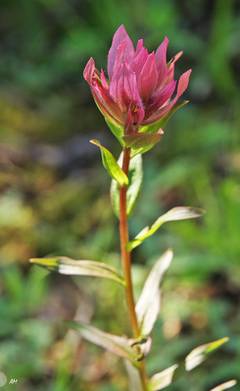
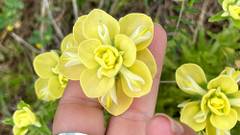
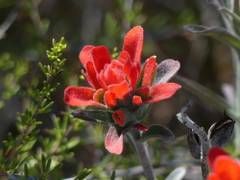
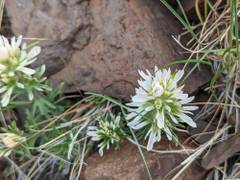
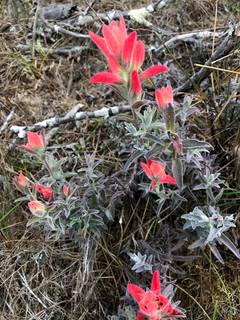
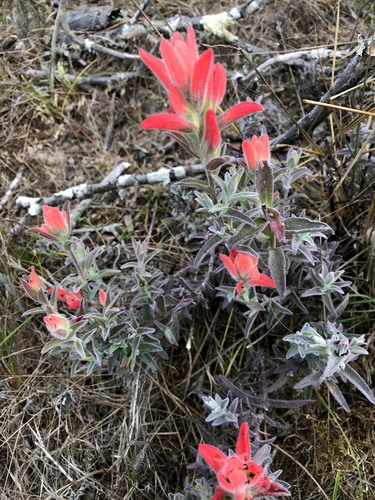
Castilleja is a genus of about 200 species of annual and perennial herbs in the Orobanchaceae family, known as the Indian paintbrushes and most diverse in western North America, with additional species in Central and South America and northern Asia. The bright color that gives the plants their name comes not from the flowers but from the upper leaves and bracts, which are tipped or washed in red, orange, yellow, or pink; the true flowers are narrow, greenish, and tucked among them. Plants grow as clumps of upright stems 6 to 36 inches (15 to 90 cm) tall with narrow, often lobed leaves. Most species are hemiparasites: their roots tap into the roots of neighboring grasses and other plants to draw water and nutrients, while still making their own food through green leaves. This partial parasitism makes paintbrushes hard to grow in gardens without a suitable host nearby. The flowers are a major nectar source for hummingbirds, which pollinate many species. Plants can take up selenium and other compounds from the soil and from their host plants, so the foliage may be poisonous where it grows on selenium-rich ground. Several species are rare or protected in the wild.
Native Range
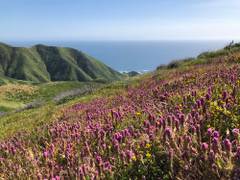
Castilleja is centered in western North America from Alaska to Mexico, with the greatest diversity in the mountains and grasslands of the western United States. Additional species occur in Central and South America and in northern Asia.Suggested Uses
Grown in native plant gardens, wildflower meadows, and rock gardens where a host grass shares the bed, and used in prairie and habitat restoration. The flowers draw hummingbirds and native bees. Bract color holds in cut stems for a short time.How to Identify
Appearance
Size & Dimensions
Height6" - 3'
Width/Spread6" - 1'6"
Bloom Information
Bloom runs from spring into summer, generally April to July, with timing shifting later at higher elevations and latitudes. The color comes from long-lasting bracts, so the display holds for many weeks even as individual flowers come and go. Hummingbirds visit the tube flowers throughout the bloom. Plants set small capsules of dust-like seed as flowering ends.
Detailed Descriptions
Flower Description
red, orange, yellow, and pinkFoliage Description
greenGrowing Conditions
Sun Requirements
Requires 6-12 hours of direct sunlight daily
• Full Sun: 6+ hours of direct sunlight
• Partial Shade: 3-6 hours of direct sunlight
• Full Shade: Less than 3 hours of direct sunlight