Carya, Genus, tomentosa, Species,
- Genus & species
mockernut
Overview
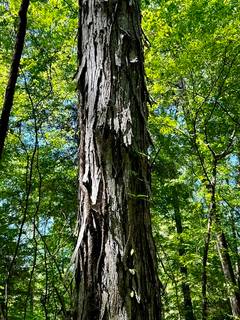
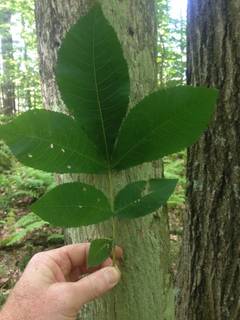
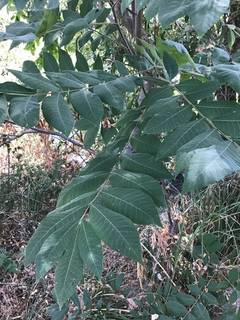
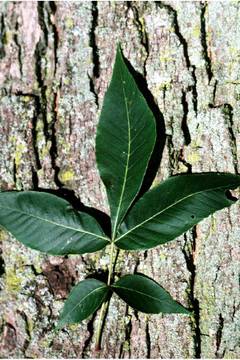
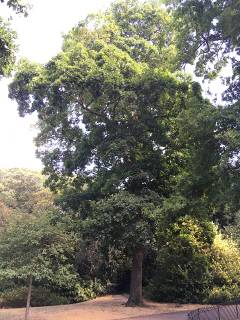
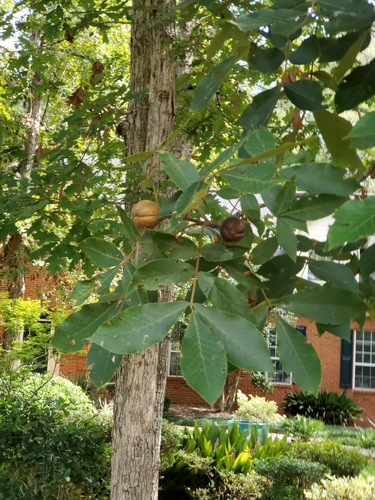
Carya tomentosa is a large deciduous tree in the walnut family, reaching 50-80 feet (15-24 m) tall and 30-40 feet (9-12 m) wide, with a straight trunk and a narrow, rounded crown. The gray bark is tight and furrowed into a network of shallow ridges. Pinnately compound leaves 8-14 inches (20-35 cm) long bear seven to nine leaflets that are dark green above and densely hairy beneath, releasing a resinous scent when crushed and turning golden yellow in fall. It is wind-pollinated, with drooping male catkins and small female flowers in spring. The round nuts are enclosed in a thick, four-ribbed husk 1.5-2 inches (4-5 cm) wide; the shell is very thick and the kernel small, which gives rise to the name mockernut. The tree grows on dry upland slopes, ridges, and well-drained bottomlands across the eastern United States. It develops a deep taproot, making established trees difficult to transplant and slow to settle in. The nuts feed squirrels, deer, and other wildlife, and the wood is hard and shock-resistant.
Native Range
Native to the eastern United States, from Massachusetts and southern Ontario south to Florida and west to Texas and eastern Kansas. It grows on dry upland slopes, ridges, and well-drained bottomlands in mixed hardwood forests.Suggested Uses
Grown as a long-lived shade tree on large properties and used in woodland restoration and wildlife plantings. The nuts feed squirrels, deer, turkey, and other wildlife, and the hard wood is used for tool handles and smoking wood.How to Identify
Appearance
Size & Dimensions
Height50' - 80'
Width/Spread30' - 40'
Bloom Information
Wind-pollinated flowers open in April and May as the leaves expand. Male flowers hang in slender greenish catkins, and small female flowers sit at the branch tips. Nuts ripen in fall and drop from September to October.
Detailed Descriptions
Foliage Description
greenGrowing Conditions
Sun Requirements
Requires 6-10 hours of direct sunlight daily
• Full Sun: 6+ hours of direct sunlight
• Partial Shade: 3-6 hours of direct sunlight
• Full Shade: Less than 3 hours of direct sunlight
Care & Maintenance
Care Guide
Grows in full sun to part shade on deep, well-drained upland or bottomland soils and tolerates dry, rocky ground once established. The deep taproot makes transplanting difficult, so young container or seedling stock settles in more reliably than larger trees. It grows slowly and is long-lived, needing no fertilizer on average forest soils. The tree casts dense shade and drops nuts and husks, which limits its use over lawns and paving. It tolerates a range of soil pH but not prolonged wet feet. Few serious pests trouble established trees.Pruning
Pruning in late winter removes dead, damaged, or crossing branches and develops a single straight leader in young trees. Mature hickories need little pruning, and large cuts heal slowly on the dense wood.Pruning Schedule
winter