Carya, Genus, spp., Multiple species,
- Genus
- Multiple species
hickories
Eastern North America (southern Canada to Mexico), with several species in East and South Asia
Overview
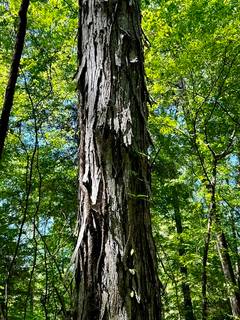
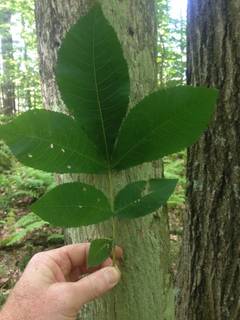
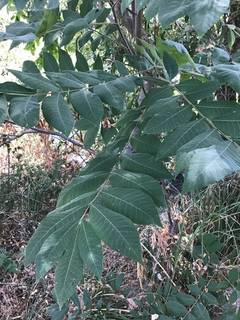
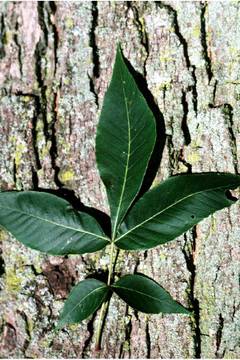
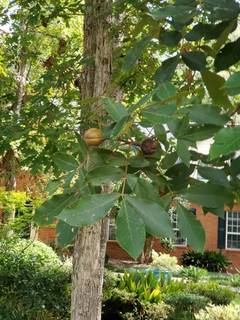
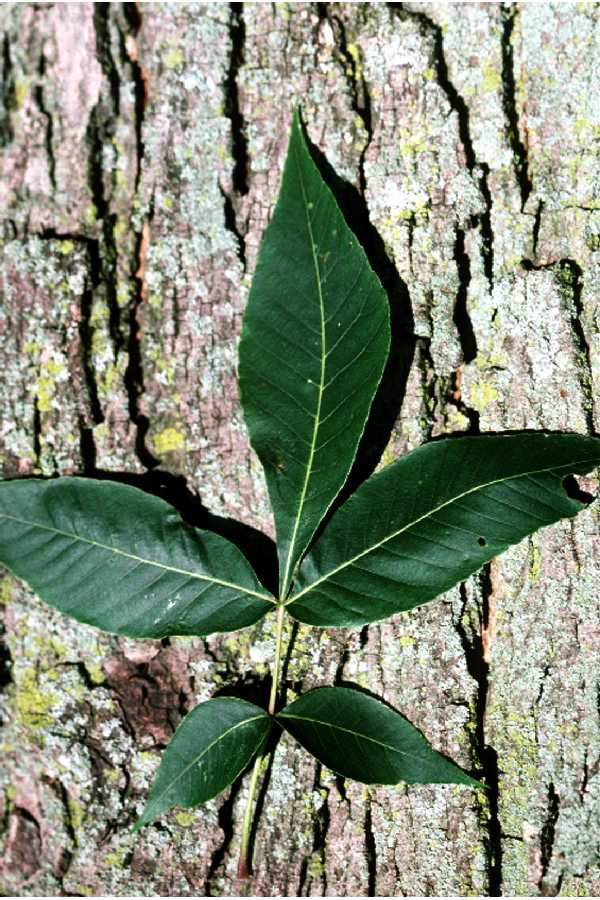
Carya is a genus of about 18 species of deciduous trees in the Juglandaceae family, with most species native to eastern North America and a few in East Asia. The genus includes the hickories and the pecan (C. illinoinensis), and several species are grown for edible nuts and hard, shock-resistant wood. Trees reach 50-130 feet (15-40 m) tall with a straight trunk and a high, rounded crown, and they develop a deep taproot that anchors the tree but makes transplanting difficult. Leaves are pinnately compound, 8-24 inches (20-60 cm) long, with 5-17 toothed leaflets that turn yellow to golden brown in fall. Male flowers hang in slender green catkins while small female flowers sit at the branch tips, both opening in spring as wind carries the pollen. The fruit is a nut enclosed in a husk that splits into four parts when ripe, dropping in autumn and creating litter beneath the canopy. Growth is slow, and seedlings may take 10-15 years to bear nuts. Carya roots release juglone, a compound that suppresses some neighboring plants. The large mature size and heavy nut drop limit the genus to spacious sites.
Native Range
Carya is native mainly to eastern North America, from southern Canada through the United States into Mexico, with about half a dozen species native to China, Indochina, and India.Suggested Uses
Grown as long-lived shade and nut trees in parks, large yards, and woodland edges. Pecan and shagbark hickory are cultivated in orchards for their edible nuts, and the wood is used for tool handles, flooring, and smoking food. The nuts feed squirrels, deer, turkeys, and other wildlife.How to Identify
Appearance
Size & Dimensions
Height50' - 130'
Width/Spread30' - 50'
Bloom Information
Flowering occurs in spring, generally April and May as the leaves expand. Male catkins droop in clusters of three and shed yellow-green pollen, while inconspicuous female flowers form at the tips of new shoots. The wind-pollinated flowers produce no nectar and little visual display. Nuts ripen and drop from September through November.
Detailed Descriptions
Flower Description
green to yellow-greenFoliage Description
greenGrowing Conditions
Sun Requirements
Requires 6-12 hours of direct sunlight daily
• Full Sun: 6+ hours of direct sunlight
• Partial Shade: 3-6 hours of direct sunlight
• Full Shade: Less than 3 hours of direct sunlight