Carya, Genus, cordiformis, Species,
- Genus & species
bitternut hickory
Overview
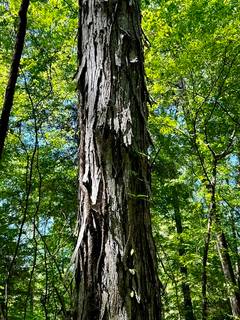
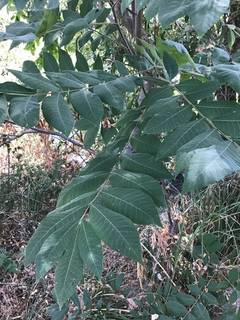
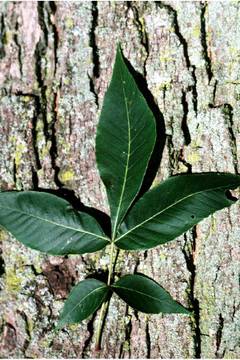
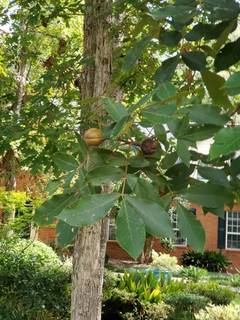
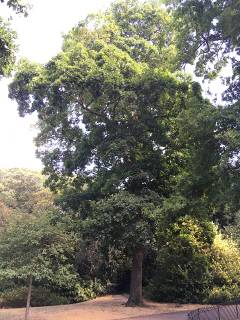
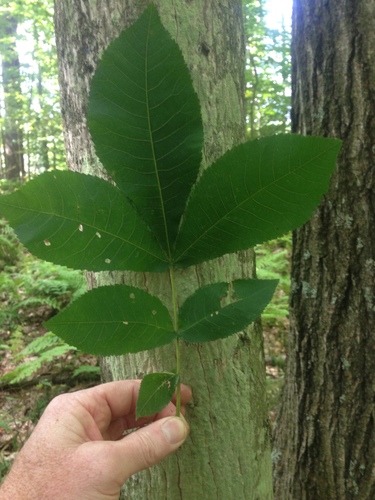
Carya cordiformis is a large deciduous tree of eastern North America, typically 50-80 feet (15-24 m) tall and occasionally reaching 100 feet (30 m), with a tall, straight trunk and a broad, rounded crown. The pinnately compound leaves are 6-10 inches (15-25 cm) long with 7-11 slender, toothed leaflets that turn yellow in autumn. Its most reliable feature is the naked winter buds, which are bright sulphur-yellow and covered in tiny scurfy scales. Grey bark develops shallow, interlacing ridges with age. The tree is wind-pollinated: drooping yellow-green male catkins and small female flowers open in spring as the leaves expand. Thin-husked nuts about 0.8-1.2 inches (2-3 cm) wide ripen in autumn; the kernel is extremely bitter and is not eaten by people, though wildlife takes some. The species grows in moist bottomlands, stream terraces, and rich slopes, and develops a deep taproot that makes large trees hard to transplant. Like other plants in the walnut family, its roots and litter release juglone, which can suppress sensitive plants growing beneath it.
Native Range
Native to eastern and central North America, from Quebec and Ontario south to the Gulf states and west to the eastern Great Plains.Suggested Uses
Used as a shade and canopy tree in large parks, naturalized woodlands, and bottomland restoration. Its nuts and foliage support wildlife, and its wood is used for tool handles and smoking. It is too large and litter-prone for small residential lots.How to Identify
Appearance
Size & Dimensions
Height50' - 80'
Width/Spread40' - 50'
Bloom Information
Yellow-green catkins and small female flowers open in April and May as the new leaves expand. Pollination is by wind. Flowering lasts about one to two weeks and is easy to overlook.
Detailed Descriptions
Foliage Description
medium green, yellow in autumnGrowing Conditions
Sun Requirements
Requires 6-10 hours of direct sunlight daily
• Full Sun: 6+ hours of direct sunlight
• Partial Shade: 3-6 hours of direct sunlight
• Full Shade: Less than 3 hours of direct sunlight